



 Call For Appointment
Preventing Injuries With Proper Physical Care
Injury prevention physiotherapy Georgetown plays a crucial role in helping individuals reduce the risk of injuries and maintain long-term mobility. Injuries often develop due to poor movement habits, muscle imbalances, and repeated physical stress. Therefore, proper physiotherapy care helps improve strength, flexibility, and safe movement patterns.
Preventative care is important not only for athletes but also for individuals with physically demanding jobs, sedentary lifestyles, or age-related mobility changes. As a result, early physiotherapy intervention can significantly reduce the chances of future injuries.
How Physical Care Helps Prevent Injuries
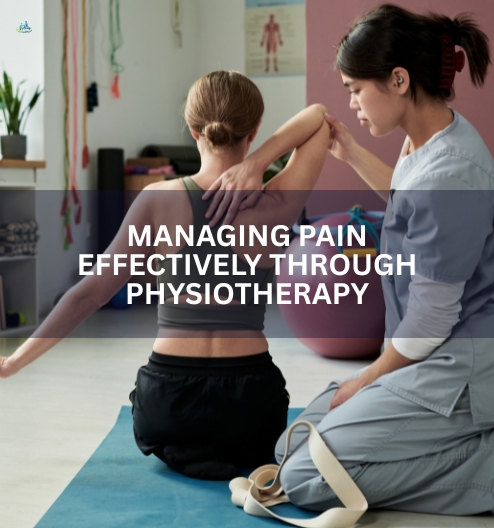
Proper physical care focuses on correcting movement patterns that place stress on the body. Physiotherapy improves posture, joint mobility, muscle strength, and balance.
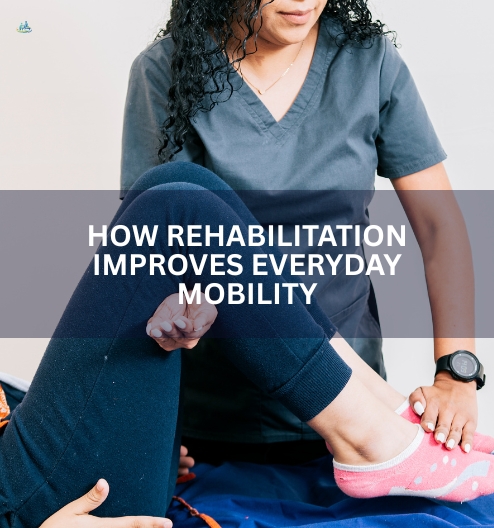
For example, muscle weakness or poor coordination can lead to joint strain and overuse injuries. Therefore, guided exercises and rehabilitation help the body move efficiently and safely.
As a result, the risk of back pain, neck pain, muscle strain, and joint injuries is reduced. In addition, physiotherapy improves body awareness and helps detect early signs of discomfort.
The Role of Education and Preventative Rehabilitation
Education plays an important role in injury prevention. Physiotherapy teaches safe movement techniques during daily activities such as lifting, sitting, and exercising.
Furthermore, proper posture and movement reduce stress on muscles and joints. Preventative rehabilitation also helps maintain mobility with age.
Balance training, flexibility exercises, and strength conditioning improve stability and reduce fall risk. Consequently, individuals can maintain independence and physical confidence.
Injury Prevention Physiotherapy in Georgetown for Long-Term Health
For individuals searching for injury prevention physiotherapy Georgetown, personalized care supports long-term physical health and active living.
Physiotherapy helps identify small issues early and correct movement patterns before they lead to injuries. With consistent care, individuals can stay active, reduce injury risk, and improve overall quality of life.