



 Call For Appointment
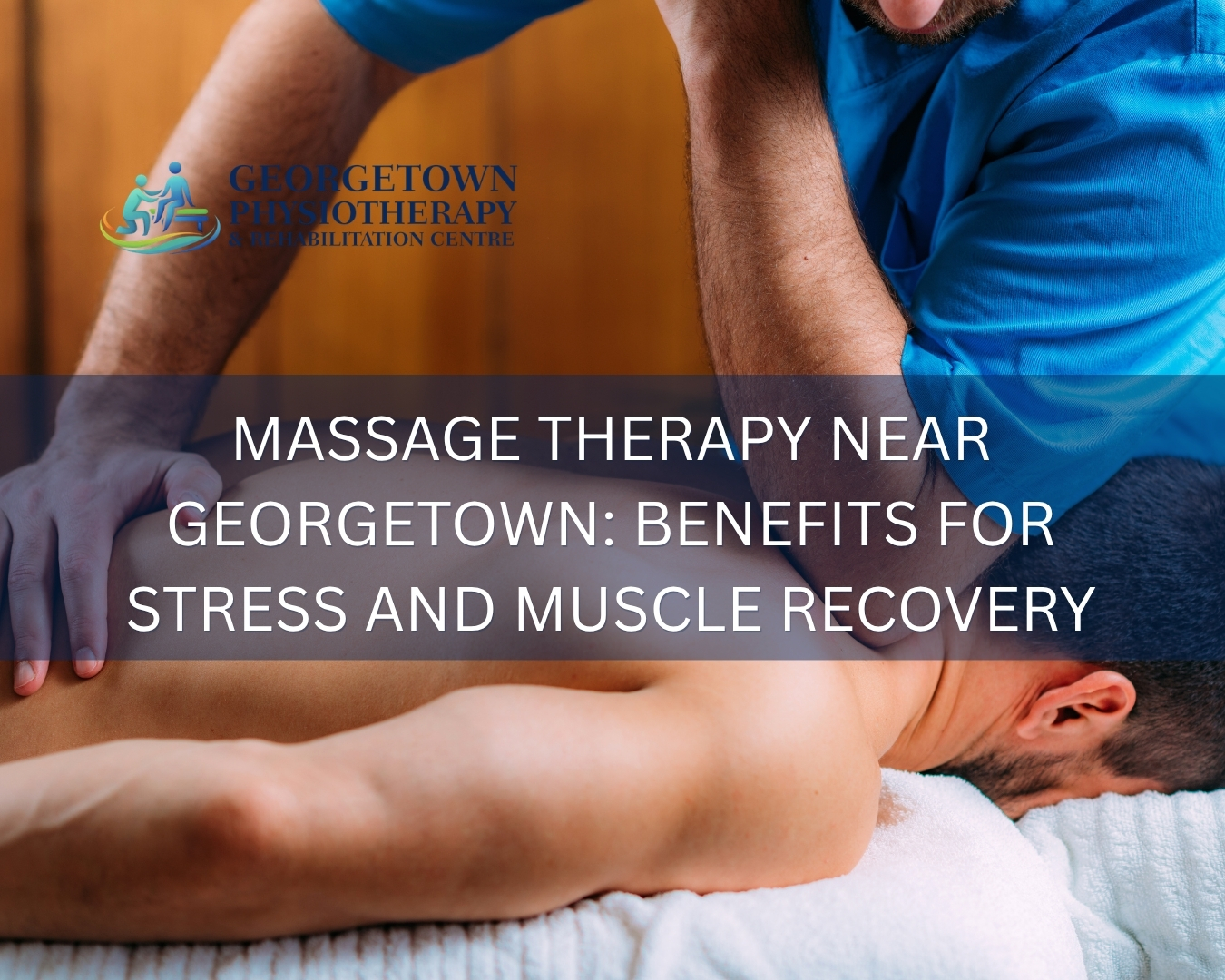
Massage Therapy Near Georgetown: Benefits for Stress and Muscle Recovery
Modern lifestyles often place significant stress on the body. Long working hours, physically demanding jobs, sports activities, poor posture, and daily responsibilities can all contribute to muscle tension and physical discomfort. Over time, stress and muscle tightness may begin affecting sleep quality, mobility, energy levels, and overall wellness.
Fortunately, massage therapy offers a natural and effective way to manage stress while supporting muscle recovery and physical rehabilitation. Many individuals searching for massage therapy near Georgetown now choose professional rehabilitation clinics to improve both their physical comfort and mental relaxation.
Understanding Massage Therapy
Massage therapy involves hands-on treatment techniques that target muscles, tendons, ligaments, and soft tissues throughout the body. Depending on the condition being treated, therapists may use different pressure levels and specialized techniques to help improve physical function and reduce discomfort.
In addition to relaxation, massage therapy is frequently used as part of rehabilitation programs for injury recovery, chronic pain management, and mobility improvement.
Furthermore, many patients combine massage therapy with physiotherapy and chiropractic care for more comprehensive rehabilitation results.
Benefits of Massage Therapy
Some important benefits of massage therapy include:
- Reduced muscle tension
- Improved blood circulation
- Stress reduction
- Better flexibility and mobility
- Improved posture
- Reduced headaches
- Faster muscle recovery
- Improved sleep quality
- Reduced joint stiffness
- Enhanced relaxation
As a result, regular massage therapy sessions may help individuals feel healthier, more relaxed, and physically stronger.
Stress Relief Through Massage Therapy
Stress affects the body as much as the mind. In many cases, chronic stress contributes to tight muscles, neck stiffness, headaches, fatigue, and discomfort throughout the body.
Massage therapy helps relax tense muscles while encouraging the body to release natural relaxation hormones. Consequently, many patients notice reduced anxiety levels and improved relaxation after treatment sessions.
Additionally, regular massage therapy may help improve mental focus, sleep patterns, and overall emotional well-being.
Muscle Recovery and Rehabilitation
Muscle soreness and fatigue are common after physical activity, sports participation, or repetitive work-related movements. Without proper recovery, muscle tension may increase the risk of injuries and ongoing pain.
Massage therapy supports muscle recovery by:
- Improving blood circulation
- Reducing muscle tightness
- Decreasing inflammation
- Supporting tissue healing
- Improving flexibility
Because improved circulation delivers oxygen and nutrients more effectively throughout the body, muscles often recover faster after treatment.
Massage Therapy for Athletes and Active Individuals
Athletes frequently place repeated stress on muscles and joints during training and competition. As a result, sports-related soreness, stiffness, and overuse injuries are common.
Massage therapy may help athletes recover from:
- Muscle strains
- Sports injuries
- Joint stiffness
- Soft tissue tension
- Post-workout soreness
- Repetitive strain injuries
Furthermore, combining massage therapy with physiotherapy rehabilitation can improve athletic recovery while reducing future injury risks.
Massage Therapy for Office Workers
Many office workers spend hours sitting at desks, using computers, or performing repetitive tasks. Over time, poor posture and prolonged sitting can create tension in the neck, shoulders, and lower back.
Massage therapy may help relieve discomfort caused by:
- Poor posture
- Long sitting hours
- Repetitive work movements
- Stress-related muscle tension
- Limited physical activity
In many situations, regular massage therapy sessions help improve posture awareness and overall physical comfort.
Massage Therapy for Chronic Pain Conditions
Chronic pain can interfere with daily life and make routine activities uncomfortable. Fortunately, massage therapy offers a non-invasive option for managing pain naturally.
Massage therapy is commonly used for conditions such as:
- Lower back pain
- Neck pain
- Sciatica
- Arthritis discomfort
- Fibromyalgia
- Muscle tightness
- Joint stiffness
Because massage therapy reduces muscle tension and improves circulation, many patients experience improved comfort and better mobility after ongoing treatment.
Types of Massage Therapy
Different massage techniques are used depending on the patient’s condition and recovery goals.
Deep Tissue Massage
Deep tissue massage targets deeper muscle layers to relieve chronic tension and stiffness.
Sports Massage
Sports massage focuses on athletic recovery, flexibility improvement, and injury prevention.
Relaxation Massage
This technique helps reduce stress while promoting mental and physical relaxation.
Therapeutic Massage
Therapeutic massage addresses pain, mobility issues, and muscular dysfunction.
Trigger Point Therapy
Trigger point therapy focuses on tight muscle knots that may contribute to referred pain and discomfort.
Each treatment plan is customized according to the patient’s symptoms, lifestyle, and wellness goals.
Combining Massage Therapy with Physiotherapy
Massage therapy is often more effective when combined with physiotherapy treatments. While massage therapy helps reduce muscle tension and improve circulation, physiotherapy focuses on restoring strength, flexibility, and movement patterns.
A combined rehabilitation program may include:
- Stretching exercises
- Strength training
- Mobility exercises
- Posture correction
- Manual therapy
- Soft tissue treatment
Together, these therapies support long-term recovery and improved physical performance.
What to Expect During Your Appointment
Many first-time patients feel uncertain about what happens during a massage therapy session. Fortunately, the process is simple and comfortable.
Typically, an appointment includes:
- Discussion of symptoms and medical history
- Assessment of muscle tension and mobility
- Customized treatment planning
- Hands-on massage therapy techniques
- Recovery recommendations
Depending on the condition being treated, multiple sessions may be recommended for the best results.
Why Choose a Local Georgetown Rehabilitation Clinic?
Choosing a trusted local clinic makes ongoing treatment more convenient and consistent. Since recovery and wellness improvements often require regular appointments, many Georgetown residents prefer receiving care close to home.
Patients frequently look for clinics that provide:
- Personalized treatment plans
- Experienced therapists
- Flexible appointment scheduling
- Modern rehabilitation techniques
- Multiple therapy services under one roof
- Patient-focused care
Georgetown Physiotherapy & Rehabilitation Centre continues helping local residents improve wellness, reduce stress, and recover from muscle discomfort through professional massage therapy services.
Visit Georgetown Physiotherapy & Rehabilitation Centre
If you are looking for professional massage therapy near Georgetown, personalized rehabilitation services can help improve relaxation, reduce muscle tension, and support long-term physical recovery.
Clinic Address
Georgetown Physiotherapy & Rehabilitation Centre
333 Mountainview Rd S, Unit #2
Georgetown, ON L7G 5S5
Canada
- Phone: +1 905 702 6633
- Email: info@georgetownphysiotherapy.ca
- Website: Georgetown Physiotherapy & Rehabilitation Centre