


 Call For Appointment
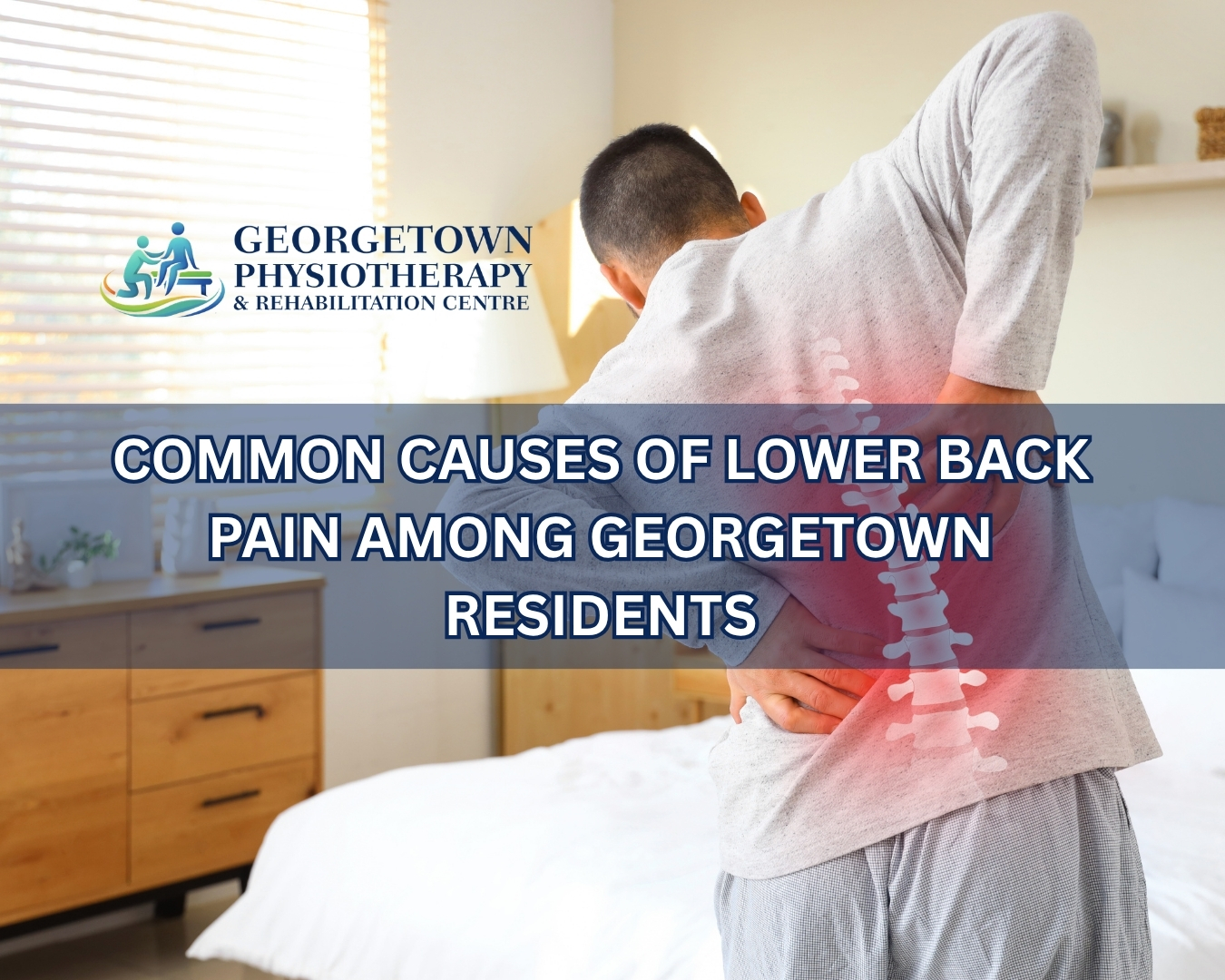
Common Causes of Lower Back Pain Among Georgetown Residents
Lower back pain is one of the most common physical complaints affecting adults today. Many Georgetown residents experience lower back discomfort caused by long working hours, physically demanding jobs, poor posture, lack of physical activity, sports injuries, and age-related spinal changes.
For some people, lower back pain appears suddenly after lifting heavy objects or sudden movement. For others, the discomfort develops gradually over time due to repetitive strain, prolonged sitting, or poor movement habits. While mild pain may improve temporarily with rest, ongoing or recurring back pain can significantly affect mobility, work performance, sleep quality, and overall quality of life.
Understanding the common causes of lower back pain is important because early treatment and lifestyle adjustments can help prevent chronic pain and long-term complications.
At Georgetown Physiotherapy & Rehabilitation Centre, rehabilitation programs are designed to help patients reduce pain, improve mobility, strengthen supporting muscles, and restore physical function naturally.
Why Lower Back Pain Is So Common
The lower back supports much of the body’s weight and movement throughout daily activities. Sitting, standing, lifting, bending, walking, and twisting all place stress on the lumbar spine and surrounding muscles.
Several modern lifestyle factors contribute to increasing back pain problems, including:
- Prolonged sitting
- Poor posture
- Lack of physical activity
- Weak core muscles
- Physically demanding work
- Repetitive movements
- Stress-related muscle tension
Research shows that lower back pain is one of the leading causes of disability worldwide.
Poor Posture
Poor posture is one of the most common causes of chronic lower back pain.
Many Georgetown residents spend long hours:
- Sitting at desks
- Driving
- Using laptops
- Looking down at mobile devices
Slouching and improper sitting positions place excessive stress on spinal joints, muscles, and discs.
Signs of Posture-Related Back Pain
- Pain after prolonged sitting
- Stiffness in the morning
- Tight hips or hamstrings
- Neck and shoulder tension
- Fatigue while standing
Posture correction therapy and physiotherapy can help improve spinal alignment and reduce strain on the lower back.
Prolonged Sitting and Desk Work
Office workers and remote employees often experience lower back pain from sitting for long periods without movement.
Prolonged sitting may lead to:
- Tight hip muscles
- Weak core muscles
- Increased spinal pressure
- Reduced circulation
- Poor posture habits
Studies suggest that sedentary behavior contributes significantly to lower back pain and spinal discomfort.
Taking regular movement breaks and improving workstation ergonomics may help reduce stress on the lower spine.
Weak Core Muscles
Core muscles help stabilize and support the spine during movement.
Weak abdominal and lower back muscles may increase stress on spinal structures and contribute to pain.
Common signs of weak core support include:
- Poor posture
- Difficulty standing for long periods
- Recurring back strain
- Reduced balance
- Fatigue during physical activity
Physiotherapy exercises often focus on strengthening the core to improve spinal stability.
Heavy Lifting and Physical Work
Workers involved in construction, warehouses, healthcare, landscaping, and physically demanding jobs are more likely to develop lower back injuries.
Improper lifting techniques may strain:
- Muscles
- Ligaments
- Spinal discs
- Joints
Repeated lifting without proper body mechanics can eventually lead to chronic pain and mobility limitations.
Sports Injuries and Physical Activity
Sports and exercise provide many health benefits, but improper movement, overtraining, or sudden impact may cause lower back strain.
Common sports-related causes include:
- Muscle strain
- Repetitive twisting
- Poor flexibility
- Weak supporting muscles
- Improper lifting technique
Athletes often benefit from physiotherapy rehabilitation programs designed to improve movement mechanics and reduce reinjury risk.
Sciatica and Nerve Irritation
Sciatica occurs when the sciatic nerve becomes compressed or irritated.
Symptoms may include:
- Lower back pain
- Sharp leg pain
- Tingling
- Numbness
- Muscle weakness
Sciatica is commonly associated with herniated discs, spinal pressure, and muscle tightness.
Early rehabilitation often improves recovery outcomes significantly.
Herniated or Bulging Discs
Spinal discs act as cushions between vertebrae. When discs become damaged or bulge outward, they may place pressure on nearby nerves.
Common symptoms include:
- Sharp lower back pain
- Leg pain
- Numbness
- Reduced mobility
- Pain while bending or sitting
Physiotherapy and rehabilitation exercises are commonly recommended as conservative treatment options.
Arthritis and Age-Related Degeneration
As people age, spinal joints and discs naturally experience wear and tear.
Arthritis-related back pain may involve:
- Joint stiffness
- Reduced flexibility
- Inflammation
- Pain during movement
Many seniors benefit from physiotherapy programs focused on mobility improvement and strength building.
Stress and Muscle Tension
Emotional stress can contribute to muscle tightness, especially in the neck, shoulders, and lower back.
Stress-related back pain may worsen due to:
- Muscle tension
- Poor sleep
- Reduced movement
- Fatigue
Massage therapy and relaxation-focused rehabilitation approaches may help reduce tension-related discomfort.
Lack of Physical Activity
A sedentary lifestyle weakens muscles that support the spine and reduces flexibility.
Inactive individuals may experience:
- Stiffness
- Poor mobility
- Weak core muscles
- Increased injury risk
Regular movement and exercise help improve spinal health and reduce lower back strain.
Obesity and Excess Weight
Excess body weight increases pressure on the spine and supporting joints.
Additional weight may contribute to:
- Poor posture
- Reduced mobility
- Joint stress
- Chronic back pain
Combining exercise, physiotherapy, and lifestyle improvements may help reduce stress on the lower back.
How Physiotherapy Helps Lower Back Pain
Physiotherapy focuses on improving movement, strengthening muscles, and reducing pain naturally.
At Georgetown Physiotherapy & Rehabilitation Centre, rehabilitation programs may include:
- Stretching exercises
- Core strengthening
- Manual therapy
- Mobility training
- Posture correction
- Functional rehabilitation
- Soft tissue therapy
The goal is to reduce pain while improving long-term spinal function and mobility.
Massage Therapy for Lower Back Pain
Massage therapy helps relax tight muscles and improve circulation.
Benefits may include:
- Reduced muscle tension
- Improved flexibility
- Better circulation
- Reduced stress-related tightness
- Improved comfort during movement
Massage therapy is often combined with physiotherapy rehabilitation.
Chiropractic Care for Spinal Mobility
- Lower back mobility
- Posture
- Joint flexibility
- Muscle tension
- Movement quality
Integrated rehabilitation approaches often improve recovery outcomes.
Laser Therapy for Chronic Back Pain
- Reduce pain
- Improve circulation
- Support recovery
- Reduce inflammation
This treatment is commonly used alongside physiotherapy and rehabilitation exercises.
Tips to Prevent Lower Back Pain
Maintain Good Posture
Proper posture reduces unnecessary stress on the spine.
Stay Physically Active
Regular movement strengthens supporting muscles and improves flexibility.
Lift Properly
Use proper body mechanics when lifting heavy objects.
Stretch Regularly
Stretching helps reduce muscle tightness and improve mobility.
Avoid Prolonged Sitting
Frequent movement breaks help reduce spinal pressure.
When to Seek Professional Help
You should seek professional rehabilitation support if you experience:
- Persistent lower back pain
- Pain radiating into the legs
- Numbness or tingling
- Difficulty standing or walking
- Reduced mobility
- Pain interfering with daily activities
Early treatment often prevents worsening symptoms and long-term complications.
Why Georgetown Residents Choose Georgetown Physiotherapy & Rehabilitation Centre
Many Georgetown residents trust Georgetown Physiotherapy & Rehabilitation Centre for personalized rehabilitation and pain management support.
Services include:
Treatment programs are designed to improve mobility, reduce pain, and support long-term spinal health.
Final Thoughts
Lower back pain is extremely common, but it should never be ignored. Poor posture, prolonged sitting, heavy lifting, weak muscles, stress, and spinal conditions can all contribute to chronic discomfort and reduced mobility.
Early intervention often provides the best results and helps prevent long-term complications.
Contact Information
Georgetown Physiotherapy & Rehabilitation Centre
333 Mountainview Rd S, Unit #2, Georgetown, ON L7G 5S5, Canada
Phone: +1 905 702 6633
Email: info@georgetownphysiotherapy.ca
Website: Georgetown Physiotherapy Official Website