


 Call For Appointment
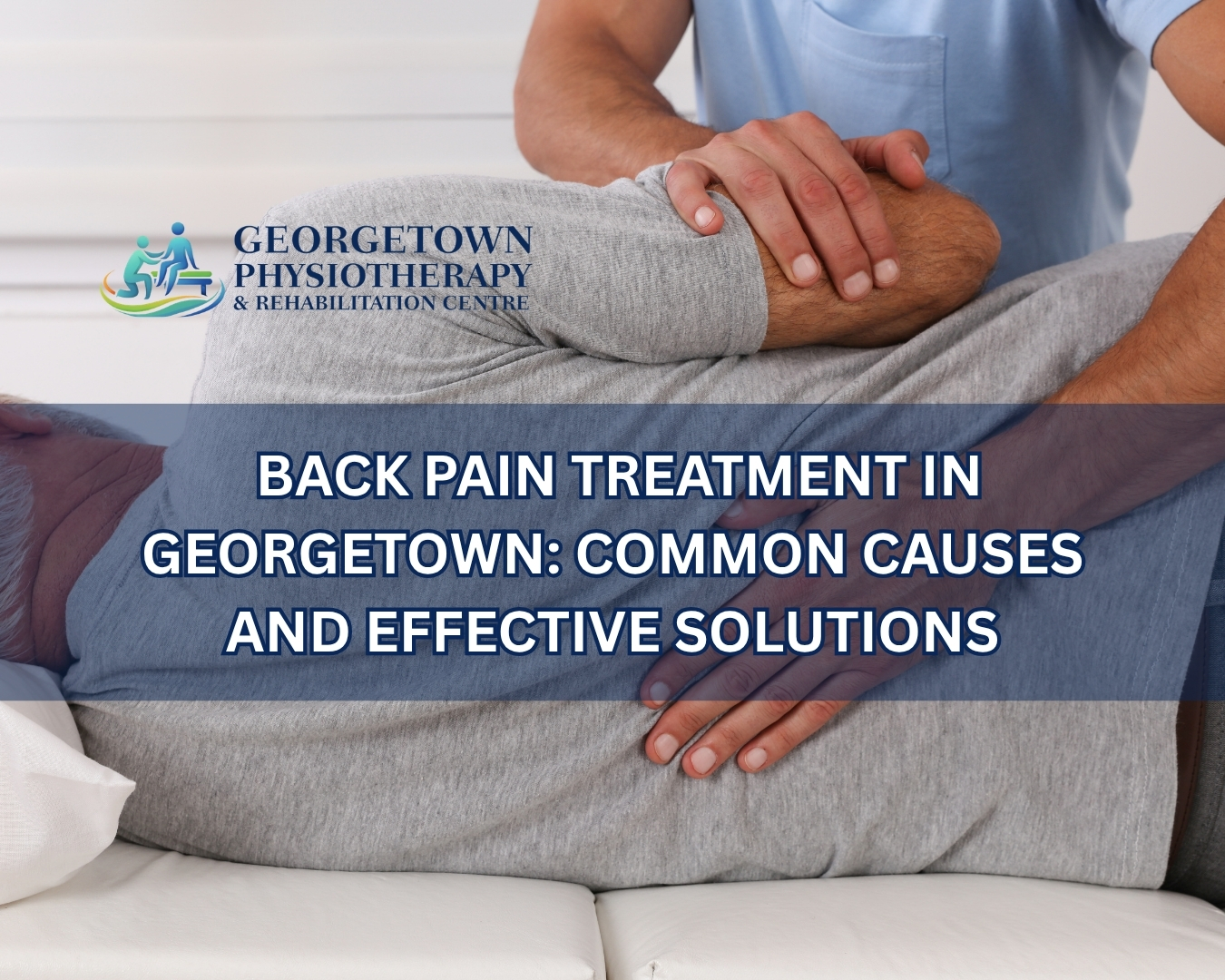
Back Pain Treatment in Georgetown: Common Causes and Effective Solutions
For many Georgetown residents, long hours of sitting, physically demanding jobs, sports activities, poor posture, and age-related changes can contribute to ongoing back discomfort. While some cases resolve on their own, persistent or recurring pain often requires professional assessment and treatment.
Fortunately, modern rehabilitation techniques can help manage pain, improve mobility, and address the root causes of back problems. At Georgetown Physiotherapy & Rehabilitation Centre, personalized treatment plans are designed to help patients regain strength, movement, and confidence through evidence-based care.
Understanding Back Pain
Back pain can affect different areas of the spine, including:
Lower back pain is the most common form and often results from muscle strain, poor posture, repetitive stress, or spinal conditions.
Pain may range from a mild ache to severe discomfort that limits movement and daily activities.
Common Causes of Back Pain
Understanding the cause of back pain is essential for effective treatment.
Poor Posture
One of the leading causes of back pain is poor posture.
Many people spend hours sitting at desks, working on computers, or using mobile devices. Slouching places additional stress on the spine and surrounding muscles, leading to discomfort over time.
Common posture-related symptoms include:
Muscle Strains and Sprains
Overstretching or tearing muscles and ligaments can result in acute back pain.
Common causes include:
- Heavy lifting
- Sudden movements
- Sports activities
- Repetitive physical tasks
These injuries often cause pain, stiffness, and reduced mobility.
Sedentary Lifestyle
A lack of physical activity weakens muscles that support the spine.
Weak core muscles may contribute to:
- Poor posture
- Reduced stability
- Increased injury risk
- Chronic back discomfort
Regular movement and strengthening exercises help maintain spinal health.
Herniated or Bulging Discs
Spinal discs act as cushions between vertebrae.
When a disc bulges or herniates, it may place pressure on nearby nerves, leading to symptoms such as:
- Lower back pain
- Leg pain
- Numbness
- Tingling sensations
- Muscle weakness
Sciatica
Sciatica occurs when the sciatic nerve becomes irritated or compressed.
Symptoms often include:
- Pain radiating down one leg
- Burning sensations
- Tingling
- Weakness
- Lower back discomfort
Early treatment may help prevent symptoms from becoming chronic.
Arthritis and Degenerative Changes
As people age, natural wear and tear can affect spinal joints and discs.
Arthritis-related back pain may involve:
- Joint stiffness
- Reduced flexibility
- Chronic discomfort
- Mobility limitations
Workplace Injuries
Many workers experience back pain due to:
- Repetitive lifting
- Prolonged standing
- Awkward movements
- Heavy physical labor
Early rehabilitation can help prevent long-term complications.
Motor Vehicle Accidents
Car accidents can cause:
- Whiplash
- Muscle strains
- Joint injuries
- Spinal dysfunction
MVA rehabilitation programs help patients recover safely after accidents.
Signs You Should Seek Professional Treatment
Many people attempt to manage back pain on their own. However, professional evaluation may be necessary if you experience:
- Pain lasting more than a few weeks
- Difficulty walking or standing
- Numbness or tingling
- Pain radiating into the legs
- Recurring episodes of pain
- Reduced mobility
- Pain affecting sleep or work
Early intervention often leads to better recovery outcomes.
Effective Back Pain Treatment Options
Physiotherapy
Physiotherapy is one of the most effective non-surgical treatments for back pain.
A physiotherapist evaluates posture, movement patterns, strength, and mobility to identify contributing factors.
Treatment may include:
- Stretching exercises
- Strengthening programs
- Manual therapy
- Mobility training
- Core stabilization exercises
- Posture correction
The goal is to reduce pain while improving function and preventing future episodes.
Chiropractic Care
Chiropractic care focuses on improving spinal mobility and joint function.
Benefits may include:
- Improved movement
- Reduced stiffness
- Better posture
- Relief from joint restrictions
Many patients combine chiropractic care with physiotherapy for comprehensive rehabilitation.
Massage Therapy
Massage therapy helps reduce muscle tension and improve circulation.
Benefits include:
- Relaxed muscles
- Improved flexibility
- Reduced stress
- Enhanced recovery
Massage therapy is often used alongside physiotherapy to improve treatment outcomes.
Laser Therapy
Laser therapy is a non-invasive treatment that uses light energy to support tissue healing.
Potential benefits include:
- Reduced inflammation
- Improved circulation
- Faster recovery
- Pain reduction
Laser therapy is commonly included in rehabilitation programs for chronic and acute back pain.
Exercises That May Help Back Pain
A physiotherapist may recommend specific exercises based on your condition.
Common examples include:
Pelvic Tilts
Help strengthen abdominal muscles and improve spinal support.
Cat-Camel Stretch
Promotes spinal mobility and flexibility.
Knee-to-Chest Stretch
Reduces lower back tension and improves flexibility.
Bird-Dog Exercise
Strengthens core and back muscles.
Bridges
Improve hip and lower back stability.
Exercises should always be performed under professional guidance when pain is present.
Preventing Future Back Pain
While treatment is important, prevention is equally valuable.
Maintain Good Posture
Keep your spine aligned while sitting, standing, and lifting.
Stay Active
Regular exercise helps strengthen muscles that support the spine.
Strengthen Your Core
Strong abdominal and back muscles provide stability and reduce strain.
Lift Properly
Use your legs rather than your back when lifting heavy objects.
Take Frequent Movement Breaks
Avoid sitting for long periods without standing and stretching.
Why Georgetown Residents Choose Georgetown Physiotherapy & Rehabilitation Centre
Patients throughout Georgetown trust Georgetown Physiotherapy & Rehabilitation Centre because of its personalized approach to rehabilitation.
Services include:
Each treatment plan is tailored to the patient’s specific condition, lifestyle, and recovery goals.
The clinic focuses on helping patients reduce pain, improve mobility, and return to daily activities safely and confidently.
Final Thoughts
Back pain can affect every aspect of life, but it does not have to become a permanent problem. Understanding the underlying causes and seeking appropriate treatment can make a significant difference in recovery and long-term health.
If you are experiencing persistent back discomfort, early assessment and treatment can help prevent minor issues from developing into chronic conditions.
Contact Information
Georgetown Physiotherapy & Rehabilitation Centre
333 Mountainview Rd S, Unit #2
Georgetown, ON L7G 5S5, Canada
Phone: +1 905 702 6633
Email: info@georgetownphysiotherapy.ca
Website: https://georgetownphysiotherapy.ca/