


 Call For Appointment

Shock-wave therapy is an advanced, non-invasive treatment used to manage chronic pain and promote tissue healing. At Georgetown Physiotherapy & Rehabilitation Centre, shock-wave therapy is offered to help patients who have persistent pain or injuries that have not fully responded to traditional treatment methods.
This therapy is commonly used for tendon and soft-tissue conditions where healing has slowed or stalled. By stimulating the body’s natural repair processes, shock-wave therapy helps reduce pain, improve mobility, and support long-term recovery without surgery or medication.
What Is Shock-Wave Therapy?
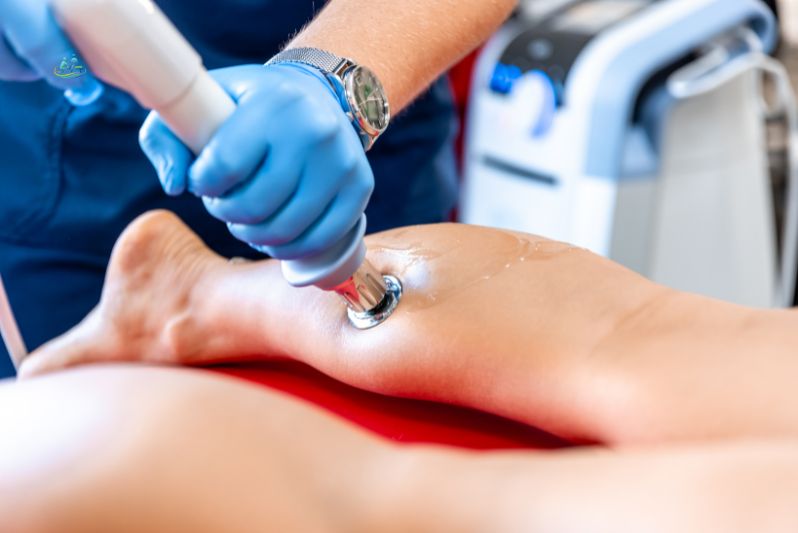
Shock-wave therapy uses high-energy sound waves that are delivered to the affected area through a handheld device. These sound waves travel through the tissue and stimulate increased blood flow, cellular activity, and tissue regeneration.
Unlike surgical procedures, shock-wave therapy does not break the skin and requires no downtime. Treatments are typically short, and patients can return to daily activities immediately after each session.
Shock-wave therapy is especially effective for chronic conditions where pain has persisted for several months and traditional therapies alone have not provided sufficient relief.
Conditions Treated With Shock-Wave Therapy
Shock-wave therapy is commonly used to treat conditions such as plantar fasciitis, Achilles tendinopathy, tennis elbow, golfer’s elbow, shoulder tendinopathy, hip pain, and chronic muscle or tendon injuries.
It is also effective for calcific tendinitis, heel pain, and certain repetitive strain injuries. Patients experiencing long-standing pain, stiffness, or reduced function often benefit from shock-wave therapy as part of their rehabilitation plan.
This treatment is particularly helpful when scar tissue, poor circulation, or chronic inflammation is contributing to ongoing discomfort.
How Shock-Wave Therapy Works
Shock-wave therapy works by creating controlled micro-stimulation within the affected tissues. This stimulation encourages the body to increase blood flow and trigger a healing response in areas where recovery has slowed.
The sound waves help break down unhealthy tissue and promote the formation of new blood vessels, improving oxygen and nutrient delivery to the area. This process supports tissue regeneration and reduces pain over time.
Shock-wave therapy also helps decrease pain sensitivity by affecting nerve signaling in the treated area, allowing patients to move more comfortably and participate more actively in rehabilitation exercises.
Our Shock-Wave Therapy Approach
At Georgetown Physiotherapy & Rehabilitation Centre, shock-wave therapy always begins with a thorough assessment. Your physiotherapist evaluates your condition, pain history, movement limitations, and previous treatments to determine whether shock-wave therapy is appropriate.
If recommended, shock-wave therapy is integrated into a personalized treatment plan. Sessions are carefully planned based on the condition being treated, symptom severity, and individual tolerance.
Shock-wave therapy is often combined with physiotherapy exercises, stretching, and movement retraining to ensure long-term improvements in strength, flexibility, and function.
What to Expect During Treatment
During a shock-wave therapy session, the therapist applies a handheld device to the affected area. You may feel a tapping or pulsing sensation as the sound waves are delivered. Some mild discomfort can occur during treatment, but it is generally well tolerated and brief.
Each session typically lasts only a few minutes. Most treatment plans involve several sessions spaced over a few weeks, depending on the condition and response to therapy.
Patients may notice gradual improvement over time as tissues heal and pain decreases. Some experience relief within a few sessions, while others notice steady progress over the full course of treatment.
Benefits of Shock-Wave Therapy
Shock-wave therapy offers several benefits for patients dealing with chronic pain. It is non-invasive, requires no anesthesia, and does not involve medication. This makes it a suitable option for individuals seeking alternatives to injections or surgery.
By addressing the underlying cause of pain rather than masking symptoms, shock-wave therapy supports lasting improvements in function and comfort. It can also reduce recovery time and help patients return to normal activities sooner.
Shock-wave therapy is particularly valuable for patients who have tried rest, exercise, or manual therapy with limited results.
Who Can Benefit From Shock-Wave Therapy
Shock-wave therapy is suitable for adults experiencing chronic tendon or soft-tissue pain. It is especially helpful for individuals with long-standing injuries, repetitive strain conditions, or pain that interferes with work, sports, or daily activities.
Athletes often use shock-wave therapy to speed up recovery and return to training. Individuals with physically demanding jobs or active lifestyles may also benefit from improved tissue healing and pain reduction.
Not all conditions are appropriate for shock-wave therapy, which is why a professional assessment is essential before treatment begins.
Shock-Wave Therapy as Part of Rehabilitation
Shock-wave therapy is most effective when combined with active rehabilitation. While shock-wave therapy stimulates healing, physiotherapy exercises help restore strength, mobility, and proper movement patterns.
At Georgetown Physiotherapy & Rehabilitation Centre, shock-wave therapy is integrated into comprehensive care plans designed to support both pain relief and functional recovery. Education is provided to help patients understand how to support healing between sessions.
Book a Shock-Wave Therapy Appointment
If chronic pain or a stubborn injury is limiting your movement and quality of life, shock-wave therapy may help. Book an appointment today for a professional assessment and personalized treatment plan designed to reduce pain, promote healing, and support long-term physical well-being.