

 Call For Appointment
Vestibular Rehabilitation
Vestibular rehabilitation is a specialized form of physiotherapy designed to treat dizziness, vertigo, balance problems, and issues related to the inner ear and nervous system. At Georgetown Physiotherapy & Rehabilitation Centre, vestibular rehabilitation focuses on helping patients regain balance, reduce dizziness, and feel confident moving again in their daily lives.
Problems with the vestibular system can significantly affect quality of life. Simple activities such as walking, turning the head, getting out of bed, or driving can become difficult or frightening. Vestibular rehabilitation uses targeted exercises and guided therapy to help the brain adapt, compensate, and restore balance control safely and gradually.
What Is the Vestibular System and Why It Matters
The vestibular system is located in the inner ear and works closely with the brain, eyes, and muscles to maintain balance, coordination, and spatial awareness. When this system is disrupted due to injury, illness, infection, concussion, or aging, it can result in dizziness, vertigo, unsteadiness, nausea, blurred vision, or frequent falls.
Vestibular disorders may develop suddenly or gradually. Some patients experience spinning sensations (vertigo), while others feel lightheaded, off-balance, or disoriented. Without proper treatment, symptoms can persist and lead to reduced activity levels, anxiety, and loss of independence.
Vestibular rehabilitation is a proven, non-invasive approach that helps retrain the brain to process balance signals more effectively.
Conditions Treated With Vestibular Rehabilitation
Vestibular rehabilitation is commonly used to treat benign paroxysmal positional vertigo (BPPV), vestibular neuritis, labyrinthitis, balance disorders, motion sensitivity, and dizziness related to inner ear dysfunction. It is also effective for individuals recovering from concussions or neurological conditions that affect balance and coordination.
Patients who experience frequent falls, difficulty walking on uneven surfaces, or unsteadiness when turning their head may benefit from vestibular therapy. It is also helpful for individuals who feel dizzy in busy environments such as grocery stores, crowds, or while driving.
Our Vestibular Rehabilitation Approach
At Georgetown Physiotherapy & Rehabilitation Centre, vestibular rehabilitation begins with a thorough assessment. Your physiotherapist evaluates your symptoms, balance, eye movements, posture, coordination, and head motion tolerance. This detailed evaluation helps identify the underlying cause of dizziness or balance impairment.
Based on the assessment, a personalized vestibular rehabilitation program is developed. Treatment may include balance training, gaze stabilization exercises, head and eye coordination exercises, habituation techniques, and postural control training. For certain conditions such as BPPV, specific repositioning maneuvers may be used to relieve symptoms.
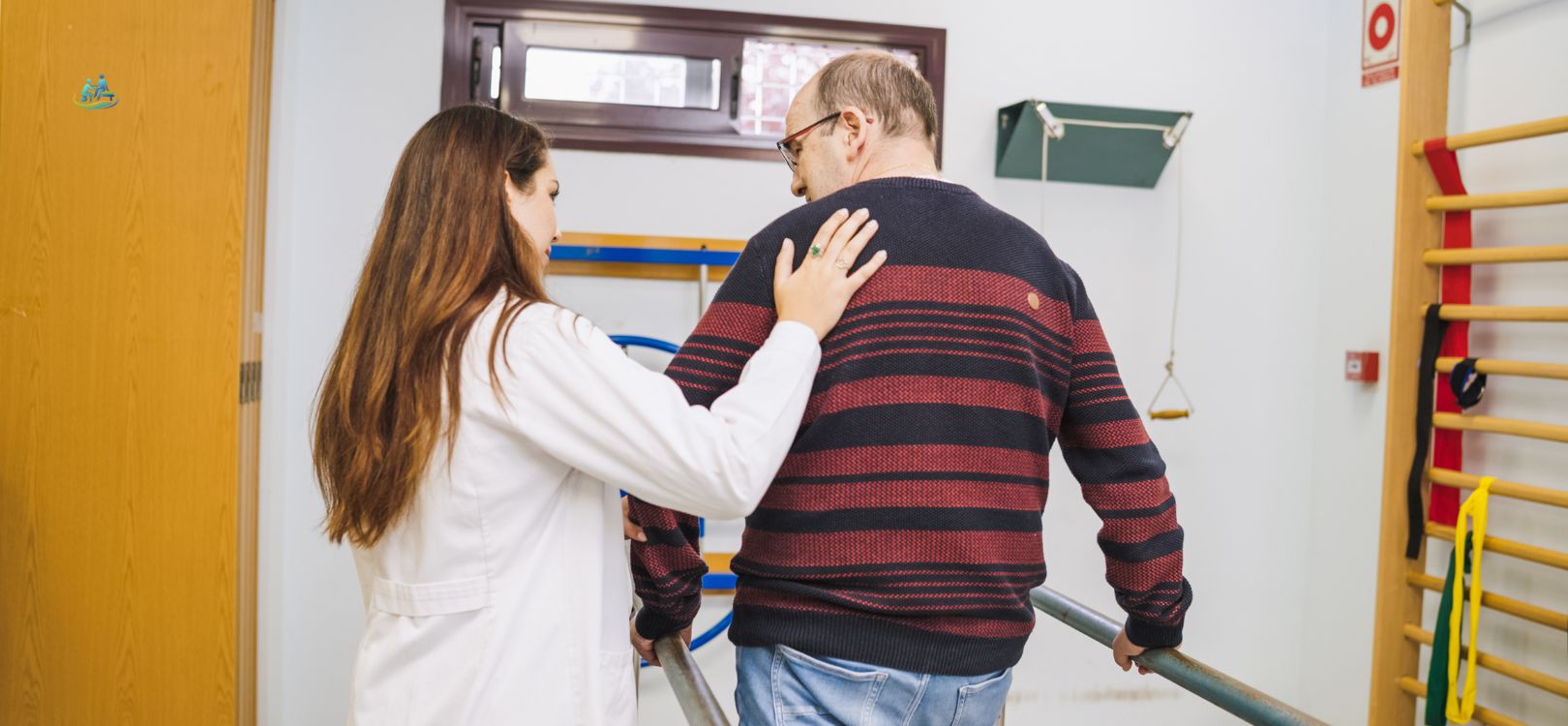
Exercises are introduced gradually and progressed at a pace that matches each patient’s tolerance and recovery level. The goal is to challenge the vestibular system safely while encouraging the brain to adapt and regain control of balance and movement.
What to Expect During Treatment
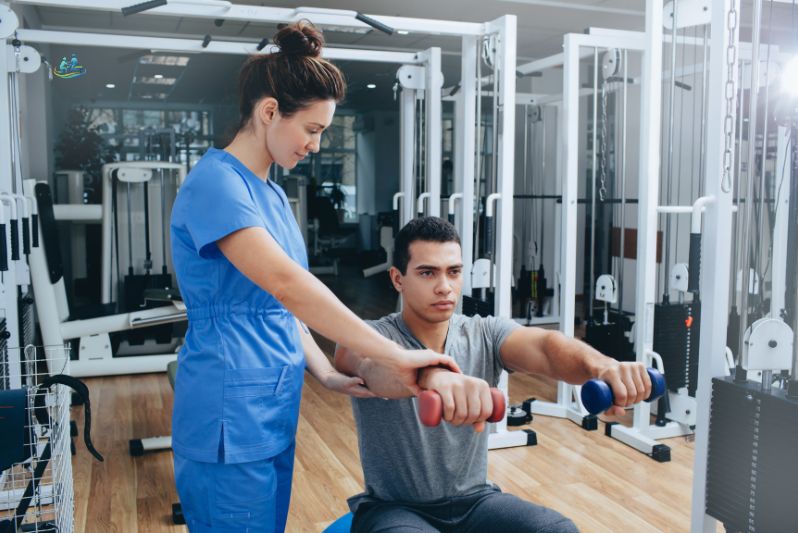
Vestibular rehabilitation is highly individualized. Some exercises may temporarily provoke mild symptoms as part of the retraining process, but therapy is always performed within safe and controlled limits. Your physiotherapist closely monitors progress and adjusts exercises as symptoms improve.
Education is a key component of vestibular rehabilitation. Patients learn about their condition, how to manage symptoms, and strategies to reduce dizziness during daily activities. Home exercise programs are often provided to support consistent progress between clinic visits.
Over time, most patients notice reduced dizziness, improved balance, better confidence with movement, and greater independence in daily life.
Who Can Benefit From Vestibular Rehabilitation
Vestibular rehabilitation is suitable for adults of all ages experiencing dizziness, vertigo, or balance difficulties. It is especially beneficial for individuals whose symptoms interfere with walking, working, driving, or participating in everyday activities.
Older adults often benefit from vestibular therapy to reduce fall risk and improve stability. Individuals recovering from concussions or neurological conditions may also find vestibular rehabilitation essential for restoring coordination and movement confidence.
Vestibular Rehabilitation as Part of a Comprehensive Care Plan
Vestibular rehabilitation often works best when combined with other rehabilitation services such as physiotherapy, concussion management, or balance training. Addressing muscle strength, posture, and movement patterns alongside vestibular exercises helps support more complete and lasting recovery.
At Georgetown Physiotherapy & Rehabilitation Centre, vestibular rehabilitation is integrated into personalized care plans to ensure a coordinated and effective approach to recovery.
Book a Vestibular Rehabilitation Appointment
If dizziness, vertigo, or balance problems are limiting your daily life, vestibular rehabilitation can help. Book an appointment today to receive a personalized assessment and begin a treatment program designed to restore balance, reduce symptoms, and help you move with confidence again.