
 Call For Appointment
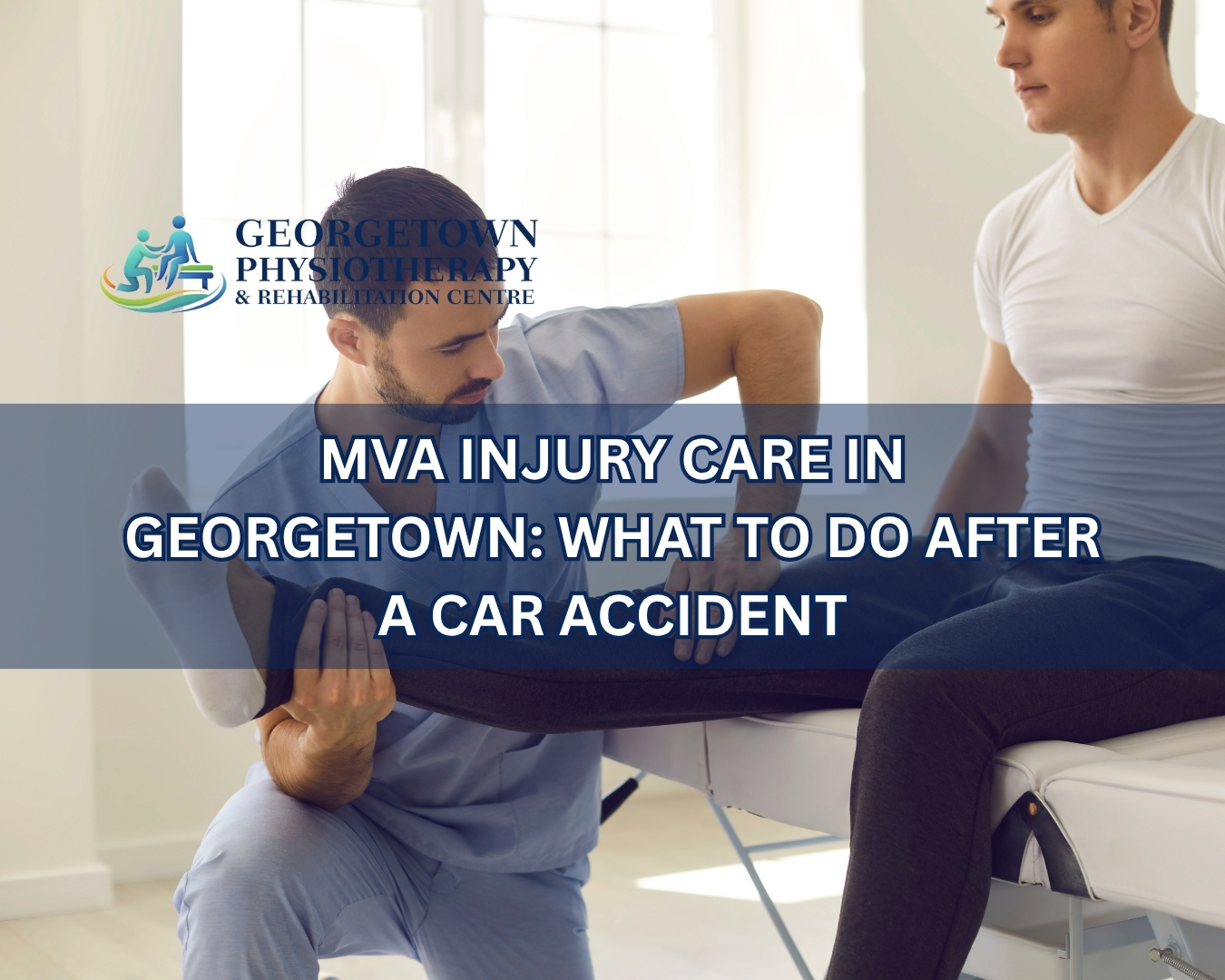
MVA Injury Care in Georgetown: What to Do After a Car Accident
A car accident can happen unexpectedly and leave both physical and emotional effects that continue long after the collision itself. Even minor accidents can cause muscle strain, neck stiffness, headaches, back pain, reduced mobility, and stress-related discomfort. In many cases, symptoms do not appear immediately and may develop several hours or even days after the accident.
For many Georgetown residents, knowing what to do after a motor vehicle accident (MVA) is extremely important for protecting both their health and long-term recovery. Early medical attention and rehabilitation often play a major role in preventing chronic pain and mobility problems.
At Georgetown Physiotherapy & Rehabilitation Centre, patients receive personalized rehabilitation programs designed to support recovery after car accident injuries through physiotherapy, massage therapy, chiropractic care, and laser therapy.
Why You Should Never Ignore Car Accident Injuries
After a collision, adrenaline and stress hormones can temporarily mask pain symptoms. Many individuals feel “fine” immediately after an accident but begin experiencing discomfort later.
Common delayed symptoms include:
- Neck stiffness
- Whiplash pain
- Lower back pain
- Shoulder tightness
- Headaches
- Muscle soreness
- Dizziness
- Reduced mobility
- Joint discomfort
Ignoring these symptoms may lead to chronic pain conditions and longer recovery times.
Step 1: Seek Medical Attention Immediately
After any motor vehicle accident, your first priority should always be safety and medical evaluation.
Even if injuries seem minor, it is important to:
- Visit a healthcare professional
- Document symptoms early
- Monitor delayed pain or stiffness
- Follow medical recommendations
Early assessment can help identify injuries before they worsen and improve recovery outcomes.
Step 2: Report the Accident to Your Insurance Company
In Ontario, individuals involved in a car accident may have access to accident benefits through their auto insurance policy, regardless of who caused the accident. These benefits often help cover rehabilitation services such as physiotherapy and massage therapy.
When speaking with your insurance company:
- Report the accident as soon as possible
- Keep copies of all medical records
- Document symptoms carefully
- Save treatment-related paperwork
Proper documentation can help support your rehabilitation process.
Step 3: Start Rehabilitation Early
One of the biggest mistakes after a car accident is delaying treatment. Early rehabilitation helps reduce inflammation, improve mobility, and prevent long-term complications.
Research and rehabilitation professionals consistently recommend early physiotherapy intervention after MVAs to improve recovery outcomes.
At Georgetown Physiotherapy & Rehabilitation Centre, rehabilitation programs are tailored to the individual’s injury type, pain level, and recovery goals.
Common Injuries After a Car Accident
Motor vehicle accidents can affect multiple parts of the body simultaneously.
Whiplash Injuries
Whiplash is one of the most common MVA injuries. It occurs when the neck moves suddenly back and forth during impact.
Symptoms may include:
- Neck pain
- Headaches
- Shoulder tension
- Reduced neck movement
- Muscle stiffness
Lower Back Pain
Sudden impact can strain spinal muscles and ligaments, leading to ongoing back pain and mobility issues.
Soft Tissue Injuries
Muscles, tendons, and ligaments may become strained or inflamed during a collision.
Concussions and Headaches
Some accidents may result in dizziness, headaches, or concussion-related symptoms that require professional assessment.
Shoulder and Joint Injuries
Seatbelt force and sudden body movement may create shoulder, knee, or joint discomfort after an accident.
How Physiotherapy Helps After a Car Accident
Physiotherapy plays a major role in motor vehicle accident rehabilitation.
Treatment plans focus on:
- Pain reduction
- Mobility improvement
- Strength rebuilding
- Muscle recovery
- Posture correction
- Functional rehabilitation
Professional physiotherapy treatments may include:
- Manual therapy
- Stretching exercises
- Strengthening programs
- Mobility exercises
- Soft tissue therapy
- Postural correction
The goal is to help patients return safely to normal activities while preventing long-term pain.
Massage Therapy for MVA Recovery
Massage therapy is commonly used to relieve muscle tension caused by car accident injuries.
Benefits of massage therapy may include:
- Reduced muscle stiffness
- Improved blood circulation
- Relaxation of tight muscles
- Stress reduction
- Better flexibility
Many patients combine massage therapy with physiotherapy for improved rehabilitation results.
Chiropractic Care for Spinal Alignment
Motor vehicle accidents often affect spinal alignment and joint mobility.
Chiropractic care may help improve:
- Neck movement
- Back mobility
- Joint function
- Posture
- Muscle tension
Combining chiropractic care with physiotherapy often provides more complete rehabilitation support.
Laser Therapy for Pain Relief
- Reduce pain
- Improve circulation
- Accelerate healing
- Decrease inflammation
- Support soft tissue recovery
Many rehabilitation clinics use laser therapy alongside physiotherapy for injury recovery programs.
Emotional Stress After a Car Accident
Car accidents can also affect mental and emotional well-being. Some individuals experience anxiety, sleep disturbances, or emotional stress following a collision.
Physical rehabilitation combined with stress management strategies may help improve both physical and emotional recovery.
Helpful approaches may include:
- Gentle physical activity
- Relaxation techniques
- Massage therapy
- Adequate rest
- Following treatment recommendations
What to Expect During MVA Rehabilitation
During your first rehabilitation appointment, the therapist typically performs a full assessment of your injuries and symptoms.
The assessment may include:
- Reviewing accident details
- Evaluating mobility and strength
- Assessing pain levels
- Identifying posture or movement issues
- Creating a personalized treatment plan
Treatment programs are adjusted over time based on recovery progress and individual needs.
Tips for Faster Recovery After a Car Accident
Follow Your Treatment Plan
Attending scheduled rehabilitation sessions consistently can improve recovery outcomes significantly.
Stay Active Safely
Gentle movement and rehabilitation exercises often help prevent stiffness and muscle weakness.
Avoid Ignoring Pain
Persistent pain should never be ignored, especially after a collision.
Prioritize Rest and Recovery
The body needs time to heal after trauma and physical stress.
When to Seek Professional Rehabilitation Care
You should seek professional rehabilitation support if you experience:
- Neck or back pain after an accident
- Reduced mobility
- Persistent headaches
- Muscle stiffness
- Joint discomfort
- Tingling or numbness
- Difficulty performing daily activities
Early rehabilitation often helps reduce long-term complications and chronic pain development.
Why Georgetown Residents Choose Local Rehabilitation Clinics
Many Georgetown residents seek rehabilitation services close to home for convenience and ongoing recovery support.
Some local physiotherapy and rehabilitation providers include:
- Georgetown Physiotherapy & Rehabilitation Centre
- Eramosa Physiotherapy Associates Georgetown
- CBI Health – Georgetown
- Studio 2 Wellness
- Rehab Mantra
These clinics provide rehabilitation services focused on injury recovery, mobility improvement, and pain management.
Final Thoughts
Recovering from a motor vehicle accident takes time, proper treatment, and consistent rehabilitation support. Even minor accidents can create physical stress and delayed pain symptoms that should not be ignored.
Early physiotherapy and rehabilitation can help reduce pain, improve movement, restore strength, and support long-term recovery. With professional care and personalized treatment plans, many Georgetown residents can safely return to normal daily activities with improved confidence and comfort.
Contact Information
Georgetown Physiotherapy & Rehabilitation Centre
333 Mountainview Rd S, Unit #2, Georgetown, ON L7G 5S5, Canada
Phone: +1 905 702 6633
Email: info@georgetownphysiotherapy.ca
Website: Georgetown Physiotherapy Official Website