


 Call For Appointment
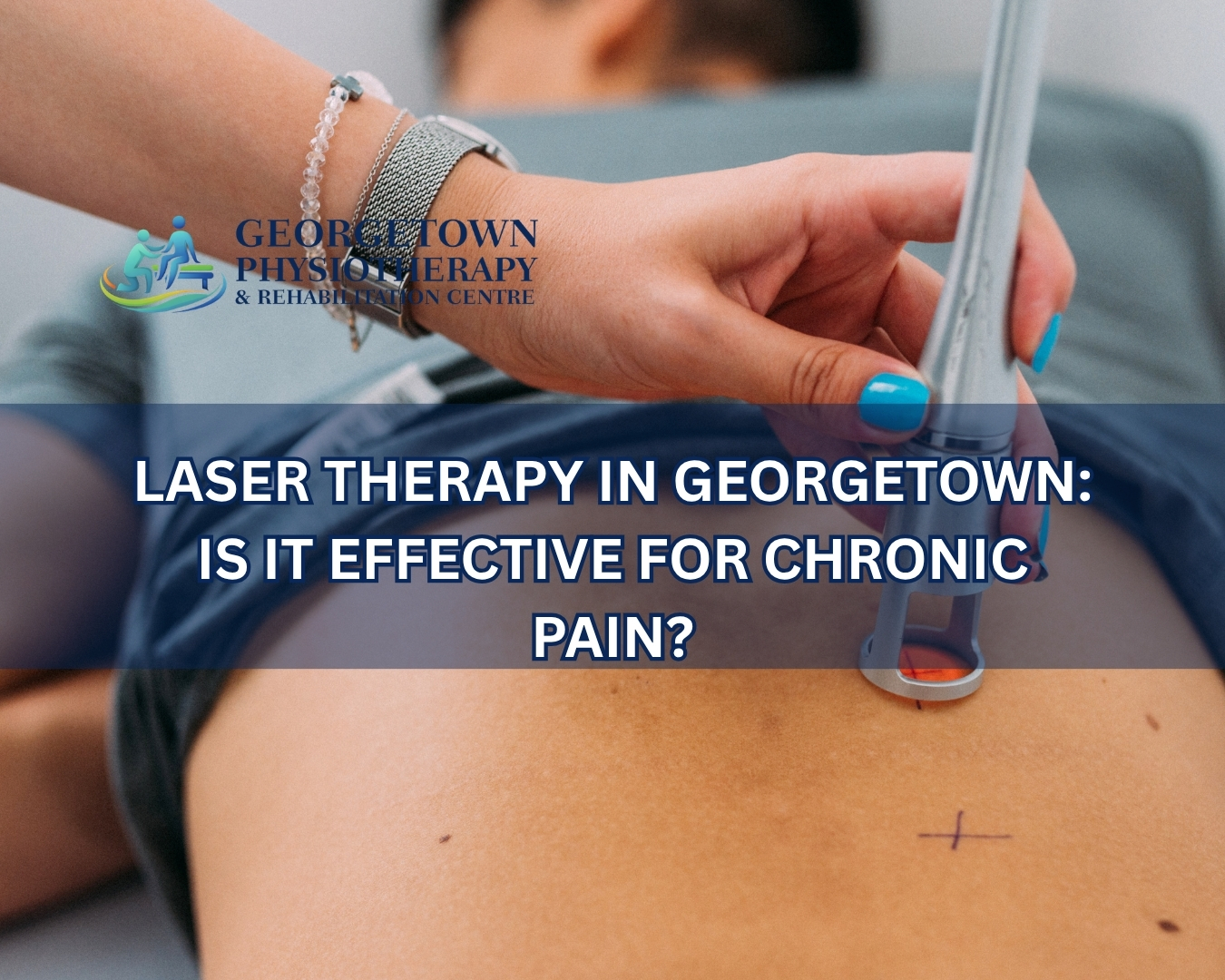
Laser Therapy in Georgetown: Is It Effective for Chronic Pain?
Chronic pain can affect every part of daily life. Whether caused by arthritis, sports injuries, nerve irritation, back problems, repetitive strain, or long-term muscle tension, ongoing pain can reduce mobility, affect sleep quality, limit physical activity, and impact emotional well-being.
Many people living with chronic pain are now searching for non-invasive treatment options that may help reduce discomfort without relying heavily on medications or surgery. One treatment gaining attention in physiotherapy and rehabilitation clinics is laser therapy.
Many Georgetown residents are asking an important question: Is laser therapy actually effective for chronic pain?
Research suggests that laser therapy may help reduce pain, inflammation, and muscle stiffness for certain musculoskeletal conditions when combined with proper rehabilitation programs.
At Georgetown Physiotherapy & Rehabilitation Centre, laser therapy is used alongside physiotherapy and rehabilitation treatments to help patients improve mobility, reduce pain, and support tissue healing naturally.
What Is Laser Therapy?
Laser therapy, also known as low-level laser therapy (LLLT) or cold laser therapy, uses focused light energy to stimulate healing within tissues. The treatment is non-invasive and does not involve surgery or injections.
The light energy penetrates the skin and may help:
- Reduce inflammation
- Improve blood circulation
- Stimulate tissue repair
- Decrease muscle tension
- Support nerve recovery
- Reduce pain sensitivity
Laser therapy has been used in physiotherapy and rehabilitation settings for several musculoskeletal conditions and chronic pain disorders.
How Does Laser Therapy Work?
Laser therapy works through a process called photobiomodulation. Specific wavelengths of light interact with cells and tissues to encourage healing and improve cellular function.
The treatment is designed to:
- Increase circulation
- Stimulate cell repair
- Reduce inflammation
- Promote tissue regeneration
- Relax muscles
- Improve healing response
Unlike surgical lasers, physiotherapy laser therapy does not cut or burn tissue.
Is Laser Therapy Effective for Chronic Pain?
Research findings on laser therapy are generally positive for many musculoskeletal pain conditions, although results can vary depending on the condition being treated and the treatment protocol used.
Several reviews and studies suggest laser therapy may help reduce chronic pain and improve physical function for some patients.
For example:
- A meta-analysis found low-level laser therapy effective for reducing pain in musculoskeletal disorders.
- Research on chronic low back pain showed improvements in pain and mobility after laser therapy treatment.
- Studies involving chronic joint disorders reported reduced pain and improved health outcomes in some patients.
However, experts also note that laser therapy should usually be part of a broader rehabilitation program rather than used as the only treatment.
Conditions Commonly Treated with Laser Therapy
Laser therapy is often used for both acute injuries and chronic pain conditions.
Chronic Back Pain
Back pain is one of the most common reasons patients seek laser therapy. Chronic lower back pain may involve muscle strain, inflammation, joint irritation, or nerve sensitivity.
Research suggests laser therapy may help reduce pain intensity and improve movement in some patients with chronic low back pain.
Neck Pain and Muscle Tension
Laser therapy may help reduce inflammation and muscle tightness associated with chronic neck pain and posture-related discomfort.
Arthritis and Joint Pain
People with osteoarthritis and chronic joint inflammation may experience reduced stiffness and improved mobility following laser therapy sessions.
Sports Injuries
Laser therapy is commonly used in sports rehabilitation for muscle strains, tendon injuries, ligament sprains, and overuse injuries.
Sciatica and Nerve Irritation
Some rehabilitation clinics use laser therapy to help reduce inflammation and discomfort associated with nerve-related pain conditions.
Shoulder Pain
Frozen shoulder, rotator cuff irritation, and repetitive strain injuries may benefit from combined laser therapy and physiotherapy rehabilitation.
Benefits of Laser Therapy
Non-Invasive Treatment
Laser therapy does not involve injections or surgery, making it appealing for patients seeking conservative treatment options.
Minimal Side Effects
Research generally considers low-level laser therapy safe and well tolerated when performed properly.
Reduced Inflammation
Inflammation contributes to many chronic pain conditions. Laser therapy may help decrease inflammatory responses within tissues.
Faster Recovery Support
Some studies suggest laser therapy may support tissue healing and improve recovery time for certain injuries.
Improved Mobility
Reducing muscle tightness and pain may help patients move more comfortably and improve flexibility.
What Does a Laser Therapy Session Feel Like?
Most patients report that laser therapy is painless and relaxing. During treatment:
- A therapist applies the laser device to the affected area
- Sessions are usually short
- Patients typically feel little or no discomfort
- No recovery downtime is required
Treatment duration and frequency vary depending on the condition and rehabilitation goals.
Laser Therapy Combined with Physiotherapy
Laser therapy is often most effective when combined with physiotherapy exercises and rehabilitation programs.
At Georgetown Physiotherapy & Rehabilitation Centre, rehabilitation plans may include:
- Physiotherapy
- Laser Therapy
- Massage Therapy
- Chiropractic Care
- Mobility exercises
- Strengthening programs
This integrated approach helps address both pain symptoms and underlying movement problems.
Massage Therapy and Chronic Pain Recovery
- Relax tight muscles
- Improve blood flow
- Reduce stress-related tension
- Improve flexibility
- Support rehabilitation recovery
Several Georgetown rehabilitation clinics also provide combined wellness and physiotherapy services, including Generations Physiotherapy Centre and Studio 2 Wellness.
Chiropractic Care and Laser Therapy
Chiropractic care focuses on spinal alignment and mobility, while laser therapy addresses inflammation and tissue healing.
Together, these therapies may help improve:
- Joint mobility
- Muscle tension
- Posture
- Chronic back pain
- Neck stiffness
Some Georgetown clinics offering multidisciplinary rehabilitation include Eramosa Physiotherapy Associates Georgetown and CBI Health – Georgetown.
Is Laser Therapy Right for Everyone?
While many patients benefit from laser therapy, results may vary depending on:
- The condition being treated
- Severity of chronic pain
- Overall health
- Treatment consistency
- Combination with exercise and rehabilitation
Laser therapy is not usually considered a standalone “cure” for chronic pain, but it may help improve recovery and reduce symptoms when used appropriately.
A professional assessment is important to determine whether laser therapy is appropriate for your condition.
When to Seek Professional Help
You should consider professional rehabilitation support if you experience:
- Persistent back or neck pain
- Chronic muscle tension
- Joint stiffness
- Sports injury discomfort
- Reduced mobility
- Nerve-related pain
- Pain interfering with daily activities
Early intervention often improves long-term recovery outcomes.
Why Georgetown Residents Choose Local Rehabilitation Clinics
Many Georgetown residents seek rehabilitation services close to home for ongoing pain management and recovery support.
Local physiotherapy and rehabilitation providers include:
- Georgetown Physiotherapy & Rehabilitation Centre
- Eramosa Physiotherapy Associates Georgetown
- CBI Health – Georgetown
- Rehab Mantra
- MedRehab Group – Georgetown Clinic
These clinics provide rehabilitation services focused on chronic pain management, mobility improvement, and injury recovery.
Final Thoughts
Laser therapy has become an increasingly popular treatment option for chronic pain and musculoskeletal rehabilitation. Research suggests it may help reduce inflammation, improve mobility, relieve pain, and support tissue healing for many patients when combined with physiotherapy and rehabilitation programs.
While results vary from person to person, laser therapy offers a non-invasive option for individuals looking for conservative pain management solutions.
If chronic pain is affecting your daily life, a professional assessment can help determine whether laser therapy and physiotherapy may support your recovery goals.
Contact Information
Georgetown Physiotherapy & Rehabilitation Centre
333 Mountainview Rd S, Unit #2, Georgetown, ON L7G 5S5, Canada
Phone: +1 905 702 6633
Website: Georgetown Physiotherapy Official Website