


 Call For Appointment
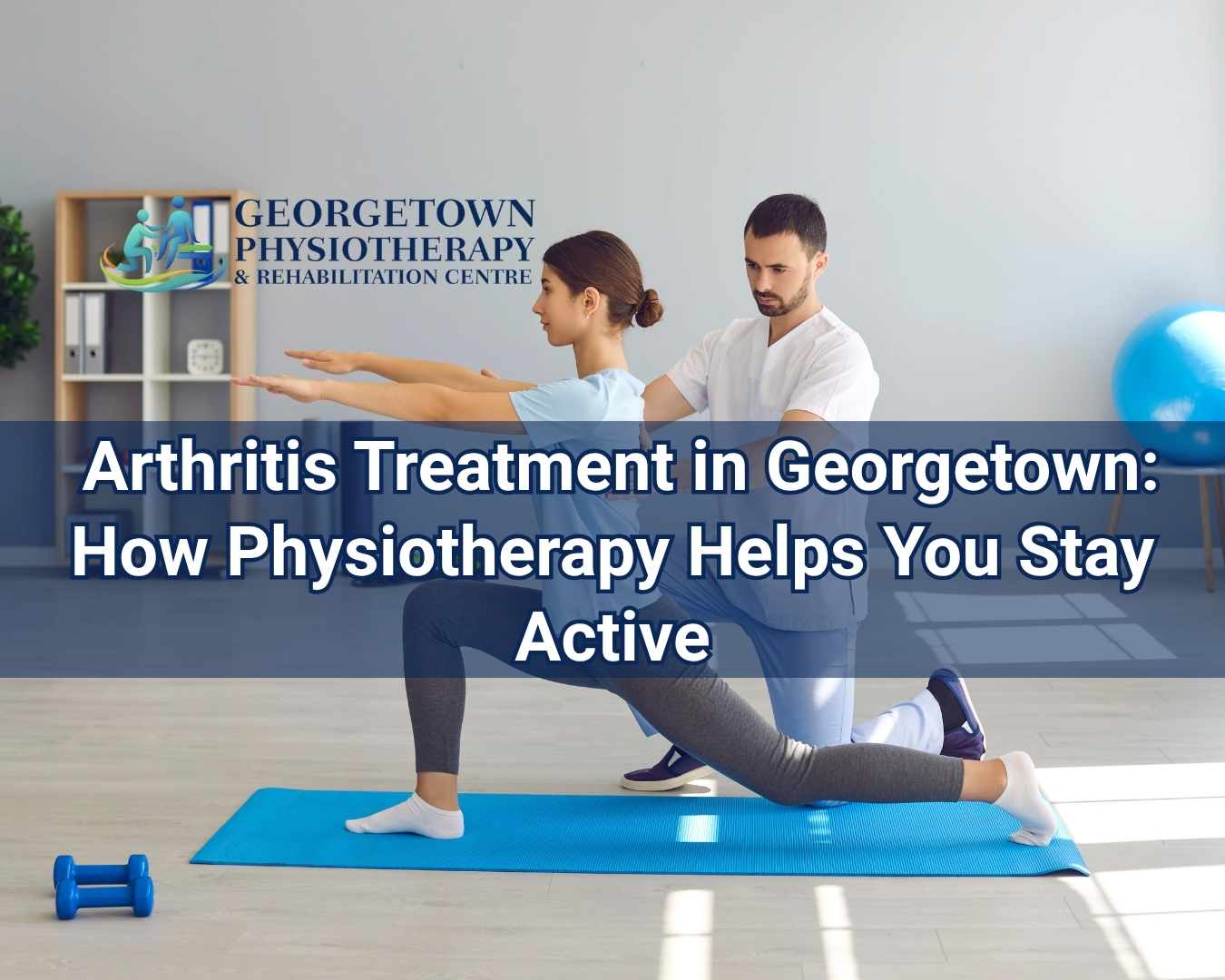
Arthritis Treatment in Georgetown: How Physiotherapy Helps You Stay Active
If you’ve been searching for “arthritis treatment near me in Georgetown,” you’re not alone. Arthritis is one of the most common causes of joint pain, stiffness, and reduced mobility among adults and seniors. Many Georgetown residents living with arthritis find that everyday activities such as walking, climbing stairs, gardening, exercising, or even getting out of a chair become increasingly difficult over time.
While arthritis is often considered a normal part of aging, it should not prevent you from enjoying an active and independent lifestyle. With proper treatment and rehabilitation, many people successfully manage their symptoms, improve mobility, and continue participating in the activities they love.
At Georgetown Physiotherapy & Rehabilitation Centre, we help patients manage arthritis through personalized physiotherapy programs designed to reduce pain, improve movement, increase strength, and support long-term joint health.
What Is Arthritis?
Arthritis is a general term used to describe more than 100 different conditions that affect the joints and surrounding tissues.
Common symptoms include:
Arthritis can affect many areas of the body, including:
- Knees
- Hips
- Hands
- Shoulders
- Ankles
- Spine
- Feet
The severity of symptoms varies from person to person, but many individuals notice that their mobility gradually decreases if the condition is not properly managed.
Common Types of Arthritis
Osteoarthritis
Osteoarthritis is the most common form of arthritis.
It occurs when the protective cartilage within a joint gradually wears down over time.
Common symptoms include:
- Joint pain
- Stiffness
- Reduced flexibility
- Swelling
- Difficulty moving
The knees, hips, hands, and spine are among the most commonly affected areas.
Rheumatoid Arthritis
Rheumatoid arthritis is an autoimmune condition where the immune system attacks healthy joint tissues.
Symptoms may include:
- Joint swelling
- Pain
- Fatigue
- Morning stiffness
- Reduced function
This condition often requires both medical management and rehabilitation support.
Why Staying Active Matters With Arthritis
Many people believe that rest is the best solution for arthritis pain.
While rest may be helpful during flare-ups, long-term inactivity can actually worsen symptoms.
Regular movement helps:
- Improve circulation
- Maintain joint mobility
- Increase muscle strength
- Reduce stiffness
- Support overall health
The key is participating in safe, appropriate activities guided by healthcare professionals.
How Arthritis Affects Daily Life
Arthritis impacts more than just the joints.
Many individuals experience challenges with:
Walking
Pain and stiffness can make walking uncomfortable.
Climbing Stairs
Joint weakness and discomfort often affect stair navigation.
Household Activities
Cooking, cleaning, and other daily tasks may become more difficult.
Exercise and Recreation
Many people reduce physical activity because of pain, which can lead to further weakness and mobility loss.
Independence
Untreated arthritis can gradually affect a person’s ability to perform everyday activities independently.
This is why early treatment is so important.
How Physiotherapy Helps Arthritis Patients
Physiotherapy is one of the most effective non-surgical treatment options for managing arthritis.
At Georgetown Physiotherapy & Rehabilitation Centre, physiotherapy focuses on improving function rather than simply masking symptoms.
Comprehensive Assessment
Every treatment plan begins with a detailed assessment.
Your physiotherapist evaluates:
- Joint mobility
- Strength
- Flexibility
- Balance
- Walking patterns
- Functional limitations
- Lifestyle goals
This assessment helps create a personalized treatment strategy.
Pain Management
One of the primary goals of physiotherapy is helping patients manage pain more effectively.
Treatment may include:
- Manual therapy
- Gentle mobility exercises
- Stretching programs
- Activity modification
- Therapeutic exercise
Reducing pain often makes it easier for patients to remain active and engaged in daily life.
Improving Joint Mobility
Arthritis frequently causes joints to become stiff and difficult to move.
Physiotherapy helps improve:
- Range of motion
- Flexibility
- Joint mobility
- Functional movement
Regular movement can reduce stiffness and improve overall comfort.
Strengthening Supporting Muscles
Strong muscles help support and protect arthritic joints.
Targeted strengthening exercises may help:
- Reduce joint stress
- Improve stability
- Enhance balance
- Improve endurance
Strengthening programs are customized based on each patient’s abilities and goals.
Balance and Fall Prevention
Many arthritis patients experience reduced balance due to pain, weakness, or mobility limitations.
Physiotherapy may include:
- Balance training
- Stability exercises
- Walking assessments
- Fall prevention strategies
Improving balance helps patients remain active and independent.
Education and Self-Management
A major benefit of physiotherapy is learning how to manage arthritis effectively.
Patients receive guidance on:
- Safe exercise
- Joint protection techniques
- Activity pacing
- Home exercise programs
- Lifestyle modifications
These strategies support long-term success and independence.
Common Areas Treated for Arthritis
Knee Arthritis
Knee osteoarthritis is one of the most common reasons people seek physiotherapy.
Treatment often focuses on:
- Strengthening
- Mobility improvement
- Walking mechanics
- Balance training
Hip Arthritis
Hip arthritis can significantly affect walking and daily activities.
Physiotherapy helps improve movement and reduce limitations.
Shoulder Arthritis
Shoulder arthritis may interfere with:
- Reaching
- Lifting
- Dressing
- Sleeping comfortably
Rehabilitation helps restore mobility and improve function.
Spinal Arthritis
Arthritic changes in the neck and lower back can contribute to pain and stiffness.
Treatment often focuses on mobility, posture, and strengthening exercises.
Additional Treatments That May Support Arthritis Management
At Georgetown Physiotherapy & Rehabilitation Centre, physiotherapy is often combined with complementary services.
Massage Therapy
Massage therapy may help:
- Reduce muscle tension
- Improve circulation
- Promote relaxation
- Reduce stiffness
Chiropractic Care
Chiropractic treatment may help improve joint mobility and movement quality.
Laser Therapy
Laser therapy is a non-invasive treatment that may help:
- Reduce inflammation
- Improve circulation
- Support tissue healing
- Manage discomfort
Combining therapies often provides a more comprehensive approach to arthritis management.
Tips for Staying Active With Arthritis
Keep Moving
Regular movement is often more beneficial than prolonged rest.
Follow Your Exercise Program
Consistency is essential for maintaining mobility and strength.
Maintain a Healthy Weight
Reducing excess pressure on joints may help improve symptoms.
Listen to Your Body
Activity modifications may be necessary during symptom flare-ups.
Seek Treatment Early
Early intervention often helps prevent further mobility limitations.
Why Georgetown Residents Choose Georgetown Physiotherapy & Rehabilitation Centre
Patients searching for arthritis treatment near me in Georgetown trust Georgetown Physiotherapy & Rehabilitation Centre because of our personalized and patient-centered approach.
We provide:
- Physiotherapy
- Chiropractic Care
- Massage Therapy
- Laser Therapy
- Senior Rehabilitation Programs
- Chronic Pain Management Services
Our treatment philosophy focuses on:
Every rehabilitation plan is customized to meet the patient’s individual goals and lifestyle.
Stay Active and Independent With Arthritis
Arthritis may be a long-term condition, but it does not have to control your life. With the right treatment plan, many individuals successfully manage symptoms, improve mobility, and continue participating in the activities they enjoy.
Physiotherapy provides a safe, effective, and non-surgical approach to helping arthritis patients remain active, mobile, and independent.
If you’re searching for arthritis treatment near me in Georgetown, Georgetown Physiotherapy & Rehabilitation Centre is here to help.
Our experienced team is committed to helping patients achieve better movement, improved comfort, and a healthier quality of life through personalized rehabilitation programs.
Contact Georgetown Physiotherapy & Rehabilitation Centre
Address:
333 Mountainview Rd S, Unit #2
Georgetown, ON L7G 5S5, Canada
Phone: +1 905-702-6633
Website: Georgetown Physiotherapy & Rehabilitation Centre
Email: info@georgetownphysiotherapy.ca
Internal Link Suggestions
- Physiotherapy After Knee Replacement Surgery in Georgetown
- Why Georgetown Seniors Benefit from Regular Physiotherapy
- Best Exercises Recommended by Georgetown Physiotherapists for Knee Pain
- Laser Therapy Near Me in Georgetown: A Drug-Free Option for Pain Relief
- The Benefits of Combining Physiotherapy, Chiropractic Care, and Massage Therapy
- Physiotherapy Near Me in Georgetown: What to Expect During Your First Visit