




 Call For Appointment

Sciatica Treatment in Georgetown: Non-Surgical Ways to Reduce Nerve Pain
Sciatica can make ordinary activities such as sitting, walking, driving, working, exercising, and sleeping surprisingly difficult. The pain may begin in the lower back and travel through the buttock and into the leg, sometimes accompanied by tingling, numbness, or weakness.
The good news is that sciatica does not automatically mean surgery. Many people improve with non-surgical care, particularly when the condition is appropriately assessed and treatment focuses on maintaining activity, improving function, managing symptoms, and progressively restoring strength and movement. NICE guidance recommends considering spinal decompression when non-surgical treatment has not improved pain or function and imaging findings are consistent with the person’s sciatic symptoms.
At Georgetown Physiotherapy & Rehabilitation Centre, physiotherapy can form an important part of a personalized rehabilitation plan for appropriate patients experiencing sciatica and related lower-back and leg symptoms.
What Is Sciatica?
Sciatica describes symptoms associated with irritation or compression of a spinal nerve root that contributes to the sciatic nerve.
The sciatic nerve pathway extends from the lower spine through the buttock and into the leg. When a nerve root becomes irritated, symptoms can travel along this pathway.
Sciatica is therefore better understood as a pattern of nerve-related symptoms rather than one single disease.
Common symptoms can include:
- Lower-back pain
- Buttock pain
- Leg pain
- Burning or shooting sensations
- Tingling
- Pins and needles
- Numbness
- Muscle weakness
- Difficulty sitting
- Difficulty walking or standing
Symptoms can vary significantly between individuals.
The World Health Organization also describes spine-related leg pain as sometimes being referred to as sciatica or radicular pain, with symptoms potentially including pain, tingling, numbness, and weakness.
What Causes Sciatica?
Sciatica can have several possible causes.
Herniated Disc
A lumbar disc can protrude or herniate and irritate a nearby nerve root.
This is one of the commonly recognized causes of sciatica.
Age-Related Spinal Changes
Changes involving the discs, joints, and other structures of the spine may gradually reduce available space around nerve structures.
Spinal Stenosis
Narrowing around the spinal canal or nerve pathways can contribute to nerve-related leg symptoms.
Spondylolisthesis
In some cases, movement of one vertebra relative to another can contribute to narrowing around spinal nerves.
Injury or Physical Stress
Heavy lifting, twisting, falls, repetitive physical work, or sports activities can trigger lower-back symptoms associated with nerve irritation.
Because different conditions can produce similar symptoms, an individualized assessment is more useful than assuming every case of leg pain is the same.
Does Sciatica Always Require Surgery?
No.
Surgery can be appropriate for selected patients, but it is not automatically required simply because someone has sciatica.
NICE recommends considering spinal decompression when non-surgical treatment has not improved pain or function and radiological findings are consistent with sciatic symptoms.
This means treatment decisions should consider:
- Severity of symptoms
- Functional limitations
- Neurological findings
- Duration of symptoms
- Response to conservative treatment
- Imaging findings when clinically indicated
- Individual goals and circumstances
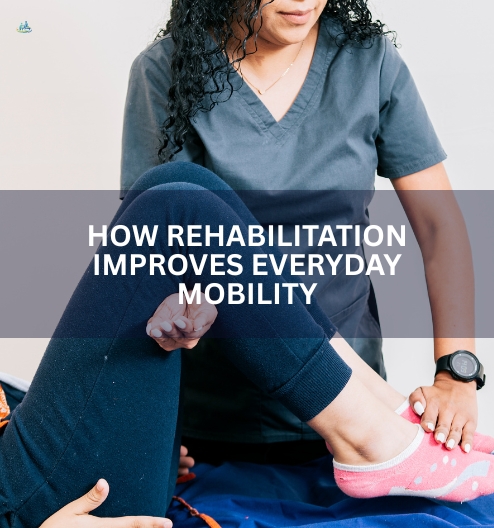
A physiotherapist can help assess your movement and functional limitations and determine whether physiotherapy is appropriate or whether medical assessment is needed.
How Physiotherapy Can Help Sciatica
Physiotherapy isn’t simply about treating the painful area.
A good rehabilitation programme looks at how your symptoms affect movement and daily function.
1. Comprehensive Assessment
Your physiotherapist may assess:
- Pain location
- Symptom behaviour
- Lumbar movement
- Hip mobility
- Muscle strength
- Walking pattern
- Functional movement
- Balance
- Neurological signs when appropriate
- Work demands
- Exercise habits
- Previous injuries
This helps establish an appropriate rehabilitation strategy.
2. Education and Self-Management
Understanding your symptoms can reduce unnecessary fear and help you make better movement decisions.
Your physiotherapist may explain:
- What may be contributing to your symptoms
- Which activities should temporarily be modified
- How to gradually resume normal activities
- Which exercises are appropriate
- How to manage flare-ups
Education is an important component of modern non-surgical musculoskeletal care. WHO recommendations for chronic primary low-back pain emphasize education, self-care, physical interventions, and coordinated person-centred care.
3. Therapeutic Exercise
Exercise is an important component of physiotherapy rehabilitation.
Depending on your assessment, your programme may focus on:
- Core strength
- Hip strength
- Lumbar mobility
- Functional strength
- Flexibility
- Balance
- Walking tolerance
The objective isn’t to find one “magic exercise” for sciatica.
Instead, exercises should be progressively matched to your symptoms, physical capacity, and functional goals.
4. Gradual Return to Activity
Sciatica can make people afraid to move.
However, avoiding all activity for extended periods may contribute to deconditioning and loss of confidence.
Your physiotherapist can help you gradually progress activities such as:
Walking → daily activities → work tasks → exercise → higher-demand activities
The exact progression depends on your symptoms and physical demands.
5. Manual Therapy When Appropriate
Some patients may benefit from hands-on treatment as part of a broader rehabilitation programme.
Depending on the assessment, treatment may include:
- Joint mobilization
- Soft tissue techniques
- Movement-based manual therapy
Manual treatment should complement—not replace—active rehabilitation.
Non-Surgical Strategies You Can Use at Home
Keep Moving Within Your Tolerance
For many people, gentle activity is preferable to prolonged inactivity.
Short walks and regular position changes may help maintain movement.
Avoid Long Periods of Sitting
If sitting aggravates your symptoms:
- Change positions regularly.
- Stand periodically.
- Take short walking breaks.
- Adjust your workstation.
- Avoid remaining in one position for hours.
Modify Heavy Lifting Temporarily
During an acute flare-up, it may be appropriate to temporarily reduce heavy lifting or repetitive bending.
As symptoms improve, physical capacity should gradually be rebuilt rather than avoiding lifting indefinitely.
Follow Your Home Exercise Programme
A personalized exercise programme is more appropriate than randomly selecting exercises from social media or video platforms.
Perform exercises according to the instructions provided by your healthcare professional.
Sciatica and Work
Sciatica can interfere with physically demanding and sedentary occupations alike.
Office workers may struggle with:
- Prolonged sitting
- Driving
- Standing after long periods of sitting
Physical workers may have difficulty with:
- Lifting
- Bending
- Carrying
- Climbing
- Repetitive movements
Physiotherapy can help identify temporary modifications and progressively rebuild the physical capacity needed for your job.
For workplace injuries, additional rehabilitation or WSIB processes may apply depending on the circumstances of the injury.
Common Mistakes That Can Delay Recovery
Staying in Bed for Too Long
Extended inactivity isn’t generally the goal of modern rehabilitation.
Appropriate movement is usually encouraged according to the individual’s condition.
Returning to Heavy Activity Immediately
Feeling somewhat better doesn’t necessarily mean your strength and physical capacity are fully restored.
A gradual progression is often more appropriate.
Treating Every Case the Same
Sciatica has different causes and presentations.
An exercise that works well for one person may not be appropriate for another.
Ignoring Weakness or Numbness
Pain is not the only symptom that matters.
Changes in strength or sensation should be assessed appropriately.
Assuming an MRI Is Always Necessary
Imaging decisions should be based on clinical assessment and whether the result is likely to change management. Routine imaging is not automatically required for every person with back or leg pain.
When Is Sciatica an Emergency?
Most cases of sciatica are not medical emergencies, but certain symptoms require urgent medical assessment.
Seek immediate medical attention if you develop:
- New loss of bladder or bowel control
- Numbness around the groin, genitals, or inner thighs
- Severe or rapidly worsening weakness in the legs
- Significant neurological deterioration
- Serious trauma associated with back symptoms
- Other concerning systemic symptoms such as fever with severe back pain
These symptoms can indicate serious conditions that should not be managed through routine physiotherapy alone.
NICE specifically distinguishes potentially serious neurological complications, including progressive neurological deficit and cauda equina syndrome, from routine non-specific low-back and sciatica management.
How Long Does Sciatica Take to Improve?
There is no single recovery timeline.
Recovery depends on:
- Underlying cause
- Severity
- Duration of symptoms
- Neurological involvement
- General health
- Physical activity
- Work demands
- Response to treatment
- Consistency with rehabilitation
Many episodes of back-related pain improve over weeks to months, but some people develop persistent or recurring symptoms. WHO notes that many acute low-back-pain episodes improve without extensive intervention, while some become persistent.
The goal should therefore be progress, not an arbitrary promise of recovery within a fixed number of days.
Frequently Asked Questions About Sciatica Treatment
Can physiotherapy treat sciatica without surgery?
Yes. Many people with sciatica can be managed conservatively. Physiotherapy may focus on education, exercise, movement restoration, functional rehabilitation, and symptom management.
What is the best treatment for sciatica?
There isn’t one treatment that is best for everyone. Treatment depends on the underlying cause, symptoms, neurological findings, and individual circumstances. A personalized rehabilitation programme is generally more appropriate than a generic treatment plan.
Is walking good for sciatica?
Walking can be a useful form of activity for many people, provided it is tolerated and does not significantly worsen symptoms. Your physiotherapist can help determine an appropriate level of activity.
Can sciatica go away on its own?
Yes, some episodes improve naturally over time. However, persistent, worsening, or function-limiting symptoms should be assessed by an appropriate healthcare professional.
Should I stretch if I have sciatica?
Not necessarily every stretch is appropriate for every presentation. Stretching should be selected based on your assessment and should not significantly aggravate your symptoms.
Can chiropractic care help sciatica?
Some people may benefit from manual therapy as part of conservative care. The most appropriate approach depends on the cause and presentation of your symptoms. Active rehabilitation and exercise remain important components of recovery.
When should I see a physiotherapist?
Consider an assessment when symptoms persist, interfere with work or daily activities, repeatedly return, or are not improving as expected.
Why Choose Georgetown Physiotherapy & Rehabilitation Centre?
At Georgetown Physiotherapy & Rehabilitation Centre, our approach is based on individualized assessment rather than a one-size-fits-all treatment protocol.
Depending on your condition, your rehabilitation plan may include:
- Physiotherapy
- Therapeutic Exercise
- Manual Therapy
- Functional Rehabilitation
- Movement Education
- Strength Training
- Mobility Training
- Massage Therapy
- Chiropractic Care
- Home Exercise Programmes
The objective is to help you understand your condition, restore physical capacity, improve function, and return to the activities that matter to you.
Georgetown Physiotherapy & Rehabilitation Centre
Address: 333 Mountainview Rd S, Unit #2, Georgetown, ON L7G 5S5, Canada
Phone: +1 905-702-6633
Email: info@georgetownphysiotherapy.ca
Website: https://georgetownphysiotherapy.ca/