

 Call For Appointment
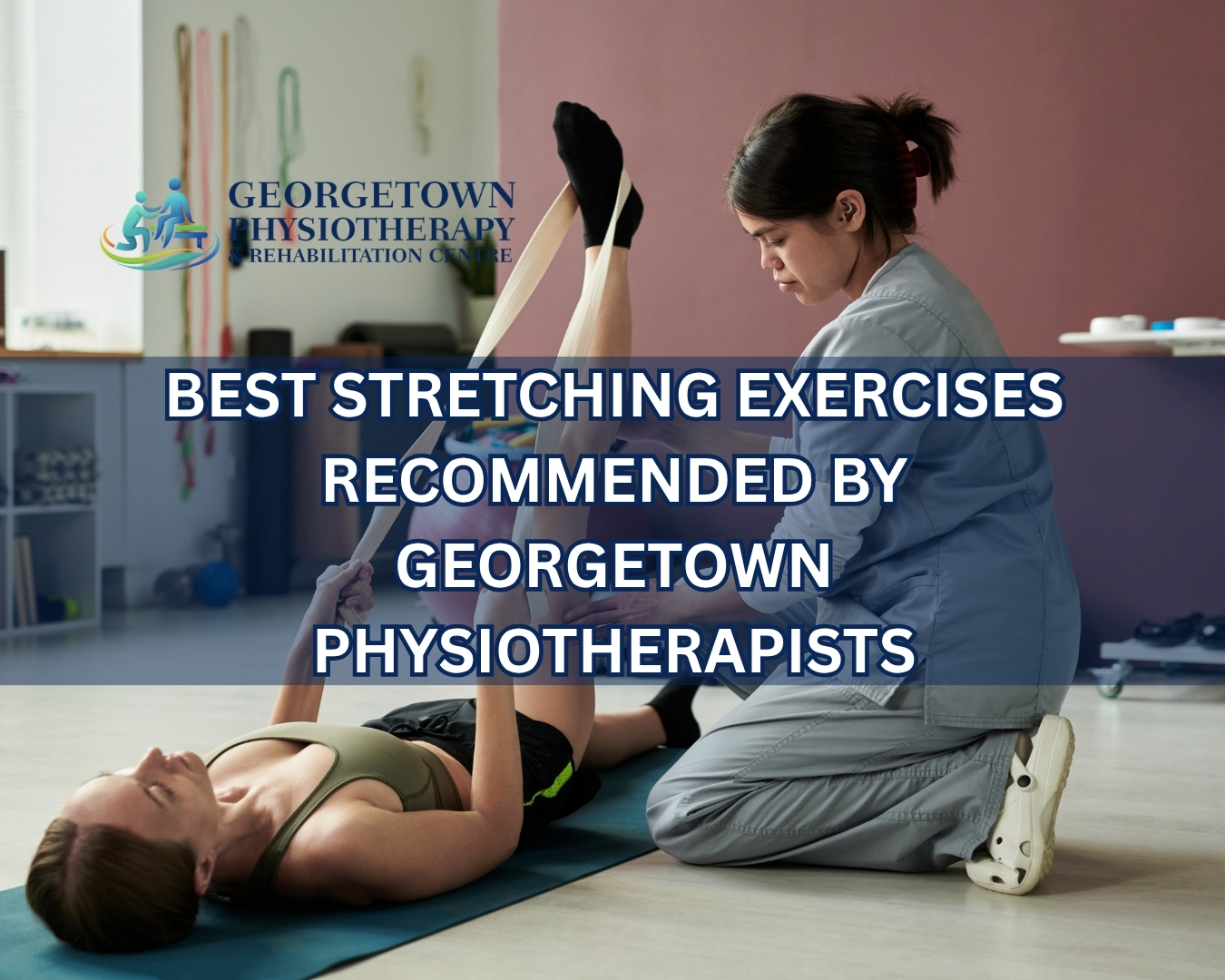
Best Stretching Exercises Recommended by Georgetown Physiotherapists
Stretching plays an important role in maintaining flexibility, improving mobility, and preventing muscle tension. Whether you spend long hours sitting at a desk, participate in sports activities, or perform physically demanding work, regular stretching can help reduce stiffness and support overall physical wellness.
Unfortunately, many people ignore flexibility and mobility until pain or discomfort begins affecting daily life. However, consistent stretching routines may help improve posture, reduce injury risks, and support long-term joint health.
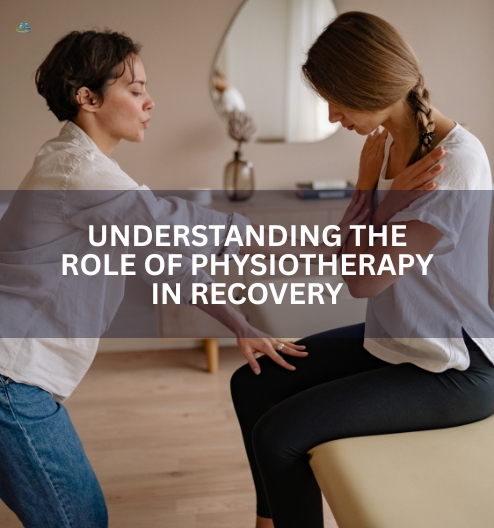
Today, many residents searching for professional rehabilitation support rely on physiotherapy programs that include guided stretching exercises for pain relief and mobility improvement.
Georgetown Physiotherapy & Rehabilitation Centre provides personalized physiotherapy and rehabilitation programs designed to improve flexibility, reduce muscle tension, and restore healthy movement patterns.
Why Stretching Is Important
Muscles and joints become tight due to prolonged sitting, repetitive movements, stress, poor posture, and lack of physical activity. As a result, flexibility decreases and movement becomes more restricted over time.
Regular stretching may help:
- Improve flexibility
- Reduce muscle stiffness
- Improve posture
- Increase circulation
- Reduce injury risks
- Improve joint mobility
- Support recovery after exercise
- Relieve muscle tension
Additionally, stretching helps the body move more efficiently during daily activities and physical exercise.
Benefits of Stretching for Office Workers
Many office workers spend hours sitting at desks or using computers. Consequently, tight hips, neck tension, shoulder stiffness, and lower back discomfort become common problems.
Stretching exercises may help office workers by:
- Improving posture
- Reducing neck and shoulder tension
- Improving spinal mobility
- Reducing lower back stiffness
- Improving circulation during long work hours
Furthermore, short stretching breaks throughout the day may improve comfort and productivity.
Benefits of Stretching for Athletes
Athletes and physically active individuals place repeated stress on muscles and joints during training and competition. Without proper flexibility, the risk of injuries may increase significantly.
Stretching may help athletes:
- Improve flexibility
- Reduce muscle soreness
- Improve athletic performance
- Support recovery after workouts
- Reduce injury risks
- Improve balance and coordination
Because of these benefits, stretching is commonly included in sports rehabilitation programs.
Best Stretching Exercises for Flexibility and Mobility
Below are some commonly recommended stretching exercises used in physiotherapy and rehabilitation programs.
1. Hamstring Stretch
Tight hamstrings often contribute to lower back pain and reduced flexibility.
How to Perform:
- Sit on the floor with one leg extended
- Reach gently toward the toes
- Keep the back straight
- Hold for 20 to 30 seconds
Benefits:
- Improves leg flexibility
- Reduces lower back tension
- Improves mobility
2. Cat-Camel Stretch
This exercise improves spinal flexibility and reduces stiffness in the back.
How to Perform:
- Begin on hands and knees
- Slowly arch the back upward
- Then lower the stomach toward the floor
- Repeat slowly several times
Benefits:
- Improves spinal mobility
- Reduces lower back stiffness
- Improves posture awareness
3. Hip Flexor Stretch
Long periods of sitting often tighten the hip flexor muscles.
How to Perform:
- Step one foot forward into a lunge position
- Gently push the hips forward
- Hold the stretch comfortably
Benefits:
- Improves hip mobility
- Reduces lower back strain
- Supports posture improvement
4. Shoulder Stretch
Shoulder tension commonly develops from desk work, stress, and repetitive movements.
How to Perform:
- Bring one arm across the chest
- Use the opposite arm to hold the stretch
- Keep shoulders relaxed
Benefits:
- Reduces shoulder tension
- Improves upper body flexibility
- Supports posture correction
5. Neck Stretch
Neck stiffness is extremely common among office workers and individuals using electronic devices frequently.
How to Perform:
- Gently tilt the head toward one shoulder
- Hold briefly
- Repeat on the opposite side
Benefits:
- Reduces neck tension
- Improves flexibility
- Helps reduce stress-related stiffness
6. Piriformis Stretch
Tight hip muscles may contribute to lower back pain and sciatic discomfort.
How to Perform:
- Lie on your back
- Cross one ankle over the opposite knee
- Gently pull the leg toward the chest
Benefits:
- Improves hip flexibility
- Reduces sciatic tension
- Improves lower body mobility
7. Child’s Pose Stretch
This gentle stretch helps relax the spine and surrounding muscles.
How to Perform:
- Kneel on the floor
- Sit back toward the heels
- Stretch arms forward on the ground
Benefits:
- Relieves back tension
- Promotes relaxation
- Improves spinal flexibility
8. Calf Stretch
Tight calf muscles may affect walking mechanics and lower body movement.
How to Perform:
- Place hands against a wall
- Step one foot backward
- Keep the heel on the floor while leaning forward
Benefits:
- Improves ankle flexibility
- Reduces lower leg tightness
- Supports balance and mobility
Tips for Safe Stretching
Although stretching is beneficial, performing exercises incorrectly may increase discomfort or injury risks.
Important stretching tips include:
- Stretch slowly and gently
- Avoid bouncing movements
- Never force painful stretches
- Maintain steady breathing
- Stretch consistently
- Warm up before intense stretching
Additionally, stretches should be customized according to each person’s flexibility level and physical condition.
How Physiotherapists Help with Stretching Programs
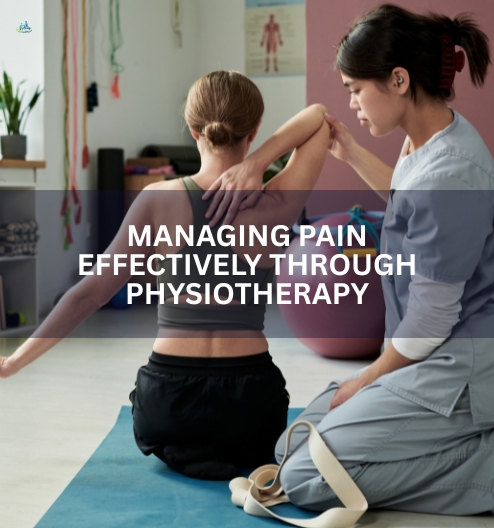
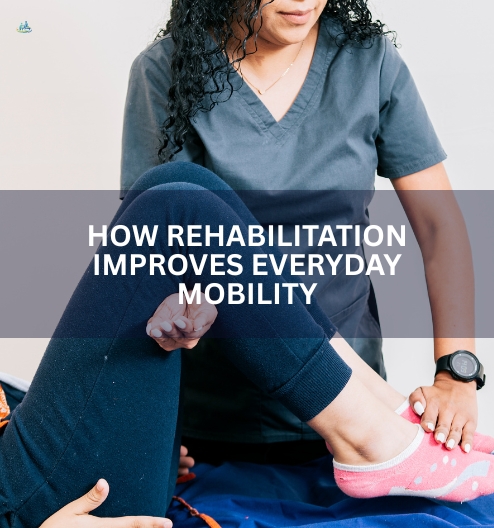
Professional physiotherapists evaluate posture, mobility limitations, and muscle imbalances before recommending stretching exercises.
At Georgetown Physiotherapy & Rehabilitation Centre, physiotherapists help patients:
- Improve flexibility safely
- Reduce muscle tension
- Improve posture
- Recover from injuries
- Improve movement patterns
- Prevent recurring discomfort
Because every patient’s condition is different, rehabilitation programs are always personalized according to individual needs and recovery goals.
Stretching for Lower Back Pain Prevention
Lower back discomfort often develops because of tight hips, weak core muscles, and poor posture. Fortunately, stretching exercises may help reduce pressure on the lower back while improving spinal flexibility.
Helpful stretches for lower back support may include:
- Hamstring stretches
- Hip flexor stretches
- Cat-camel stretches
- Child’s pose
- Pelvic mobility exercises
Consequently, regular stretching often improves movement and reduces stiffness during daily activities.
Stretching and Posture Improvement
Poor posture may contribute to neck pain, shoulder tension, and lower back discomfort. In many cases, stretching tight muscles helps improve posture naturally.
Stretching programs often focus on:
- Chest flexibility
- Hip mobility
- Shoulder mobility
- Spinal flexibility
- Neck mobility
Furthermore, combining stretching with strengthening exercises helps improve long-term posture support.
When Should You Seek Professional Help?
Although stretching is beneficial, ongoing pain or severe stiffness should not be ignored.
You should consider professional physiotherapy if you experience:
- Persistent muscle tightness
- Limited flexibility
- Recurring injuries
- Chronic back or neck pain
- Sciatica symptoms
- Difficulty moving comfortably
Early rehabilitation may help prevent minor mobility problems from becoming more serious conditions.
Why Georgetown Residents Choose Professional Rehabilitation Clinics
Choosing a trusted local rehabilitation clinic makes ongoing treatment and flexibility training more convenient. Since mobility improvement often requires consistency, many Georgetown residents prefer nearby physiotherapy services.
Patients commonly look for clinics that provide:
- Personalized stretching programs
- Experienced physiotherapists
- Flexible appointment scheduling
- Modern rehabilitation techniques
- Multiple therapy services under one roof
- Patient-focused care
Georgetown Physiotherapy & Rehabilitation Centre continues helping local residents improve flexibility, reduce muscle tension, and restore mobility through professional physiotherapy and rehabilitation services.
Improve Your Flexibility and Mobility Today
Stretching should be an important part of every wellness and rehabilitation routine. Fortunately, consistent flexibility exercises can help improve posture, reduce muscle tension, prevent injuries, and support long-term physical health.
Whether you are an office worker, athlete, or simply looking to improve movement and reduce stiffness, professional physiotherapy guidance can help you stretch safely and effectively.
Contact Information
Georgetown Physiotherapy & Rehabilitation Centre
333 Mountainview Rd S, Unit #2
Georgetown, ON L7G 5S5
Canada
- Phone: +1 905 702 6633
- Email: info@georgetownphysiotherapy.ca
- Website: Georgetown Physiotherapy & Rehabilitation Centre