




 Call For Appointment
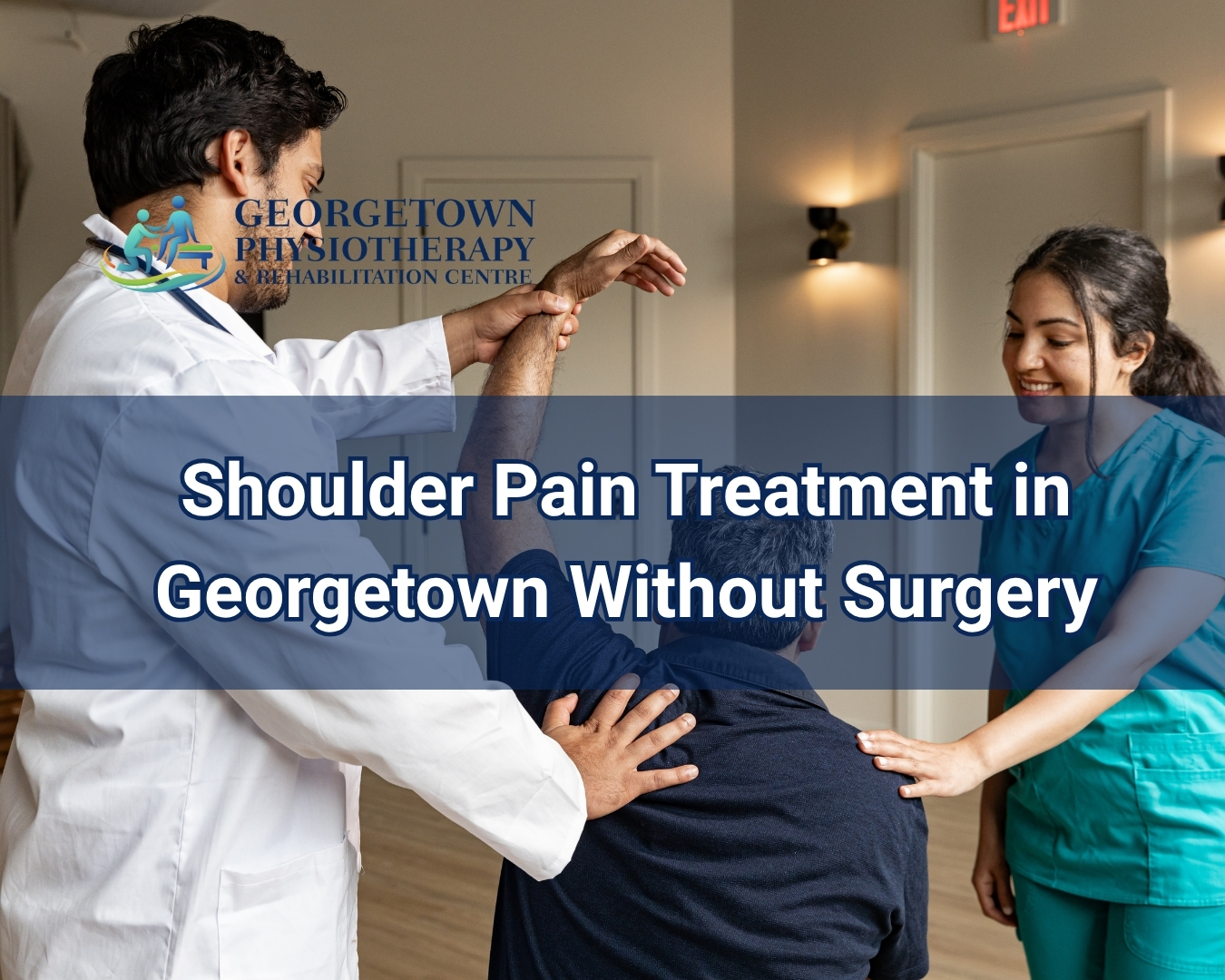
Shoulder Pain Treatment in Georgetown Without Surgery
Sciatica is one of the most common causes of lower back and leg pain, affecting people of all ages and activity levels. The condition can range from mild discomfort to severe, debilitating pain that interferes with walking, sitting, sleeping, working, and enjoying everyday activities.
For many Georgetown residents, sciatica begins as occasional lower back discomfort and gradually develops into sharp, radiating pain that travels through the buttock and down the leg. While the symptoms can be alarming, the good news is that most cases of sciatica respond well to conservative, non-surgical treatment.
At Georgetown Physiotherapy & Rehabilitation Centre, we help patients find long-term relief through personalized rehabilitation programs that target the root cause of sciatic nerve irritation and support lasting recovery.
What Is Sciatica?
Sciatica is not a condition itself but rather a collection of symptoms caused by irritation, compression, or inflammation of the sciatic nerve. The sciatic nerve is the largest nerve in the body, running from the lower back through the hips and buttocks and down each leg.
When this nerve becomes compressed or irritated, symptoms may develop anywhere along its pathway.
Common Symptoms of Sciatica
Sciatica symptoms vary from person to person but often include:
- Sharp or shooting pain down one leg
- Lower back pain
- Buttock pain
- Tingling sensations
- Numbness
- Burning pain
- Muscle weakness
- Pain that worsens while sitting
Many people experience symptoms on only one side of the body.
What Causes Sciatica?
Several conditions can place pressure on the sciatic nerve.
Herniated Disc
One of the most common causes of sciatica is a herniated or bulging spinal disc pressing against nerve roots in the lower back.
Spinal Stenosis
Narrowing of the spinal canal can compress nerve structures and trigger sciatic symptoms.
Degenerative Changes
Age-related changes in the spine can contribute to nerve irritation and chronic symptoms.
Piriformis Syndrome
A tight or irritated piriformis muscle in the buttock may place pressure on the sciatic nerve.
Workplace and Lifestyle Factors
Risk factors include:
- Prolonged sitting
- Poor posture
- Repetitive lifting
- Sedentary lifestyles
- Physically demanding jobs
These factors can increase stress on the lower back and contribute to nerve irritation.
Why Early Treatment Is Important
Many people hope sciatica will simply disappear on its own. While some cases improve naturally, delaying treatment can increase the risk of:
- Chronic pain
- Reduced mobility
- Muscle weakness
- Ongoing nerve irritation
- Activity limitations
Early intervention often helps reduce symptoms and prevent long-term complications.
Treatment Option #1: Physiotherapy
Physiotherapy is considered one of the primary non-surgical approaches for managing sciatica and is commonly recommended as a first-line treatment.
How Physiotherapy Helps
A physiotherapist evaluates:
- Posture
- Mobility
- Muscle strength
- Flexibility
- Movement patterns
- Functional limitations
Based on the assessment, a personalized treatment plan is created.
Physiotherapy Treatments May Include:
- Therapeutic exercises
- Manual therapy
- Stretching programs
- Core strengthening
- Mobility training
- Postural correction
- Functional rehabilitation
The goal is to reduce nerve compression, improve movement, and prevent recurrence.
Treatment Option #2: Targeted Exercise Programs
Exercise is one of the most effective long-term strategies for managing sciatica symptoms. Physical therapy and exercise are widely recommended to relieve symptoms and reduce recurrence.
Benefits of Exercise
Exercise can help:
- Strengthen core muscles
- Improve spinal stability
- Enhance flexibility
- Improve circulation
- Reduce nerve irritation
Common exercises may include:
- Pelvic tilts
- Bridges
- Bird-dog exercises
- Hamstring stretches
- Nerve gliding exercises
- Core stabilization exercises
Research suggests that exercise programs combined with nerve mobilization techniques may improve pain and function.
Treatment Option #3: Chiropractic Care
Chiropractic care may help improve spinal mobility and address joint restrictions contributing to nerve irritation.
Treatment may include:
- Spinal mobilization
- Joint movement techniques
- Postural correction
- Movement assessments
For some patients, chiropractic care can complement physiotherapy by improving mobility and supporting overall function.
Treatment Option #4: Massage Therapy
Massage therapy can be highly beneficial for individuals experiencing muscle tension associated with sciatica.
Benefits Include:
- Reduced muscle tightness
- Improved circulation
- Enhanced flexibility
- Reduced stress-related tension
- Improved comfort during movement
Massage therapy is often used alongside physiotherapy to support recovery and improve mobility.
Treatment Option #5: Laser Therapy
Laser therapy is a non-invasive treatment that may help reduce inflammation and support the body’s natural healing processes.
Potential benefits include:
- Pain reduction
- Improved circulation
- Tissue healing support
- Reduced inflammation
Many patients appreciate that laser therapy is drug-free and comfortable to receive.
Treatment Option #6: Posture and Ergonomic Correction
Poor posture and prolonged sitting are common contributors to sciatica.
Workplace Adjustments May Include:
- Proper chair support
- Monitor positioning
- Regular movement breaks
- Improved sitting posture
- Standing workstation options
Addressing these factors helps reduce ongoing stress on the lower back and sciatic nerve.
Treatment Option #7: Lifestyle Modifications
Successful sciatica treatment often involves changes outside the clinic.
Stay Active
Prolonged bed rest is generally not recommended. Remaining moderately active often supports better outcomes.
Maintain a Healthy Weight
Excess weight can increase pressure on the spine and contribute to symptoms.
Improve Flexibility
Regular stretching helps maintain healthy movement patterns and reduce tension.
Strengthen Core Muscles
Strong abdominal and spinal stabilizing muscles help support the lower back and reduce future injury risk.
When Should You Seek Professional Help?
You should consider a professional assessment if:
- Pain lasts longer than a few weeks
- Symptoms worsen over time
- Walking becomes difficult
- Weakness develops in the leg
- Numbness increases
- Pain interferes with work or sleep
Early treatment often leads to faster recovery and improved long-term outcomes.
How Georgetown Physiotherapy & Rehabilitation Centre Can Help
At Georgetown Physiotherapy & Rehabilitation Centre, we provide comprehensive treatment programs designed to address both the symptoms and underlying causes of sciatica.
Our services include:
- Physiotherapy
- Chiropractic Care
- Massage Therapy
- Laser Therapy
- Postural Assessments
- Personalized Rehabilitation Programs
Each treatment plan is tailored to the patient’s condition, lifestyle, and recovery goals.
Start Your Recovery From Sciatica Today
Sciatica can significantly affect your comfort, mobility, and quality of life, but surgery is not the only solution. In many cases, conservative treatment approaches can successfully reduce pain, improve function, and help patients return to their normal activities.
Whether your symptoms are caused by a herniated disc, spinal changes, muscle tension, or prolonged sitting, a personalized rehabilitation program can help address the root cause and support lasting relief.
Contact our team today to learn more about our sciatica treatment services and take the first step toward better mobility, reduced pain, and improved quality of life.
Georgetown Physiotherapy & Rehabilitation Centre
333 Mountainview Rd S, Unit #2Georgetown, ON L7G 5S5, Canada
Phone: +1 905-702-6633
Website: https://georgetownphysiotherapy.ca/
Email: info@georgetownphysiotherapy.ca
Internal Link Suggestions
- Top Causes of Lower Back Pain Among Georgetown Office Workers
- Neck Pain Treatment in Georgetown: Common Causes and Solutions
- Benefits of Combining Physiotherapy and Chiropractic Care in Georgetown
- Natural Pain Relief Treatments Available in Georgetown
- MVA Injury Care in Georgetown
- Physiotherapy Near Me in Georgetown