


 Call For Appointment
Physiotherapy After Knee Replacement Surgery in Georgetown
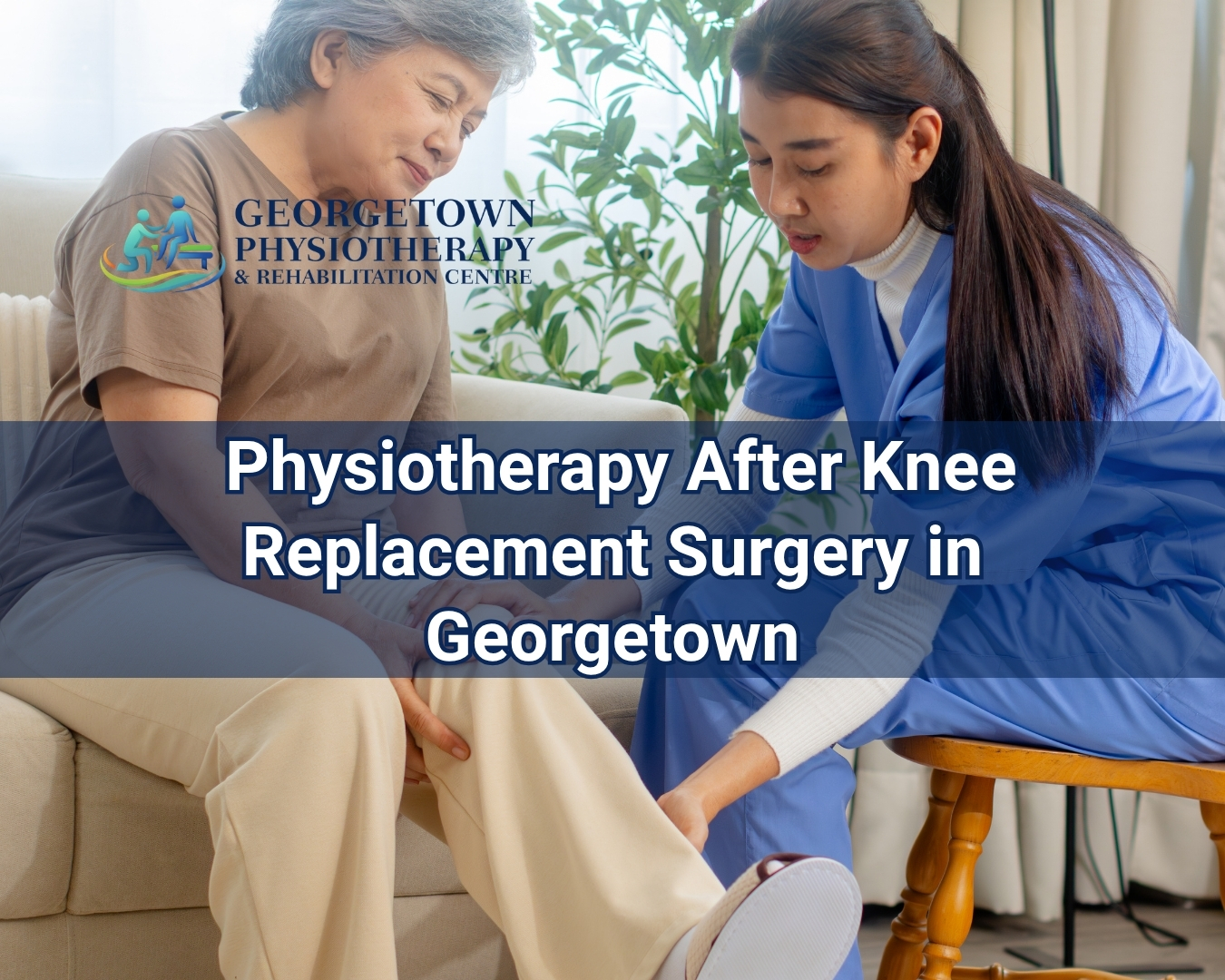
Knee replacement surgery can be a life-changing procedure for individuals struggling with severe knee pain, arthritis, and mobility limitations. While surgery can help reduce pain and improve joint function, the operation itself is only one part of the recovery journey. The success of a knee replacement often depends heavily on what happens after the procedure—particularly rehabilitation and physiotherapy.
If you’ve recently undergone knee replacement surgery or are planning for one, you may be searching for “physiotherapy near me in Georgetown” to support your recovery. Physiotherapy plays a critical role in helping patients regain strength, restore mobility, improve balance, and safely return to their daily activities.
At Georgetown Physiotherapy & Rehabilitation Centre, we provide personalized post-surgical rehabilitation programs designed to help patients recover confidently and achieve the best possible outcomes following knee replacement surgery.
Understanding Knee Replacement Surgery
Knee replacement surgery, also known as knee arthroplasty, involves replacing damaged parts of the knee joint with artificial components.
The procedure is commonly recommended for individuals experiencing:
- Severe osteoarthritis
- Chronic knee pain
- Significant joint damage
- Reduced mobility
- Difficulty performing daily activities
Many patients choose knee replacement surgery after conservative treatments such as medication, injections, and rehabilitation no longer provide sufficient relief.
Although surgery addresses damaged joint surfaces, restoring movement and function requires a structured rehabilitation plan.
Why Physiotherapy Is Essential After Knee Replacement
Some patients assume recovery will occur naturally after surgery.
While healing does occur over time, physiotherapy is often essential for helping patients:
- Regain mobility
- Improve flexibility
- Restore strength
- Improve balance
- Reduce swelling
- Improve walking ability
- Return to daily activities
Without proper rehabilitation, stiffness, weakness, and mobility limitations may persist longer than necessary.
Physiotherapy helps ensure that patients make steady progress throughout recovery.
Goals of Post-Surgical Physiotherapy
Every rehabilitation program is designed around specific recovery goals.
Reduce Pain and Swelling
Pain and swelling are common following surgery.
Physiotherapy helps manage these symptoms through:
- Controlled movement
- Exercise progression
- Mobility training
- Circulation-enhancing activities
Reducing swelling often helps improve comfort and movement.
Restore Knee Mobility
One of the most important priorities after knee replacement is restoring range of motion.
Patients commonly experience:
- Difficulty bending the knee
- Difficulty straightening the knee
- Joint stiffness
Physiotherapists use targeted exercises to gradually improve mobility and restore normal movement patterns.
Rebuild Strength
Muscle weakness is common after surgery.
The muscles most affected often include:
- Quadriceps
- Hamstrings
- Calves
- Gluteal muscles
Strengthening these muscle groups helps support the new joint and improve overall function.
Improve Walking Ability
Many patients initially require:
- Walkers
- Canes
- Assistive devices
Physiotherapy helps improve walking mechanics, confidence, and balance while gradually reducing reliance on support devices.
Restore Independence
Ultimately, rehabilitation aims to help patients return to:
- Walking comfortably
- Climbing stairs
- Driving
- Shopping
- Household activities
- Recreational activities
Improved independence is one of the most rewarding outcomes of successful recovery.
What to Expect During Physiotherapy After Knee Replacement
Every patient recovers at a different pace.
At Georgetown Physiotherapy & Rehabilitation Centre, treatment begins with a comprehensive assessment.
Your physiotherapist evaluates:
- Pain levels
- Swelling
- Mobility
- Strength
- Walking ability
- Functional limitations
- Recovery goals
This assessment helps guide a personalized treatment plan.
Early Recovery Phase
During the first few weeks after surgery, treatment often focuses on:
Pain and Swelling Management
Strategies may include:
- Gentle movement exercises
- Positioning recommendations
- Mobility training
Range of Motion Exercises
Improving knee movement early in recovery is often a key priority.
Exercises focus on:
- Knee bending
- Knee extension
- Joint mobility
Walking Training
Physiotherapists help patients develop safe and efficient walking patterns while using appropriate support devices.
Mid-Recovery Phase
As healing progresses, rehabilitation becomes more active.
Strengthening Exercises
Programs may include exercises designed to strengthen:
- Quadriceps
- Hamstrings
- Hip muscles
- Core muscles
- Stability
- Coordination
- Confidence
Functional Activities
Patients begin practicing movements required for daily life, such as:
- Sitting and standing
- Stair climbing
- Walking longer distances
Advanced Recovery Phase
In later stages of rehabilitation, treatment focuses on helping patients return to normal activities.
Goals may include:
- Improved endurance
- Greater mobility
- Enhanced strength
- Increased activity participation
Depending on individual goals, patients may work toward:
- Recreational walking
- Golf
- Gardening
- Fitness activities
- Travel
Common Challenges During Recovery
While most patients make steady progress, some challenges may arise.
Knee Stiffness
Stiffness is common and may limit movement if not addressed through rehabilitation.
Swelling
Persistent swelling can affect comfort and mobility.
Weakness
Muscle strength often takes time to rebuild following surgery.
Fear of Movement
Some patients feel hesitant to move the knee due to discomfort or concern about damaging the new joint.
Physiotherapists provide guidance and reassurance throughout the recovery process.
How Long Does Recovery Take?
Recovery timelines vary based on several factors, including:
- Age
- Overall health
- Pre-surgery fitness level
- Surgical outcome
- Rehabilitation participation
Many patients notice significant improvements within several weeks, while full recovery may continue for several months.
Consistency with physiotherapy and home exercises often plays a major role in recovery success.
Additional Treatments That May Support Recovery
At Georgetown Physiotherapy & Rehabilitation Centre, additional rehabilitation services may complement physiotherapy when appropriate.
Massage Therapy
Massage therapy may help:
- Reduce muscle tension
- Improve circulation
- Promote relaxation
Chiropractic Care
Some patients benefit from chiropractic care to help improve mobility and movement quality in surrounding joints.
Laser Therapy
Laser therapy may help:
- Reduce inflammation
- Support tissue healing
- Improve circulation
- Manage discomfort
These services may be incorporated into a broader rehabilitation plan when appropriate.
Tips for a Successful Recovery
Follow Your Exercise Program
Consistency is one of the most important factors in recovery.
Stay Active
Appropriate movement helps improve mobility and strength.
Attend Scheduled Appointments
Regular physiotherapy sessions help ensure steady progress.
Be Patient
Recovery is a gradual process that requires time and dedication.
Communicate With Your Healthcare Team
Discuss any concerns, symptoms, or challenges that arise during rehabilitation.
Why Georgetown Residents Choose Georgetown Physiotherapy & Rehabilitation Centre
Patients recovering from knee replacement surgery trust Georgetown Physiotherapy & Rehabilitation Centre because of our personalized and patient-centered approach.
We provide:
- Post-Surgical Physiotherapy
- Physiotherapy
- Massage Therapy
- Chiropractic Care
- Laser Therapy
- Mobility and Strength Rehabilitation Programs
Our treatment philosophy focuses on:
Every rehabilitation program is customized to meet the patient’s unique recovery goals.
Regain Mobility and Confidence After Knee Replacement
Knee replacement surgery is an important step toward improved mobility and reduced pain, but successful recovery requires commitment to rehabilitation.
Physiotherapy provides the guidance, support, and structured exercise programs necessary to help patients regain strength, improve movement, and return to the activities they enjoy.
If you’re searching for physiotherapy near me in Georgetown after knee replacement surgery, Georgetown Physiotherapy & Rehabilitation Centre is here to help.
Our experienced team is committed to helping patients achieve safe, effective, and successful recovery outcomes through personalized rehabilitation programs.
Contact Georgetown Physiotherapy & Rehabilitation Centre
Address:
333 Mountainview Rd S, Unit #2
Georgetown, ON L7G 5S5, Canada
Phone: +1 905-702-6633
Website: Georgetown Physiotherapy & Rehabilitation Centre
Email: info@georgetownphysiotherapy.ca
Internal Link Suggestions
- Arthritis Treatment in Georgetown: How Physiotherapy Helps You Stay Active
- Best Exercises Recommended by Georgetown Physiotherapists for Knee Pain
- Why Georgetown Seniors Benefit from Regular Physiotherapy
- Physiotherapy Near Me in Georgetown: What to Expect During Your First Visit
- The Benefits of Combining Physiotherapy, Chiropractic Care, and Massage Therapy
- Why Georgetown Residents Trust Georgetown Physiotherapy & Rehabilitation Centre for Recovery