




 Call For Appointment
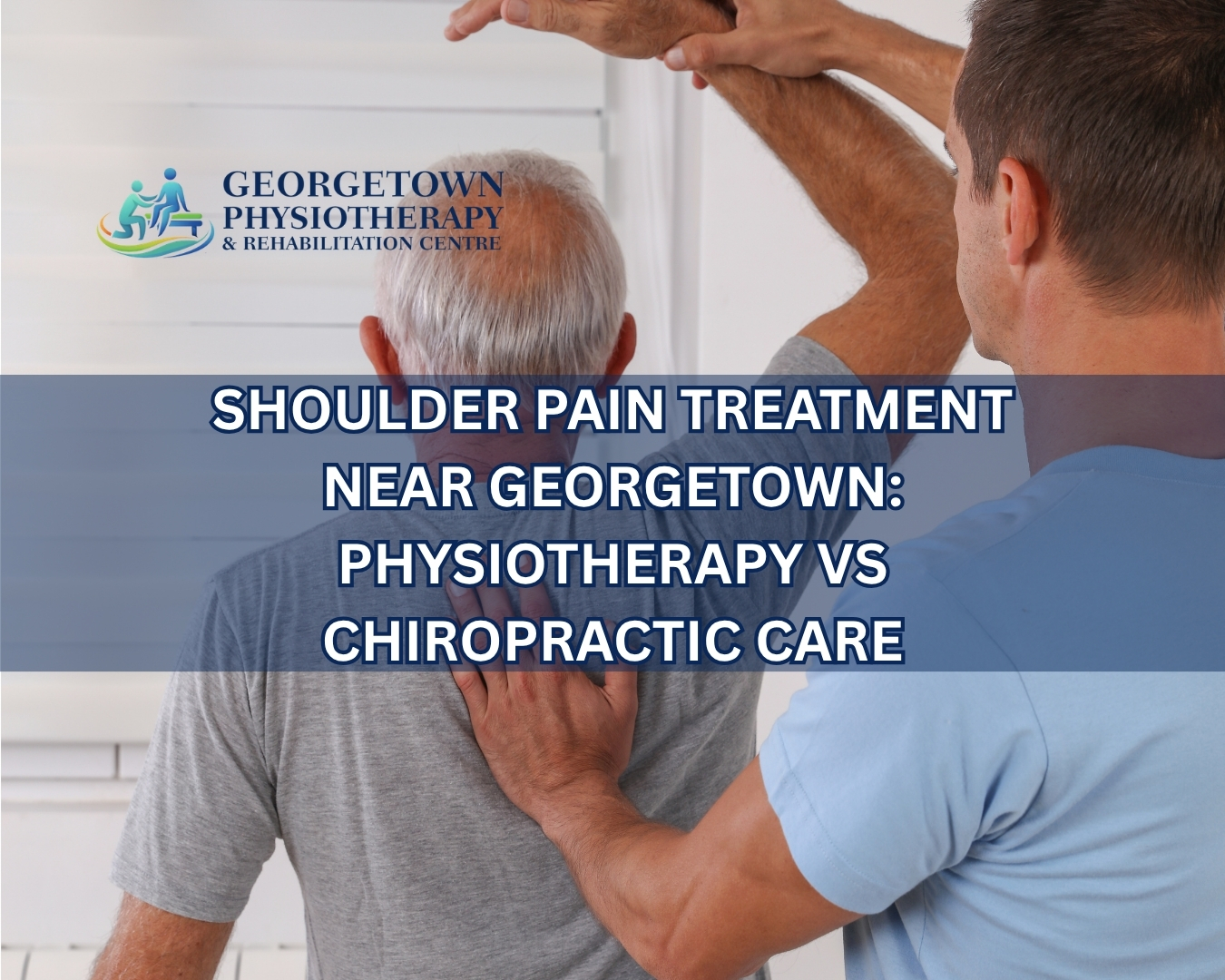
Shoulder Pain Treatment Near Georgetown: Physiotherapy vs Chiropractic Care
Shoulder pain can affect almost every part of daily life. Simple activities such as lifting objects, reaching overhead, working at a desk, exercising, or even sleeping comfortably may become difficult when shoulder discomfort develops. In many cases, untreated shoulder pain can gradually worsen and limit mobility over time.
Fortunately, professional rehabilitation treatments can help reduce pain, improve movement, and restore strength naturally. Many residents searching for shoulder pain treatment near Georgetown now choose physiotherapy and chiropractic care to manage discomfort safely and support long-term recovery.
Common Causes of Shoulder Pain
The shoulder is one of the most mobile joints in the body. However, because it moves frequently throughout the day, it is also vulnerable to injuries and strain.
Common causes of shoulder pain include:
- Rotator cuff injuries
- Muscle strains
- Tendonitis
- Frozen shoulder
- Sports injuries
- Poor posture
- Repetitive workplace movements
- Joint inflammation
- Nerve irritation
- Shoulder instability
Additionally, long hours sitting at desks or using computers may contribute to shoulder tension and posture-related discomfort.
Symptoms That Should Not Be Ignored
Although minor soreness may improve temporarily, ongoing shoulder pain often requires professional evaluation.
Common symptoms include:
- Difficulty lifting the arm
- Pain during movement
- Shoulder stiffness
- Weakness in the arm
- Pain while sleeping
- Clicking or popping sensations
- Reduced range of motion
- Neck and upper back tension
Because shoulder conditions may worsen over time, early treatment often leads to better recovery outcomes.
Why Early Treatment Matters
Ignoring shoulder pain may increase inflammation, stiffness, and muscle weakness. Furthermore, limited movement can affect work performance, sports participation, and everyday activities.
Seeking early rehabilitation may help:
- Reduce inflammation
- Improve mobility
- Restore flexibility
- Rebuild shoulder strength
- Reduce muscle tension
- Prevent chronic pain
- Improve posture and movement patterns
Consequently, patients often recover more effectively when treatment begins early.
What Is Physiotherapy for Shoulder Pain?
Physiotherapy focuses on improving movement, strength, flexibility, and joint function through targeted rehabilitation exercises and hands-on treatment techniques.
Rather than only reducing symptoms temporarily, physiotherapy aims to address the root cause of shoulder pain.
Depending on the condition, physiotherapy treatment may include:
- Stretching exercises
- Strengthening programs
- Manual therapy
- Mobility exercises
- Posture correction
- Soft tissue therapy
- Laser therapy
Together, these treatments help restore proper shoulder movement while improving muscle support around the joint.
Benefits of Physiotherapy for Shoulder Pain
Physiotherapy may help patients:
- Improve shoulder mobility
- Reduce stiffness
- Strengthen weak muscles
- Improve posture
- Reduce inflammation
- Recover after injuries
- Prevent recurring shoulder problems
Additionally, rehabilitation exercises help improve long-term joint stability and physical function.
What Is Chiropractic Care for Shoulder Pain?
Chiropractic care focuses on improving spinal alignment, joint mobility, and nervous system function. In many cases, shoulder pain may be connected to spinal restrictions, posture-related issues, or neck tension.
Chiropractic treatment may include:
- Joint mobilization
- Spinal adjustments
- Posture correction
- Mobility improvement techniques
- Muscle tension reduction
Because the neck, upper back, and shoulders work together closely, improving spinal movement may help reduce shoulder discomfort.
Benefits of Chiropractic Care for Shoulder Pain
Chiropractic care may help patients:
- Improve joint movement
- Reduce upper back and neck tension
- Improve posture
- Relieve stiffness
- Improve mobility naturally
- Support overall spinal health
Furthermore, chiropractic care may complement physiotherapy rehabilitation programs for more comprehensive recovery.
Physiotherapy vs Chiropractic Care: What’s the Difference?
Although both treatments focus on improving mobility and reducing pain, physiotherapy and chiropractic care use different approaches.
Physiotherapy Focuses On:
- Muscle strengthening
- Rehabilitation exercises
- Injury recovery
- Flexibility improvement
- Functional movement training
Chiropractic Care Focuses On:
- Spinal alignment
- Joint mobility
- Nervous system function
- Posture correction
- Reducing joint restrictions
In many situations, combining both treatments may provide better overall recovery outcomes.
Which Treatment Is Better for Shoulder Pain?
The best treatment depends on the underlying cause of shoulder pain, mobility limitations, posture, and lifestyle factors.
For example:
- Muscle weakness and injury recovery often benefit from physiotherapy
- Posture-related stiffness and spinal restrictions may improve with chiropractic care
- Sports injuries frequently require combined rehabilitation approaches
- Chronic shoulder tension may respond well to both therapies together
Therefore, professional assessment remains important for determining the most effective rehabilitation plan.
Physiotherapy Exercises for Shoulder Pain
Specific exercises can help strengthen muscles supporting the shoulder joint while improving flexibility and mobility.
Common rehabilitation exercises may include:
- Shoulder blade squeezes
- Pendulum stretches
- Resistance band exercises
- Rotator cuff strengthening
- Wall stretches
- Posture correction exercises
Importantly, exercises should always be customized according to the patient’s condition and pain level.
Additional Therapy Options for Shoulder Pain
In many cases, shoulder rehabilitation includes multiple therapy methods to improve recovery speed and long-term results.
Additional treatments may include:
Laser Therapy
Helps reduce inflammation and supports tissue healing naturally.
Massage Therapy
Improves circulation while reducing muscle tension and stiffness.
Soft Tissue Therapy
Helps release tight muscles and improve mobility.
Posture Correction Programs
Address movement habits contributing to shoulder discomfort.
Combined rehabilitation often produces more effective long-term results.
Preventing Future Shoulder Problems
Preventing recurring shoulder pain is just as important as treatment. Fortunately, small lifestyle adjustments may help reduce strain on the shoulder joint.
Helpful prevention tips include:
- Maintaining proper posture
- Taking movement breaks during work
- Stretching regularly
- Strengthening upper body muscles
- Avoiding repetitive strain
- Using proper lifting techniques
Additionally, consistent rehabilitation exercises may improve shoulder stability and mobility over time.
Personalized Shoulder Rehabilitation Programs
Every patient experiences shoulder pain differently. Therefore, rehabilitation plans should always be customized according to the individual’s condition and recovery goals.
At Georgetown Physiotherapy & Rehabilitation Centre, rehabilitation professionals evaluate:
- Pain levels
- Shoulder mobility
- Muscle strength
- Posture and movement patterns
- Injury severity
- Daily activity limitations
Because of this personalized approach, patients receive targeted rehabilitation focused on long-term recovery and improved physical function.
Why Georgetown Residents Choose Professional Rehabilitation Clinics
Choosing a trusted local rehabilitation clinic makes ongoing treatment more convenient and consistent. Since shoulder recovery often requires multiple therapy sessions, many Georgetown residents prefer nearby rehabilitation services.
Patients commonly look for clinics that provide:
- Personalized treatment plans
- Experienced rehabilitation professionals
- Flexible appointment scheduling
- Modern therapy techniques
- Multiple rehabilitation services under one roof
- Patient-focused care
Georgetown Physiotherapy & Rehabilitation Centre continues helping local residents recover from shoulder pain through professional physiotherapy and chiropractic rehabilitation services.
Start Your Recovery Journey Today
Whether you are dealing with sports injuries, posture-related tension, or chronic shoulder discomfort, personalized rehabilitation services can help restore mobility and confidence.
Contact Information
Georgetown Physiotherapy & Rehabilitation Centre
333 Mountainview Rd S, Unit #2
Georgetown, ON L7G 5S5
Canada
- Phone: +1 905 702 6633
- Email: info@georgetownphysiotherapy.ca
- Website: Georgetown Physiotherapy & Rehabilitation Centre