
 Call For Appointment
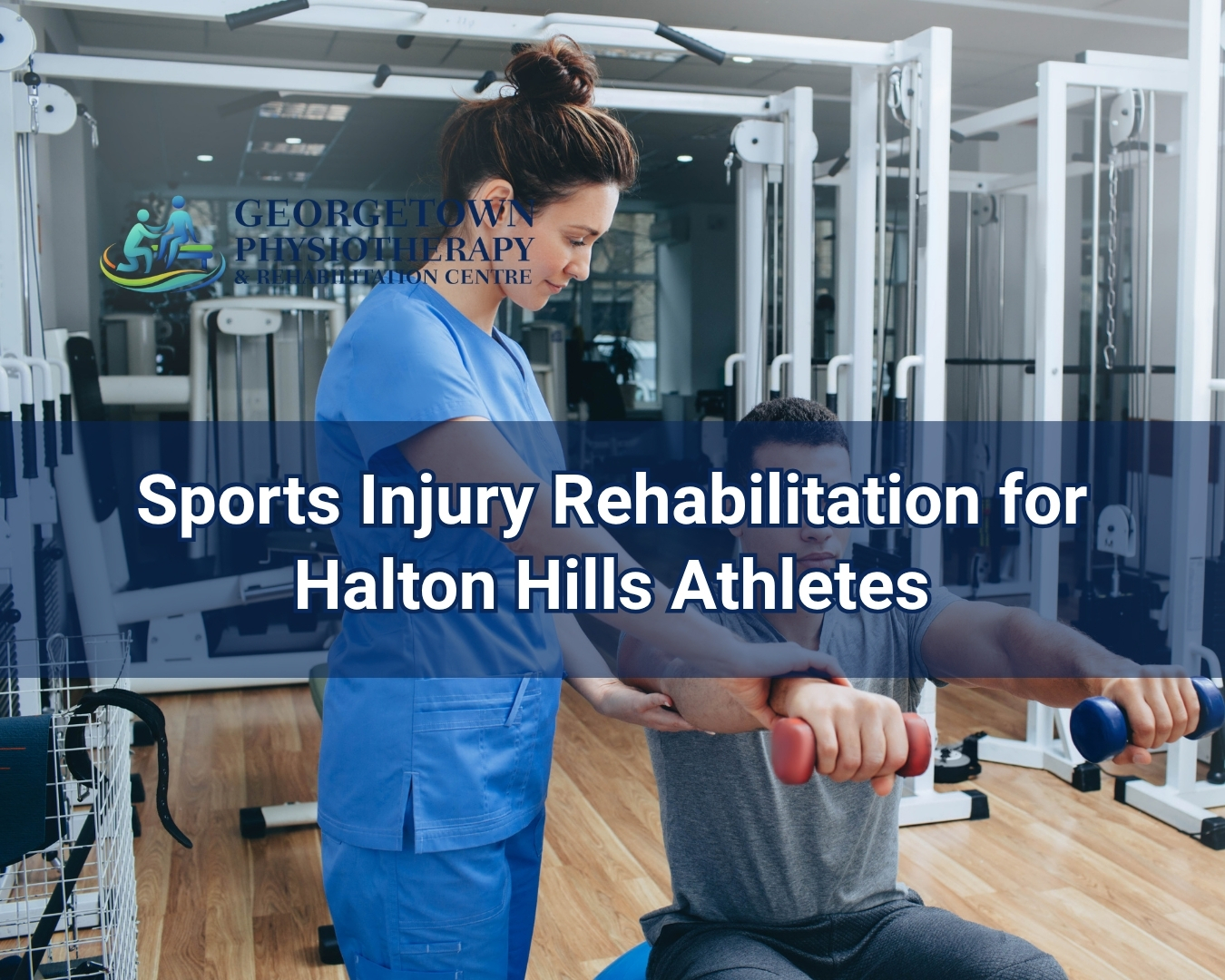
Sports Injury Rehabilitation for Halton Hills Athletes
Whether you’re a competitive athlete, weekend warrior, recreational runner, cyclist, hockey player, soccer player, or fitness enthusiast, injuries can happen when you least expect them. Sports injuries can disrupt training schedules, affect performance, and keep athletes away from the activities they enjoy most.
For athletes throughout Halton Hills, including Georgetown, Acton, Glen Williams, Stewarttown, and surrounding communities, proper rehabilitation is often the difference between a successful return to sport and recurring injuries that continue to affect performance.
At Georgetown Physiotherapy & Rehabilitation Centre, we provide personalized sports injury rehabilitation programs designed to help athletes recover safely, restore strength and mobility, and return to their sport with confidence.
Why Sports Injury Rehabilitation Matters
Many athletes focus on getting rid of pain as quickly as possible. While pain relief is important, true recovery involves much more than simply feeling better.
Without proper rehabilitation, athletes may experience:
- Reduced performance
- Muscle weakness
- Limited mobility
- Poor movement patterns
- Increased injury risk
- Recurrent injuries
A structured rehabilitation program addresses the root causes of injury while preparing the body for the demands of sport.
The goal is not only recovery but also helping athletes return stronger, more resilient, and better prepared for future performance.
Common Sports Injuries Among Halton Hills Athletes
Athletes participate in a wide variety of sports throughout Halton Hills, each with its own physical demands and injury risks.
Sprains and Strains
These are among the most common sports-related injuries.
Sprains
Sprains occur when ligaments are stretched or torn.
Common examples include:
- Ankle sprains
- Knee ligament injuries
- Wrist sprains
Strains
Strains affect muscles or tendons.
Athletes frequently experience strains in the:
- Hamstrings
- Calves
- Groin muscles
- Lower back
- Shoulders
Proper rehabilitation helps restore flexibility, strength, and function.
Knee Injuries
The knee is particularly vulnerable during sports involving:
- Running
- Jumping
- Cutting movements
- Rapid changes of direction
Common knee injuries include:
- Patellofemoral pain syndrome
- ACL injuries
- Meniscus injuries
- Tendonitis
- Runner’s knee
Comprehensive rehabilitation focuses on restoring stability, strength, and movement quality.
Shoulder Injuries
Athletes involved in overhead sports often experience shoulder problems.
Examples include:
- Rotator cuff injuries
- Shoulder impingement
- Labral injuries
- Tendonitis
Sports commonly associated with shoulder injuries include:
- Baseball
- Tennis
- Swimming
- Volleyball
- Weightlifting
Rehabilitation helps improve mobility, stability, and performance.
Running-Related Injuries
Running is one of the most popular forms of exercise among Halton Hills residents.
Common running injuries include:
- Shin splints
- IT band syndrome
- Achilles tendonitis
- Plantar fasciitis
- Knee pain
Biomechanical assessments and corrective exercises often play a key role in recovery.
Lower Back Pain in Athletes
Many sports place repetitive stress on the spine.
Athletes may develop lower back pain due to:
- Overtraining
- Poor movement mechanics
- Weak core muscles
- Muscle imbalances
Physiotherapy helps identify contributing factors and improve overall movement efficiency.
Why Athletes Should Not Ignore Injuries
Many athletes attempt to “play through the pain.”
While determination is admirable, ignoring injuries often leads to:
- Prolonged recovery
- Chronic pain
- Reduced performance
- More serious injuries
Early assessment and treatment can help address issues before they become more severe.
The Sports Injury Rehabilitation Process
At Georgetown Physiotherapy & Rehabilitation Centre, every rehabilitation program begins with a comprehensive evaluation.
Initial Assessment
Your physiotherapist will assess:
- Injury history
- Pain levels
- Strength
- Mobility
- Flexibility
- Movement patterns
- Sport-specific demands
Understanding the athlete’s goals is essential for developing an effective treatment plan.
Phase 1: Pain and Inflammation Management
The first stage of rehabilitation focuses on reducing pain and protecting injured tissues.
Treatment may include:
- Manual therapy
- Mobility exercises
- Activity modification
- Soft tissue techniques
- Laser therapy
The goal is to create an environment that supports healing.
Phase 2: Restoring Mobility
Once symptoms begin to improve, attention shifts toward restoring movement.
This may involve:
- Stretching exercises
- Joint mobilization
- Range-of-motion training
- Flexibility work
Regaining mobility is essential before progressing to higher-level activities.
Phase 3: Strength Development
Strength deficits often remain after an injury.
Rehabilitation programs focus on rebuilding:
- Muscle strength
- Joint stability
- Core control
- Functional movement patterns
Strength training is carefully progressed based on the athlete’s recovery status.
Phase 4: Sport-Specific Rehabilitation
One of the most important aspects of sports rehabilitation is preparing athletes for the specific demands of their sport.
Examples include:
Soccer Players
- Agility drills
- Cutting movements
- Sprint mechanics
Hockey Players
- Balance training
- Lower-body power development
- Stability exercises
Runners
- Gait analysis
- Running mechanics correction
- Endurance progression
Tennis and Racquet Sports
- Shoulder strengthening
- Rotational movement training
- Power development
The goal is to bridge the gap between rehabilitation and performance.
Phase 5: Safe Return to Sport
Returning to sport too soon increases the risk of reinjury.
Before returning to competition, athletes should demonstrate:
- Adequate strength
- Good mobility
- Functional movement quality
- Sport-specific readiness
Physiotherapists help determine when athletes are ready to resume participation safely.
How Physiotherapy Helps Athletes Recover
Physiotherapy is often the foundation of sports injury rehabilitation.
Benefits include:
Pain Reduction
Treatment techniques help manage discomfort and improve movement.
Improved Mobility
Restoring flexibility and joint movement supports recovery and performance.
Strength Restoration
Targeted exercises rebuild strength and stability.
Injury Prevention
Addressing underlying weaknesses helps reduce future injury risk.
Performance Optimization
Improved movement mechanics often enhance athletic performance.
Additional Therapies That Support Sports Recovery
Massage Therapy
Sports massage may help:
- Reduce muscle tension
- Improve circulation
- Enhance recovery
- Improve flexibility
Athletes frequently incorporate massage therapy into their training and recovery routines.
Chiropractic Care
Chiropractic treatment may help improve:
- Joint mobility
- Movement efficiency
- Spinal function
Many athletes benefit from combining chiropractic care with physiotherapy.
Laser Therapy
Laser therapy is a non-invasive treatment that may help:
- Reduce inflammation
- Promote healing
- Improve circulation
- Support tissue recovery
Injury Prevention Strategies for Athletes
Preventing injuries is often easier than treating them.
Warm Up Properly
A structured warm-up prepares muscles and joints for activity.
Strength Training
Balanced strength development supports performance and injury prevention.
Prioritize Recovery
Rest and recovery are essential components of athletic success.
Address Minor Issues Early
Small aches and pains should not be ignored.
Maintain Mobility
Regular stretching and mobility work help keep the body functioning optimally.
Why Halton Hills Athletes Choose Georgetown Physiotherapy & Rehabilitation Centre
Athletes throughout Halton Hills trust our clinic because of our commitment to personalized, evidence-based care.
Our services include:
- Sports Injury Rehabilitation
- Physiotherapy
- Chiropractic Care
- Massage Therapy
- Laser Therapy
- Performance-Focused Recovery Programs
We work with athletes of all ageshttps://georgetownphysiotherapy.ca/services/in-home-physiotherapy/ and skill levels, from recreational participants to competitive performers.
Get Back to the Activities You Love
Sports injuries can be frustrating, but they do not have to define your season or limit your future performance. With the right rehabilitation plan, athletes can recover safely, restore confidence, and return to their sport stronger than before.
At Georgetown Physiotherapy & Rehabilitation Centre, we are proud to help athletes throughout Georgetown, Acton, Glen Williams, Stewarttown, and the greater Halton Hills community achieve their recovery and performance goals.
Whether you are dealing with a recent injury, recurring pain, or looking to prevent future problems, our team is here to help.
Contact us today to learn more about our sports injury rehabilitation services and take the first step toward a safe and successful return to sport.
Georgetown Physiotherapy & Rehabilitation Centre
333 Mountainview Rd S, Unit #2
Georgetown, ON L7G 5S5, Canada
Phone: +1 905-702-6633
Website: https://georgetownphysiotherapy.ca/
Email: info@georgetownphysiotherapy.ca
Internal Link Suggestions
- Best Exercises Recommended by Georgetown Physiotherapists for Knee Pain
- Shoulder Pain Treatment in Georgetown Without Surgery
- Sciatica Treatment in Georgetown
- Benefits of Combining Physiotherapy and Chiropractic Care in Georgetown
- Physiotherapy Near Me in Georgetown
- Car Accident Recovery in Georgetown