


 Call For Appointment
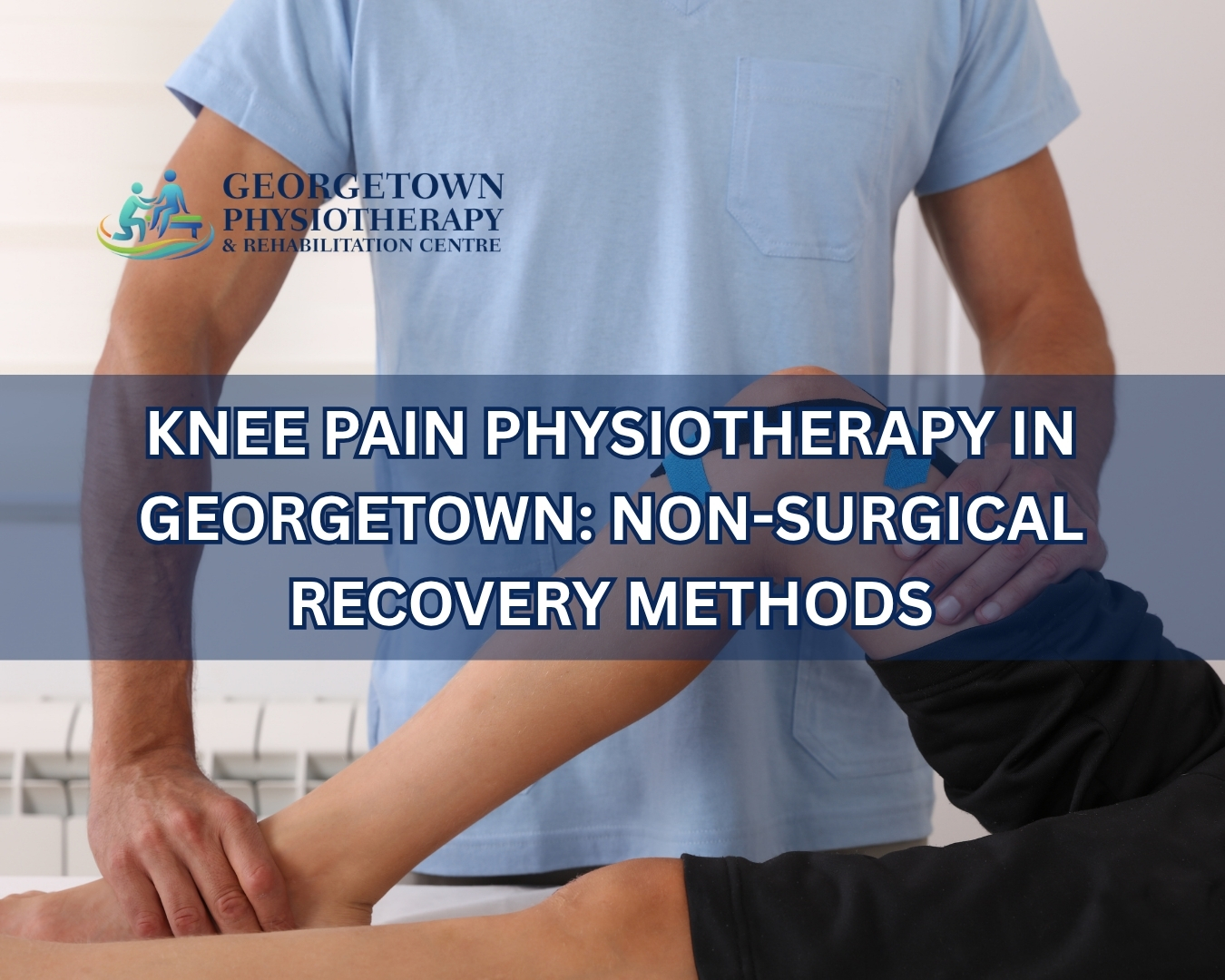
Knee Pain Physiotherapy in Georgetown: Non-Surgical Recovery Methods
Knee pain can make everyday activities challenging. Walking, climbing stairs, exercising, standing for long periods, or even getting out of a chair may become uncomfortable when knee discomfort develops. In many cases, untreated knee pain gradually affects mobility, balance, and overall quality of life.
Fortunately, many people can recover successfully without surgery through professional physiotherapy and rehabilitation programs. Today, residents searching for knee pain physiotherapy in Georgetown often choose non-surgical treatment options to reduce pain, improve movement, and restore physical function naturally.
Common Causes of Knee Pain
The knee joint supports much of the body’s weight during movement. Because of this, knees are vulnerable to strain, injury, and wear over time.
Common causes of knee pain include:
- Sports injuries
- Ligament strains
- Meniscus injuries
- Arthritis
- Tendonitis
- Muscle weakness
- Poor posture and movement patterns
- Repetitive strain
- Workplace injuries
- Overuse from physical activity
Additionally, age-related wear and tear may contribute to ongoing knee discomfort and stiffness.
Symptoms That Should Not Be Ignored
Although occasional soreness may improve with rest, persistent knee pain often requires professional assessment.
Common symptoms include:
- Swelling around the knee
- Difficulty walking comfortably
- Knee stiffness
- Pain during movement
- Clicking or popping sensations
- Weakness or instability
- Reduced range of motion
- Pain when climbing stairs
Because knee problems may worsen over time, early rehabilitation often improves recovery outcomes significantly.
Why Early Physiotherapy Matters
Ignoring knee pain may lead to reduced mobility, muscle weakness, and long-term joint problems. Furthermore, compensating for knee discomfort may place additional stress on other parts of the body, including the hips and lower back.
Seeking early physiotherapy treatment may help:
- Reduce inflammation
- Improve flexibility
- Restore mobility
- Strengthen supporting muscles
- Improve balance and stability
- Reduce pain naturally
- Prevent chronic knee problems
Consequently, patients often recover more effectively when treatment begins early.
How Physiotherapy Helps Knee Pain
Physiotherapy focuses on restoring proper movement and improving muscle support around the knee joint. Rather than only masking symptoms temporarily, rehabilitation programs address the underlying causes contributing to discomfort.
Depending on the condition, physiotherapy treatment may include:
- Stretching exercises
- Strengthening exercises
- Manual therapy
- Mobility training
- Balance exercises
- Soft tissue therapy
- Posture correction
Together, these treatments help improve knee function while reducing strain on joints and surrounding tissues.
Non-Surgical Recovery Methods for Knee Pain
Many individuals can successfully manage knee pain without surgery through consistent rehabilitation and lifestyle adjustments.
Strengthening Exercises
Strong muscles around the knee help stabilize the joint and reduce stress during movement.
Flexibility Training
Stretching exercises improve mobility and reduce stiffness in surrounding muscles.
Balance and Stability Exercises
Improving balance helps reduce instability and supports safer movement.
Manual Therapy
Hands-on therapy techniques may help improve joint mobility and reduce muscle tension.
Posture and Movement Correction
Poor walking mechanics and posture may contribute to ongoing knee strain. Rehabilitation programs help improve body mechanics naturally.
Activity Modification
Adjusting physical activity levels temporarily may help support healing and reduce irritation.
Best Exercises for Knee Pain Recovery
Specific exercises can strengthen muscles supporting the knee while improving flexibility and movement.
Common knee rehabilitation exercises may include:
- Straight leg raises
- Wall sits
- Hamstring stretches
- Quadriceps strengthening exercises
- Calf stretches
- Step-up exercises
- Balance training exercises
Importantly, exercises should always be customized according to the patient’s pain level and physical condition.
Physiotherapy for Sports-Related Knee Injuries
Athletes and active individuals commonly experience knee injuries during sports and physical activities. Running, jumping, sudden direction changes, and repetitive movements may place significant stress on the knee joint.
Physiotherapy may help athletes recover from:
- Runner’s knee
- Ligament injuries
- Tendonitis
- Meniscus strain
- Patellofemoral pain syndrome
- Muscle imbalances
Additionally, rehabilitation programs often focus on preventing future injuries while improving athletic performance.
Chiropractic Care for Knee Pain
Although chiropractic care is commonly associated with spinal health, it may also help improve joint movement and posture-related issues contributing to knee discomfort.
Chiropractic treatment may support recovery by:
- Improving joint mobility
- Correcting posture imbalances
- Reducing stress on lower body joints
- Supporting proper movement mechanics
Furthermore, combining chiropractic care with physiotherapy often provides more comprehensive rehabilitation results.
Laser Therapy for Knee Pain Relief
Laser therapy is becoming increasingly popular for non-surgical knee pain treatment. This non-invasive therapy helps stimulate tissue healing while reducing inflammation naturally.
Laser therapy may help:
- Reduce swelling
- Improve circulation
- Relieve chronic discomfort
- Support tissue healing
- Improve mobility
Consequently, many rehabilitation programs combine laser therapy with physiotherapy exercises for improved recovery outcomes.
Massage Therapy and Soft Tissue Recovery
Muscle tightness around the knee and legs may contribute to joint discomfort and reduced flexibility. Massage therapy helps improve circulation while reducing muscle tension.
Massage therapy may assist with:
- Muscle soreness
- Tight hamstrings and calves
- Circulation improvement
- Stress-related muscle tension
- Soft tissue recovery
As a result, many patients experience improved comfort and flexibility during rehabilitation.
Lifestyle Tips to Support Knee Recovery
In addition to professional rehabilitation, certain lifestyle habits may help reduce knee strain and support recovery.
Helpful strategies include:
- Maintaining healthy body weight
- Wearing supportive footwear
- Avoiding prolonged inactivity
- Stretching regularly
- Strengthening leg muscles
- Using proper movement techniques
- Taking breaks during repetitive activities
Moreover, staying physically active safely often improves long-term joint health.
When Should You Seek Professional Treatment?
You should consider professional rehabilitation if you experience:
- Knee pain lasting several weeks
- Swelling or stiffness
- Difficulty walking comfortably
- Weakness or instability
- Pain during exercise
- Reduced mobility
- Recurring knee discomfort
Early assessment and rehabilitation may help prevent more serious complications.
Personalized Knee Rehabilitation Programs
Every patient experiences knee pain differently. Therefore, rehabilitation plans should always be tailored according to the individual’s symptoms, mobility limitations, and recovery goals.
At Georgetown Physiotherapy & Rehabilitation Centre, rehabilitation professionals evaluate:
- Pain severity
- Range of motion
- Muscle strength
- Movement patterns
- Balance and stability
- Daily activity limitations
Because of this personalized approach, patients receive targeted rehabilitation focused on both short-term pain relief and long-term recovery.
Why Georgetown Residents Choose Professional Rehabilitation Clinics
Choosing a trusted local rehabilitation clinic makes ongoing treatment more convenient and accessible. Since knee rehabilitation often requires multiple sessions, many Georgetown residents prefer nearby physiotherapy services.
Patients commonly look for clinics that provide:
- Personalized rehabilitation plans
- Experienced physiotherapists
- Flexible appointment scheduling
- Modern therapy techniques
- Multiple rehabilitation services under one roof
- Patient-focused care
Georgetown Physiotherapy & Rehabilitation Centre continues helping local residents recover from knee pain naturally through professional physiotherapy and rehabilitation services.
Start Your Recovery Journey Today
Knee pain should not limit your ability to move comfortably or enjoy daily activities. Fortunately, non-surgical rehabilitation treatments can help reduce discomfort, improve mobility, and support long-term recovery naturally.
Whether you are recovering from a sports injury, managing arthritis-related pain, or experiencing ongoing knee discomfort, personalized physiotherapy and rehabilitation services can help restore movement and confidence safely.
Contact Information
Georgetown Physiotherapy & Rehabilitation Centre
333 Mountainview Rd S, Unit #2
Georgetown, ON L7G 5S5
Canada
- Phone: +1 905 702 6633
- Email: info@georgetownphysiotherapy.ca
- Website: Georgetown Physiotherapy & Rehabilitation Centr