



 Call For Appointment
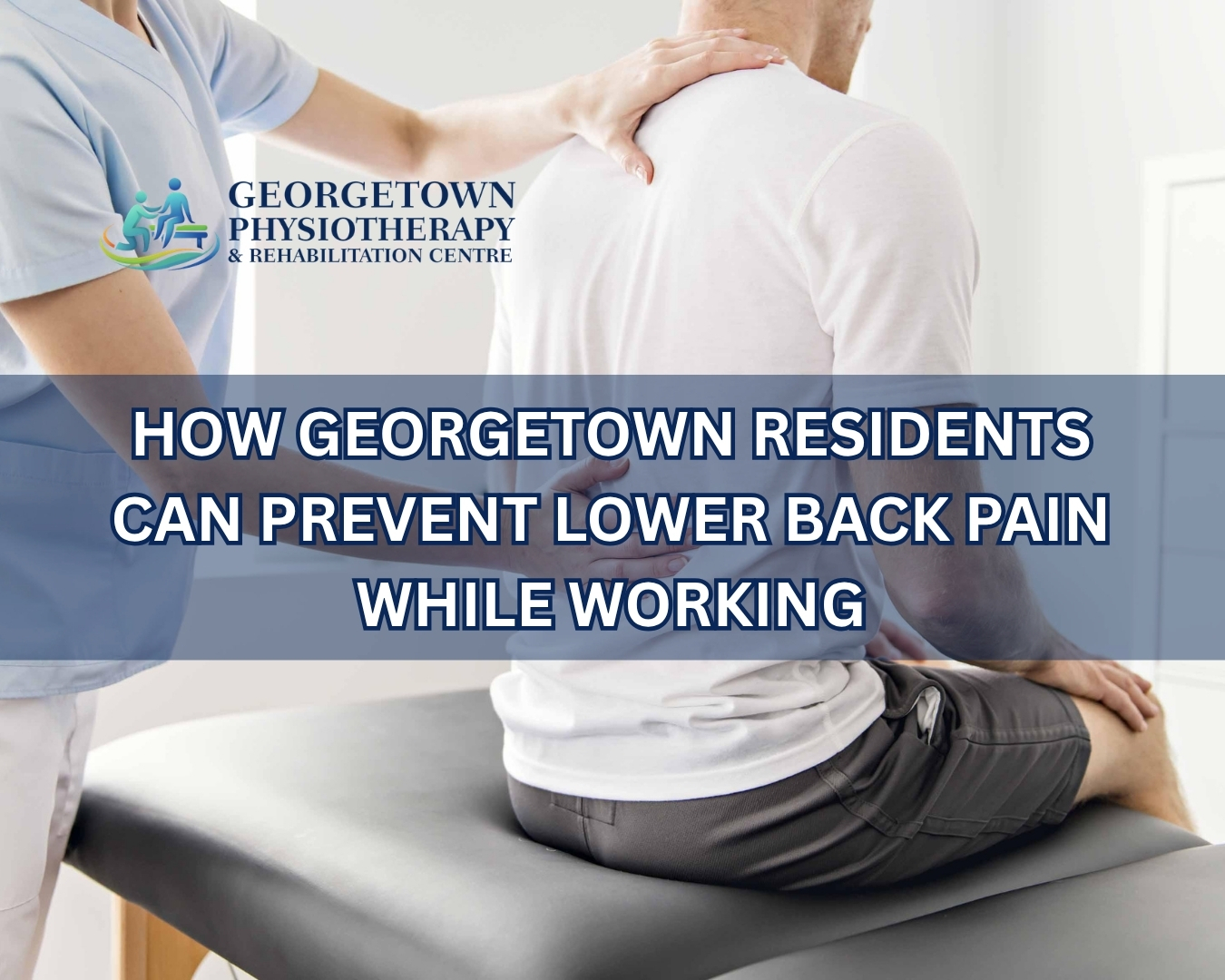
How Georgetown Residents Can Prevent Lower Back Pain While Working
Lower back pain is one of the most common physical complaints among working adults. Whether caused by long hours sitting at a desk, repetitive lifting, physically demanding jobs, or poor posture, back pain can affect productivity, mobility, and overall quality of life. In many cases, discomfort develops gradually and becomes more serious over time if ignored.
Fortunately, there are several ways to reduce the risk of lower back pain while working. Today, many Georgetown residents are becoming more aware of workplace posture, movement habits, and rehabilitation strategies that help protect spinal health and prevent chronic discomfort.
Georgetown Physiotherapy & Rehabilitation Centre provides personalized physiotherapy and rehabilitation programs focused on posture correction, workplace injury prevention, and long-term back pain relief.
Why Lower Back Pain Happens at Work
The lower back supports much of the body’s weight and movement throughout the day. As a result, repetitive strain and poor movement habits can place significant pressure on muscles, joints, and spinal structures.
Common workplace causes of lower back pain include:
- Prolonged sitting
- Poor posture
- Heavy lifting
- Repetitive bending or twisting
- Weak core muscles
- Lack of movement during work hours
- Improper workstation setup
- Physically demanding job duties
- Stress-related muscle tension
Additionally, working long hours without proper movement breaks may increase stiffness and muscle fatigue.
How Poor Posture Affects the Lower Back
Poor posture is one of the leading contributors to workplace-related back pain. Slouching, leaning forward, or sitting incorrectly places additional pressure on the spine and surrounding muscles.
Over time, poor posture may lead to:
- Muscle tightness
- Reduced flexibility
- Joint strain
- Neck and shoulder tension
- Sciatica symptoms
- Chronic lower back discomfort
Therefore, maintaining proper posture during work activities is extremely important for long-term spinal health.
Tips to Prevent Lower Back Pain While Working
Fortunately, simple daily habits can significantly reduce the risk of lower back pain and workplace strain.
1. Maintain Proper Sitting Posture
When sitting at a desk, keep:
- Feet flat on the floor
- Knees bent at a 90-degree angle
- Back supported by the chair
- Shoulders relaxed
- Computer screen at eye level
Additionally, avoiding slouching helps reduce unnecessary pressure on the spine.
2. Take Regular Movement Breaks
Sitting for long periods may increase stiffness and reduce circulation. Therefore, standing up and moving regularly is important throughout the workday.
Simple movement breaks may include:
- Walking briefly every 30 to 60 minutes
- Gentle stretching
- Shoulder rolls
- Light mobility exercises
As a result, muscles remain more flexible and less tense during long work hours.
3. Strengthen Core Muscles
Strong abdominal and lower back muscles provide important support for the spine. Weak core muscles may increase stress on the lower back during daily activities.
Helpful exercises may include:
- Pelvic tilts
- Bridges
- Planks
- Core stability exercises
Importantly, exercises should be performed carefully and according to professional guidance.
4. Use Proper Lifting Techniques
Improper lifting is a common cause of workplace back injuries. Whenever lifting heavy objects:
- Bend at the knees instead of the waist
- Keep the object close to the body
- Avoid twisting while lifting
- Use leg muscles for support
Furthermore, asking for assistance with heavy lifting may help prevent strain and injury.
5. Improve Your Workstation Setup
Ergonomic workstation adjustments may help reduce pressure on the lower back and improve posture.
Helpful ergonomic tips include:
- Using a supportive chair
- Keeping screens at eye level
- Positioning keyboards comfortably
- Supporting the lower back with lumbar support
- Keeping frequently used items within easy reach
Consequently, proper workstation design may improve both comfort and productivity.
6. Stretch Regularly During the Day
Stretching helps reduce muscle tightness and improve flexibility. In many cases, simple stretches performed throughout the day can help reduce stiffness caused by prolonged sitting.
Helpful stretches may include:
- Hamstring stretches
- Lower back stretches
- Hip flexor stretches
- Cat-camel stretches
- Shoulder and neck stretches
Additionally, regular stretching may improve posture and circulation.
7. Stay Physically Active
Lack of physical activity may contribute to weak muscles and reduced spinal support. Therefore, regular exercise remains important for preventing chronic lower back pain.
Activities such as:
- Walking
- Swimming
- Yoga
- Strength training
- Cycling
may help improve flexibility, balance, and muscle strength.
Physiotherapy for Lower Back Pain Prevention
- Posture correction
- Strengthening exercises
- Stretching programs
- Manual therapy
- Mobility exercises
- Workplace ergonomic education
Together, these treatments help improve spinal support and reduce injury risks.
Chiropractic Care for Spinal Health
- Improve joint movement
- Reduce muscle tension
- Improve posture alignment
- Support spinal flexibility
- Reduce stiffness naturally
Additionally, combining chiropractic care with physiotherapy often provides more comprehensive rehabilitation results.
Massage Therapy for Muscle Tension
Stress and prolonged sitting frequently contribute to muscle tightness in the lower back, shoulders, and hips. Massage therapy helps improve circulation while relaxing tense muscles.
Massage therapy may help:
- Reduce stress-related tension
- Improve flexibility
- Improve circulation
- Support muscle recovery
- Relieve stiffness
As a result, many office workers experience improved comfort after regular massage therapy sessions.
Warning Signs You Should Not Ignore
Although mild discomfort may improve temporarily, certain symptoms may indicate the need for professional assessment.
You should consider professional treatment if you experience:
- Persistent lower back pain
- Pain radiating into the legs
- Numbness or tingling
- Difficulty standing or walking
- Muscle weakness
- Recurring workplace discomfort
Early rehabilitation often helps prevent more serious long-term problems.
Personalized Rehabilitation Programs in Georgetown
Every individual experiences back pain differently. Therefore, rehabilitation programs should always be customized according to posture habits, job duties, physical condition, and recovery goals.
At Georgetown Physiotherapy & Rehabilitation Centre, rehabilitation professionals carefully evaluate:
- Posture and movement patterns
- Muscle strength and flexibility
- Workplace habits
- Mobility limitations
- Pain levels
- Daily activity demands
Because of this personalized approach, patients receive targeted rehabilitation focused on long-term spinal health and injury prevention.
Why Georgetown Residents Choose Professional Rehabilitation Clinics
Choosing a trusted local rehabilitation clinic makes treatment more convenient and accessible. Since preventing and managing lower back pain often requires ongoing support, many Georgetown residents prefer nearby rehabilitation services.
Patients commonly look for clinics that provide:
- Personalized treatment plans
- Experienced rehabilitation professionals
- Flexible appointment scheduling
- Modern rehabilitation techniques
- Multiple therapy services under one roof
- Patient-focused care
Georgetown Physiotherapy & Rehabilitation Centre continues helping local residents improve posture, prevent workplace injuries, and manage lower back pain naturally.
Start Protecting Your Back Today
Lower back pain should not interfere with your ability to work comfortably or enjoy daily activities. Fortunately, proper posture, movement habits, and professional rehabilitation support can help reduce strain and improve long-term spinal health.
Whether you work at a desk, perform physically demanding tasks, or experience ongoing stiffness during work hours, physiotherapy and rehabilitation services can help support your wellness goals safely and effectively.
Contact Information
Georgetown Physiotherapy & Rehabilitation Centre
333 Mountainview Rd S, Unit #2
Georgetown, ON L7G 5S5
Canada
- Phone: +1 905 702 6633
- Email: info@georgetownphysiotherapy.ca
- Website: Georgetown Physiotherapy & Rehabilitation Centre