


 Call For Appointment
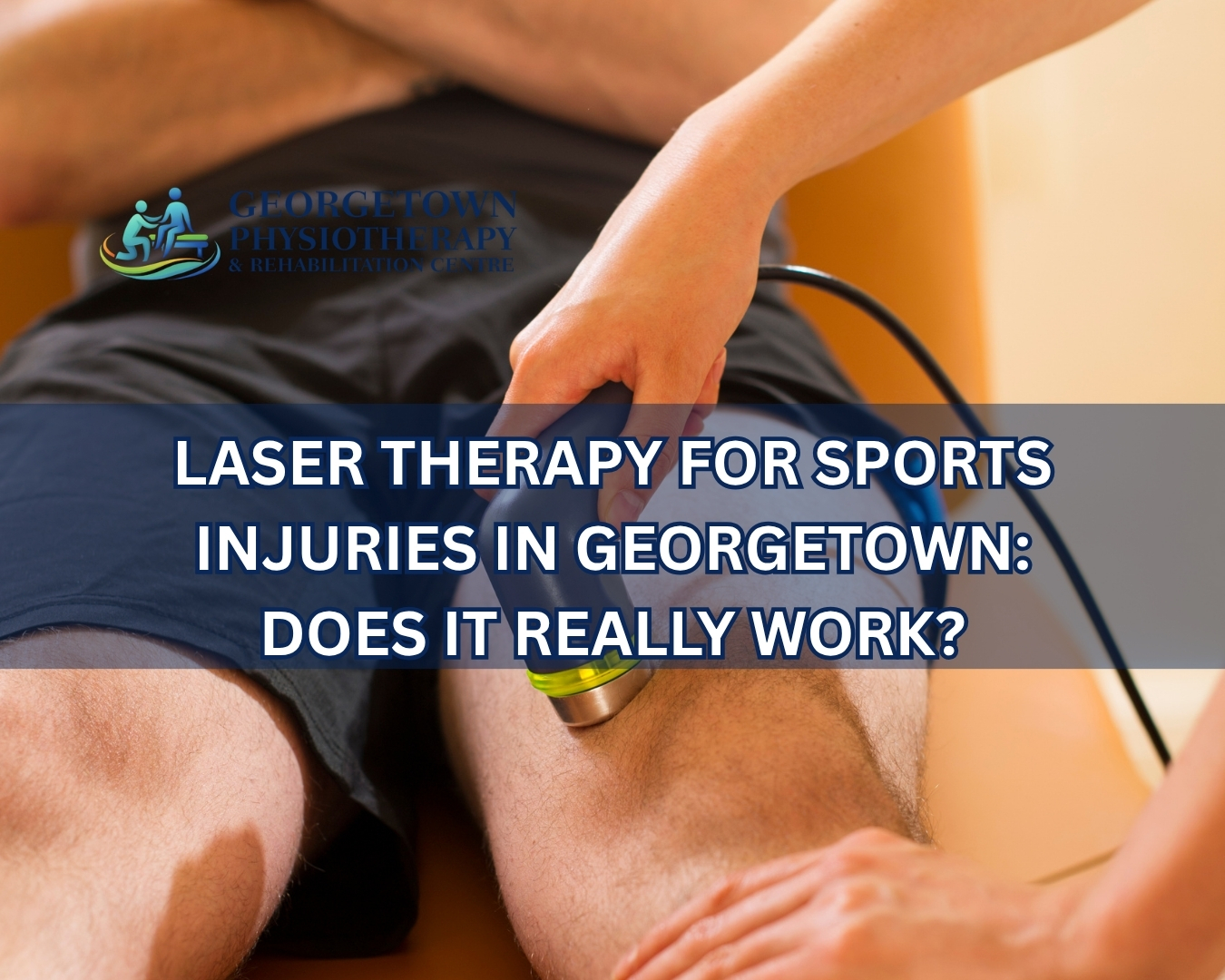
Laser Therapy for Sports Injuries in Georgetown: Does It Really Work?
Sports injuries can affect athletes of all ages and activity levels. Whether caused by intense training, repetitive movement, sudden impact, or overuse, injuries often lead to pain, swelling, stiffness, and reduced performance. In many cases, athletes want recovery solutions that help them heal faster while avoiding invasive procedures or excessive medication use.
As a result, laser therapy has become increasingly popular among athletes and physically active individuals. Today, many people searching for laser therapy for sports injuries in Georgetown choose professional rehabilitation clinics to support recovery naturally and improve overall mobility.
Georgetown Physiotherapy & Rehabilitation Centre provides personalized rehabilitation programs that combine laser therapy with physiotherapy to help athletes recover safely and return to activity with confidence.
What Is Laser Therapy?
Laser therapy is a non-invasive treatment that uses focused light energy to stimulate healing within injured tissues. Unlike surgical procedures, laser therapy does not involve incisions or lengthy recovery periods. Instead, light energy penetrates the affected area to support cellular repair, improve circulation, and reduce inflammation.
Additionally, laser therapy is commonly used alongside physiotherapy because it helps accelerate the body’s natural healing process.
How Laser Therapy Works
Laser therapy works by delivering specific wavelengths of light into muscles, tendons, ligaments, and soft tissues. These light waves stimulate cellular activity and improve oxygen delivery to injured areas.
Consequently, laser therapy may help:
- Reduce inflammation
- Improve circulation
- Support tissue healing
- Reduce muscle tension
- Improve mobility
- Relieve pain naturally
Because the treatment targets injured tissues directly, many athletes experience reduced discomfort and improved flexibility during recovery.
Common Sports Injuries Treated with Laser Therapy
Laser therapy is commonly used for both acute and chronic sports-related injuries. Athletes and active individuals often choose laser therapy to improve recovery while reducing downtime from training and competition.
Common sports injuries treated with laser therapy include:
- Muscle strains
- Tendonitis
- Runner’s knee
- Tennis elbow
- Rotator cuff injuries
- Shin splints
- Sprains
- Ligament injuries
- Lower back pain
- Shoulder pain
Furthermore, laser therapy is frequently combined with rehabilitation exercises for more comprehensive recovery support.
Does Laser Therapy Really Work?
Many athletes ask whether laser therapy truly helps sports injuries recover faster. Although results may vary depending on the injury and recovery plan, many rehabilitation professionals use laser therapy because it may support tissue healing and pain reduction naturally.
Laser therapy may work by:
- Stimulating cellular repair
- Improving blood flow
- Reducing inflammation
- Supporting tissue regeneration
- Improving flexibility and movement
Consequently, many patients notice improvements in comfort, mobility, and recovery progression when laser therapy is combined with structured rehabilitation programs.
Benefits of Laser Therapy for Athletes
Athletes often place repeated stress on muscles and joints during training. Therefore, recovery support becomes extremely important for maintaining performance and preventing reinjury.
Laser therapy may help athletes:
- Recover faster after injuries
- Reduce muscle soreness
- Improve flexibility
- Support tissue repair
- Reduce inflammation naturally
- Improve mobility and movement comfort
Additionally, because laser therapy is non-invasive, many athletes prefer it as part of their overall rehabilitation routine.
Laser Therapy for Muscle Strains and Sprains
Muscle strains and ligament sprains are among the most common sports injuries. These injuries frequently cause swelling, pain, and limited movement.
Laser therapy may help by:
- Improving circulation to injured tissues
- Reducing swelling
- Supporting tissue healing
- Improving flexibility during recovery
As a result, athletes often combine laser therapy with stretching and strengthening exercises for better rehabilitation outcomes.
Laser Therapy for Tendonitis
Repetitive movements during sports activities may place stress on tendons over time. Consequently, conditions such as tennis elbow, Achilles tendonitis, and shoulder tendonitis are common among athletes.
Laser therapy may help reduce:
- Tendon inflammation
- Pain during movement
- Muscle stiffness
- Recovery time
Furthermore, physiotherapy exercises are often added to improve strength and movement mechanics during recovery.
Combining Laser Therapy with Physiotherapy
Although laser therapy offers several recovery benefits, it often works best when combined with physiotherapy rehabilitation.
While laser therapy helps reduce inflammation and pain, physiotherapy focuses on:
- Strengthening muscles
- Improving flexibility
- Correcting movement patterns
- Improving balance and stability
- Preventing future injuries
Together, these therapies provide a more complete rehabilitation approach focused on long-term athletic recovery.
What Happens During a Laser Therapy Session?
Many first-time patients feel unsure about what to expect during treatment. Fortunately, laser therapy sessions are generally simple, quick, and comfortable.
During a session:
- The therapist evaluates the injured area
- A laser device is placed over the affected tissues
- Light energy penetrates the skin safely
- Treatment usually lasts several minutes depending on the condition
Most patients report little to no discomfort during therapy sessions.
Additionally, treatment plans are customized according to injury severity and recovery goals.
Is Laser Therapy Safe?
Laser therapy is generally considered safe when performed by trained rehabilitation professionals. Since it is non-invasive, risks are significantly lower compared to surgical procedures or long-term medication use.
However, professional assessment remains important before beginning treatment.
At Georgetown Physiotherapy & Rehabilitation Centre, rehabilitation professionals carefully evaluate:
- Injury severity
- Pain levels
- Mobility limitations
- Activity level
- Recovery goals
Because of this personalized approach, athletes receive treatment programs designed specifically for their condition and recovery timeline.
Recovery Tips for Athletes
In addition to professional rehabilitation, athletes can support recovery by following healthy recovery habits.
Helpful recovery tips include:
- Following rehabilitation exercises consistently
- Avoiding overtraining
- Stretching regularly
- Staying hydrated
- Prioritizing proper rest and recovery
- Improving warm-up routines
- Maintaining proper posture and movement mechanics
Moreover, early treatment often helps prevent injuries from becoming chronic conditions.
Why Georgetown Athletes Choose Professional Rehabilitation Clinics
Choosing a trusted local rehabilitation clinic makes ongoing treatment more convenient and accessible. Since sports recovery often requires multiple sessions, many athletes prefer nearby rehabilitation services.
Patients commonly look for clinics that provide:
- Personalized sports rehabilitation plans
- Experienced physiotherapists
- Modern therapy equipment
- Flexible appointment scheduling
- Multiple rehabilitation services under one roof
- Patient-focused care
Georgetown Physiotherapy & Rehabilitation Centre continues helping local athletes recover from sports injuries safely through physiotherapy, laser therapy, and rehabilitation services.
Start Your Sports Recovery Journey Today
Sports injuries should never be ignored. Fortunately, modern rehabilitation treatments such as laser therapy may help reduce pain, improve mobility, and support long-term recovery naturally.
Whether you are recovering from tendonitis, muscle strains, sprains, or sports-related joint pain, personalized rehabilitation programs can help restore movement and confidence safely.
Contact Information
Georgetown Physiotherapy & Rehabilitation Centre
333 Mountainview Rd S, Unit #2
Georgetown, ON L7G 5S5
Canada
- Phone: +1 905 702 6633
- Email: info@georgetownphysiotherapy.ca
- Website: Georgetown Physiotherapy & Rehabilitation Centre