


 Call For Appointment
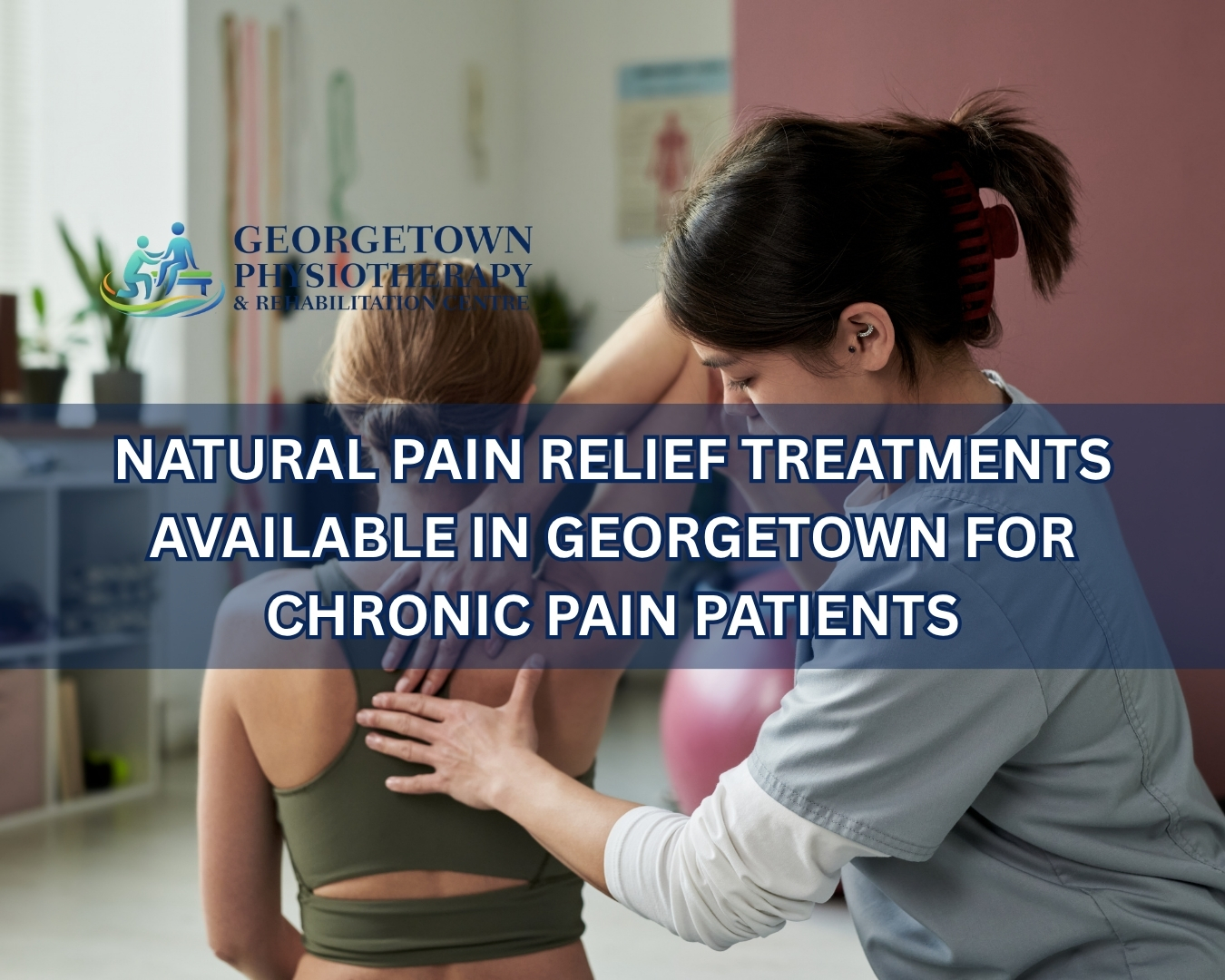
Natural Pain Relief Treatments Available in Georgetown for Chronic Pain Patients
Living with chronic pain can affect nearly every part of daily life. Simple activities such as walking, working, exercising, driving, or even sleeping comfortably may become difficult when pain persists for months or years. Many Georgetown residents struggle with ongoing conditions such as lower back pain, neck pain, arthritis, sciatica, sports injuries, joint stiffness, and repetitive strain injuries.
While pain medications may provide temporary symptom relief, many people are now searching for natural and non-invasive treatment options that focus on improving long-term function and quality of life rather than simply masking symptoms.
Modern rehabilitation programs often combine multiple therapies that support healing, improve mobility, reduce inflammation, and strengthen the body naturally. Research increasingly supports integrative approaches that combine physical rehabilitation, exercise, massage therapy, and other conservative treatments for chronic pain management.
At Georgetown Physiotherapy & Rehabilitation Centre, patients have access to personalized rehabilitation programs designed to help reduce chronic pain and improve physical function through non-surgical treatment options.
Understanding Chronic Pain
Chronic pain is generally defined as pain lasting longer than three months. It may continue even after the original injury has healed or may develop gradually without a single obvious cause.
Common chronic pain conditions include:
- Lower back pain
- Neck pain
- Sciatica
- Arthritis
- Shoulder pain
- Sports injuries
- Tendon injuries
- Joint stiffness
- Workplace injuries
- Motor vehicle accident injuries
Chronic pain often involves a combination of inflammation, muscle tightness, nerve irritation, joint dysfunction, and movement limitations.
Physiotherapy for Chronic Pain Relief
- Improving mobility
- Strengthening muscles
- Correcting movement patterns
- Reducing joint stress
- Improving posture
- Supporting long-term recovery
Treatment programs may include:
- Stretching exercises
- Strengthening exercises
- Manual therapy
- Mobility training
- Functional rehabilitation
- Posture correction
Physical therapy is widely recognized as an important component of chronic pain management because it helps patients improve function while reducing physical limitations.
Massage Therapy for Muscle Tension and Stress Relief
Many chronic pain conditions involve muscle tightness and soft tissue restrictions.
Massage therapy may help:
- Relax tight muscles
- Improve circulation
- Reduce stress-related tension
- Improve flexibility
- Support rehabilitation recovery
Research suggests massage therapy may provide short-term benefits for certain chronic pain conditions, particularly when combined with broader rehabilitation programs.
Several Georgetown clinics offer massage therapy as part of integrated rehabilitation care, including:
- Georgetown Physiotherapy & Rehabilitation Centre
- Generations Physiotherapy Centre
- Restore Physiotherapy
Chiropractic Care for Spine and Joint Pain
- Lower back pain
- Neck stiffness
- Joint discomfort
- Sciatica
- Postural problems
Chiropractic adjustments and mobility-focused treatment may help reduce movement restrictions affecting daily function.
Massage therapy and chiropractic care are frequently combined with rehabilitation exercises for more comprehensive pain management.
Local chiropractic providers include:
- Cranfield Family Chiropractic Centre
- Georgetown Physiotherapy & Rehabilitation Centre
Laser Therapy for Chronic Pain
- Reduce inflammation
- Improve circulation
- Support tissue healing
- Reduce nerve sensitivity
- Improve mobility
Research suggests photobiomodulation (laser therapy) may help decrease pain intensity in several musculoskeletal conditions and chronic pain disorders.
Laser therapy is commonly used for:
- Back pain
- Neck pain
- Arthritis
- Sports injuries
- Tendon injuries
- Joint inflammation
Many patients prefer laser therapy because it is painless, non-surgical, and requires no recovery downtime.
Exercise-Based Rehabilitation
One of the most effective long-term strategies for managing chronic pain is structured exercise.
Rehabilitation exercises may help:
- Improve flexibility
- Strengthen muscles
- Improve balance
- Reduce stiffness
- Improve joint support
- Increase mobility
Exercise programs are often customized according to:
- Age
- Physical condition
- Pain severity
- Mobility limitations
- Recovery goals
Exercise-based rehabilitation is commonly recommended as part of evidence-based chronic pain management programs.
Posture Correction Therapy
Poor posture contributes significantly to chronic neck pain, shoulder tension, and lower back discomfort.
Posture correction programs may include:
- Ergonomic guidance
- Core strengthening
- Stretching exercises
- Workplace movement strategies
- Movement retraining
Improving posture often reduces long-term stress on the spine and supporting muscles.
Acupuncture and Complementary Therapies
Some chronic pain patients also explore complementary therapies such as acupuncture.
Research suggests acupuncture may provide temporary pain relief for some chronic pain conditions, particularly when combined with broader rehabilitation programs.
Local clinics offering complementary wellness services include:
- Studio 2 Wellness
- Generations Physiotherapy Centre
Lifestyle Changes That Support Natural Pain Relief
Treatment sessions alone are rarely enough to manage chronic pain effectively.
Healthcare providers often recommend:
Staying Physically Active
Regular movement helps maintain flexibility and reduce stiffness.
Improving Sleep Quality
Poor sleep often increases pain sensitivity and slows recovery.
Stress Management
Stress may worsen muscle tension and chronic pain symptoms.
Maintaining Healthy Posture
Proper posture reduces strain on joints and muscles.
Following Home Exercise Programs
Consistent exercise supports long-term rehabilitation progress.
Integrated Pain Management Approaches
Many chronic pain patients benefit most from combining multiple therapies.
An integrated rehabilitation program may include:
- Physiotherapy
- Massage Therapy
- Chiropractic Care
- Laser Therapy
- Exercise Rehabilitation
- Posture Correction
Research increasingly supports multidisciplinary approaches because chronic pain often involves multiple physical and lifestyle factors.
Local Chronic Pain Treatment Providers in Georgetown
Residents seeking chronic pain management support often visit clinics such as:
- Georgetown Physiotherapy & Rehabilitation Centre
- Eramosa Physiotherapy Associates Georgetown
- CBI Health – Georgetown
- MedRehab Group – Georgetown Clinic
- Studio 2 Wellness
- New Dawn Medical
These clinics provide various rehabilitation, physiotherapy, chiropractic, massage therapy, and pain management services.
When to Seek Professional Help
You should consider professional rehabilitation support if you experience:
- Pain lasting longer than three months
- Reduced mobility
- Difficulty performing daily activities
- Recurring pain flare-ups
- Joint stiffness
- Nerve-related symptoms
- Pain affecting sleep or work performance
Early intervention often improves recovery outcomes and helps prevent worsening symptoms.
Final Thoughts
Chronic pain does not always require surgery or long-term reliance on medication. Many Georgetown residents successfully manage pain through natural, non-invasive rehabilitation approaches focused on improving movement, reducing inflammation, strengthening the body, and restoring function.
The most effective treatment plans are often personalized and combine multiple therapies based on the individual’s condition, lifestyle, and recovery goals.
Contact Information
Georgetown Physiotherapy & Rehabilitation Centre
333 Mountainview Rd S, Unit #2, Georgetown, ON L7G 5S5, Canada
Phone: +1 905 702 6633
Website: Georgetown Physiotherapy & Rehabilitation Centre Official Website
Helping Georgetown residents reduce chronic pain, improve mobility, and regain confidence through personalized rehabilitation care.