


 Call For Appointment
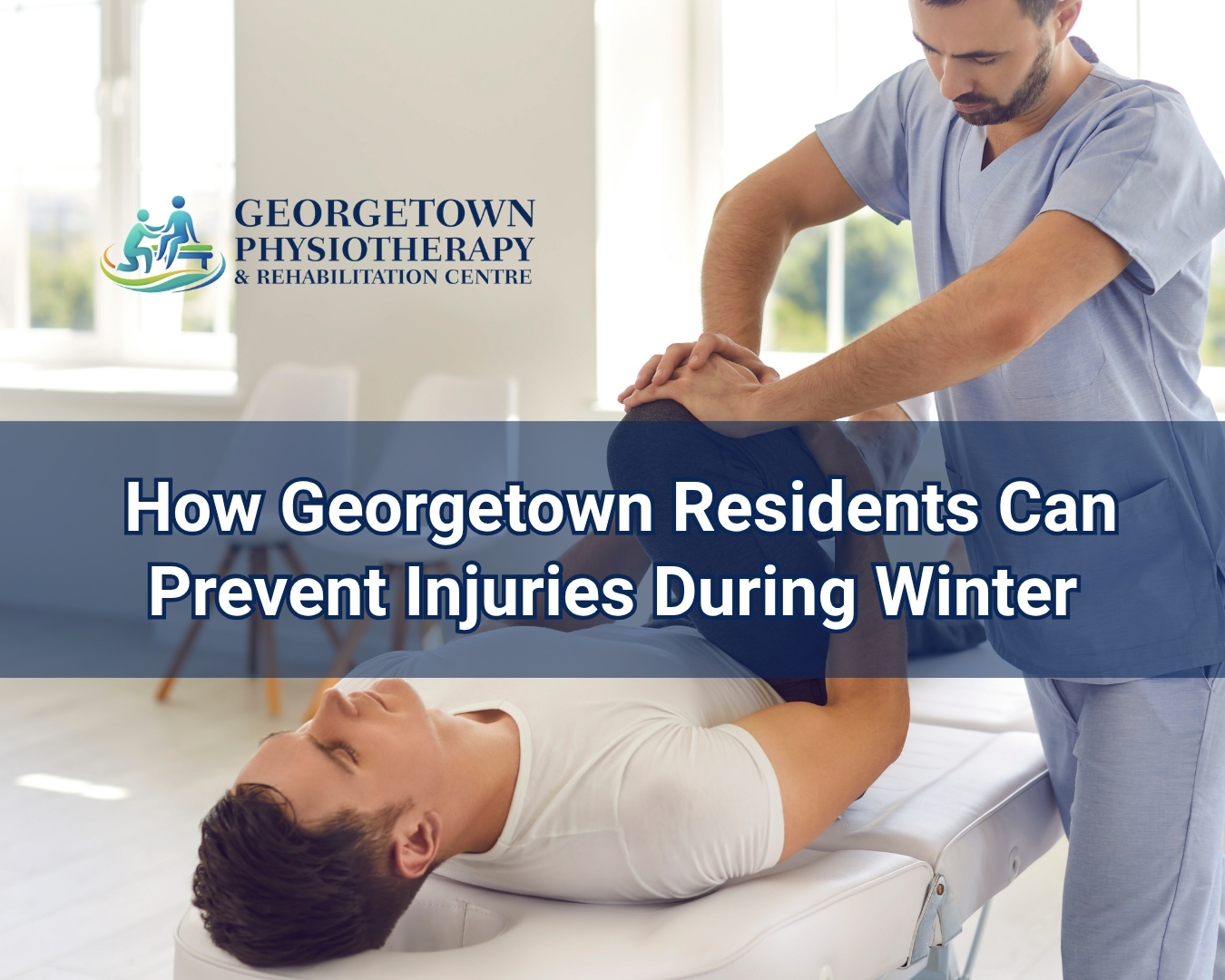
How Georgetown Residents Can Prevent Injuries During Winter
Winter in Georgetown brings beautiful snowy landscapes, but it also brings icy sidewalks, slippery driveways, freezing temperatures, and an increased risk of injuries. Every year, many Georgetown residents experience slips, falls, muscle strains, and joint injuries while walking outdoors, shoveling snow, driving, or participating in winter sports.
Whether you’re commuting to work, clearing snow from your driveway, or enjoying outdoor activities, taking a few preventive steps can significantly reduce your risk of injury. If you’ve been searching for “physiotherapy near me in Georgetown,” understanding how to prevent winter injuries can help you stay healthy and active throughout the season.
At Georgetown Physiotherapy & Rehabilitation Centre, we help individuals recover from winter-related injuries and provide guidance on preventing them before they occur.
Why Winter Increases the Risk of Injuries
Cold weather affects both the environment and the body.
Outdoor hazards include:
Cold temperatures can also affect your muscles and joints by causing:
These factors make winter one of the busiest seasons for musculoskeletal injuries.
Common Winter Injuries
Slip and Fall Injuries
Falls are among the most common winter accidents.
A sudden slip on ice can result in:
- Wrist fractures
- Shoulder injuries
- Hip injuries
- Knee injuries
- Back pain
- Neck pain
- Soft tissue injuries
Older adults face an even greater risk because falls may lead to more serious complications.
Lower Back Injuries
Snow shoveling places significant stress on the lower back.
Poor lifting technique, twisting movements, or attempting to move heavy snow can lead to:
- Muscle strains
- Ligament injuries
- Disc irritation
- Sciatica symptoms
Shoulder Injuries
Lifting and throwing snow repeatedly can place excessive strain on the shoulders.
Common shoulder problems include:
- Rotator cuff strain
- Tendon irritation
- Muscle soreness
- Reduced mobility
Knee Injuries
Slipping or walking on uneven surfaces may place unexpected stress on the knees.
Individuals with arthritis or previous knee injuries may be particularly vulnerable during winter.
Neck Pain
Cold temperatures often cause muscles to tighten.
Combined with poor posture or sudden falls, this may contribute to:
- Neck stiffness
- Muscle spasms
- Headaches
Tip 1: Wear Proper Winter Footwear
One of the simplest ways to reduce your risk of falls is by wearing footwear designed for winter conditions.
Choose boots that provide:
- Good traction
- Slip-resistant soles
- Ankle support
- Proper fit
Avoid smooth-soled shoes when walking on snow or ice.
Tip 2: Walk Carefully on Ice
When walking outdoors:
- Take shorter steps.
- Keep your hands free for balance.
- Walk slowly.
- Watch for black ice.
- Use handrails whenever available.
Moving carefully can significantly reduce your risk of slipping.
Tip 3: Warm Up Before Shoveling Snow
Snow shoveling is a physically demanding activity.
Before you begin:
- Walk for a few minutes.
- Perform gentle stretching.
- Warm up your shoulders and back.
- Loosen your hips and legs.
Preparing your muscles may help reduce the risk of strains.
Tip 4: Use Proper Shoveling Technique
Many winter back injuries occur because of improper lifting mechanics.
When shoveling snow:
- Bend your knees.
- Lift with your legs rather than your back.
- Keep the shovel close to your body.
- Avoid twisting while lifting.
- Push snow whenever possible instead of lifting it.
Take frequent breaks to avoid fatigue.
Tip 5: Stay Active Throughout Winter
Many people become less active during colder months.
Reduced activity can contribute to:
- Muscle weakness
- Joint stiffness
- Poor balance
- Reduced flexibility
Maintaining regular exercise helps keep muscles strong and joints mobile.
Activities may include:
- Walking indoors
- Home exercise programs
- Strength training
- Stretching
- Low-impact fitness classes
Tip 6: Improve Your Balance
Good balance helps reduce fall risk.
Physiotherapy programs often include exercises that improve:
- Stability
- Coordination
- Leg strength
- Walking confidence
Balance training is especially beneficial for older adults.
Tip 7: Stretch Regularly
Cold muscles are more susceptible to injury.
Gentle stretching helps:
- Improve flexibility
- Reduce stiffness
- Increase circulation
- Prepare muscles for activity
Stretch before and after outdoor work or exercise.
Tip 8: Be Careful During Winter Sports
Popular winter activities such as:
- Skating
- Skiing
- Snowboarding
- Hockey
carry an increased risk of injury.
Always:
- Warm up first.
- Wear appropriate protective equipment.
- Follow safety guidelines.
- Avoid pushing beyond your physical limits.
Tip 9: Manage Existing Conditions
Individuals with conditions such as:
- Arthritis
- Previous injuries
- Chronic back pain
- Balance problems
should take extra precautions during winter.
Continuing physiotherapy and home exercises may help maintain mobility and reduce injury risk.
How Physiotherapy Helps Prevent Winter Injuries
Physiotherapy is not only for injury recovery—it also plays an important role in injury prevention.
At Georgetown Physiotherapy & Rehabilitation Centre, physiotherapists assess:
- Strength
- Mobility
- Flexibility
- Balance
- Walking mechanics
- Functional movement
Based on these findings, personalized exercise programs are developed to reduce injury risk.
Benefits of Physiotherapy During Winter
Physiotherapy may help:
- Improve balance
- Increase flexibility
- Build strength
- Enhance mobility
- Improve posture
- Reduce fall risk
- Prevent recurring injuries
These improvements help patients move more safely throughout the winter season.
Additional Treatments That Support Winter Wellness
Chiropractic Care
Chiropractic care may help improve:
- Joint mobility
- Spinal movement
- Postural alignment
Massage Therapy
Massage therapy can help:
- Reduce muscle tension
- Improve circulation
- Improve flexibility
- Promote relaxation
Laser Therapy
Laser therapy may help:
- Reduce inflammation
- Support healing
- Manage pain
- Improve recovery from soft tissue injuries
Combining these treatments with physiotherapy provides a comprehensive approach to winter wellness.
When Should You Seek Professional Help?
Consider scheduling an assessment if you experience:
- Pain lasting several days
- Difficulty walking
- Reduced mobility
- Persistent back pain
- Shoulder pain after shoveling
- Neck stiffness
- Pain following a fall
Early treatment often prevents minor injuries from becoming chronic problems.
Why Georgetown Residents Choose Georgetown Physiotherapy & Rehabilitation Centre
Patients searching for physiotherapy near me in Georgetown trust Georgetown Physiotherapy & Rehabilitation Centre because of our personalized rehabilitation programs and comprehensive treatment options.
We provide:
Our treatment philosophy focuses on:
- Injury prevention
- Pain relief
- Mobility restoration
- Strength development
- Long-term wellness
Every treatment plan is customized to meet the patient’s individual needs and goals.
Stay Safe and Active This Winter
Winter should be a season to enjoy, not one spent recovering from preventable injuries. By taking simple precautions, staying active, and addressing physical limitations early, you can significantly reduce your risk of slips, falls, and other winter-related injuries.
If you’re searching for physiotherapy near me in Georgetown, Georgetown Physiotherapy & Rehabilitation Centre is here to help you stay healthy throughout the winter season.
Whether you need rehabilitation after an injury or want to improve your balance, strength, and mobility before problems occur, our experienced team is ready to support your health and recovery.
Contact Georgetown Physiotherapy & Rehabilitation Centre
Address:
333 Mountainview Rd S, Unit #2
Georgetown, ON L7G 5S5, Canada
Phone: +1 905-702-6633
Website: Georgetown Physiotherapy & Rehabilitation Centre
Email: info@georgetownphysiotherapy.ca
Internal Link Suggestions
- Physiotherapy Near Me in Georgetown: What to Expect During Your First Visit
- Why Georgetown Seniors Benefit from Regular Physiotherapy
- Shoulder Pain Treatment in Georgetown Without Surgery
- Physiotherapy After Knee Replacement Surgery in Georgetown
- The Benefits of Combining Physiotherapy, Chiropractic Care, and Massage Therapy
- Why Georgetown Residents Trust Georgetown Physiotherapy & Rehabilitation Centre for Recovery