



 Call For Appointment
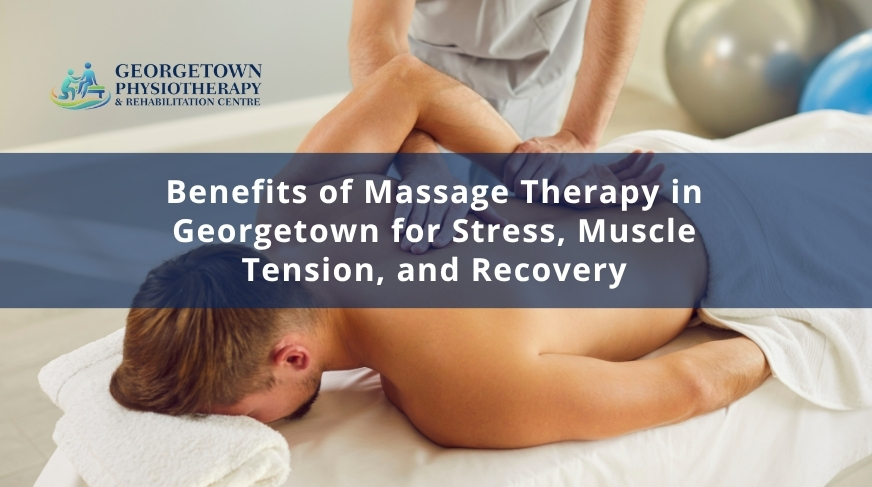
Benefits of Massage Therapy in Georgetown for Stress, Muscle Tension, and Recovery
Modern life places constant demands on our bodies. Long hours at a desk, physically demanding jobs, sports activities, repetitive movements, and everyday stress can all contribute to muscle tightness, discomfort, fatigue, and reduced mobility. While these issues are common, they don’t have to become part of your daily routine.
Massage therapy is a well-established treatment that focuses on the body’s soft tissues to help reduce muscle tension, promote relaxation, improve circulation, and support recovery. Whether you’re an office worker dealing with neck stiffness, an athlete recovering after training, or someone managing ongoing muscular discomfort, massage therapy may be an effective part of your overall wellness and rehabilitation plan.
At Georgetown Physiotherapy & Rehabilitation Centre, our Registered Massage Therapists (RMTs) work alongside physiotherapists to provide individualized care. Depending on your condition and goals, massage therapy may be used on its own or as part of a comprehensive rehabilitation program.
What Is Massage Therapy?
Massage therapy is a regulated healthcare profession in Ontario when provided by a Registered Massage Therapist (RMT).
It involves the assessment and treatment of muscles, tendons, fascia, connective tissue, and other soft tissues using hands-on techniques designed to improve movement, decrease muscle tension, and support recovery.
Depending on your needs, treatment may include:
- Swedish massage
- Deep tissue massage
- Myofascial techniques
- Trigger point therapy
- Sports massage
- Therapeutic soft tissue techniques
Every treatment is tailored to your symptoms, health history, and recovery goals.
How Massage Therapy Works
Muscle tension, repetitive strain, stress, and overuse can contribute to discomfort and reduced mobility.
Massage therapy may help by:
- Relaxing tight muscles
- Improving soft tissue flexibility
- Increasing local circulation
- Reducing muscle stiffness
- Supporting healthy movement
- Promoting relaxation
- Improving body awareness
While many people notice immediate relaxation after a session, long-term improvements often come from combining massage therapy with exercise, education, and healthy movement habits.
Benefits of Massage Therapy
1. Helps Reduce Muscle Tension
Muscle tightness commonly develops from:
- Desk work
- Driving
- Heavy lifting
- Sports training
- Poor movement habits
- Repetitive work
Massage therapy may help reduce muscular tightness and improve comfort, making everyday movement easier.
2. Supports Stress Management
Physical and emotional stress often contribute to muscle tension, particularly around the neck, shoulders, upper back, and jaw.
Massage therapy provides a calming environment that may help:
- Promote relaxation
- Reduce stress-related muscle tightness
- Improve overall well-being
- Encourage better sleep quality
Although massage therapy is not a treatment for mental health conditions, it can be a valuable part of a healthy self-care routine.
3. Helps Improve Flexibility and Mobility
Tight soft tissues can restrict movement.
Massage therapy may help improve flexibility by reducing muscle stiffness and allowing joints to move more comfortably when combined with stretching and exercise.
Improved mobility can make activities such as walking, reaching, exercising, and lifting feel easier.
4. Supports Recovery After Physical Activity
Exercise creates normal stress within muscles and connective tissues.
Massage therapy may help support recovery after:
- Running
- Cycling
- Weight training
- Team sports
- Recreational activities
- Physically demanding work
Recovery programs should always be individualized according to your activity level and training goals.
5. May Help Manage Chronic Muscle Discomfort
People living with ongoing muscular discomfort often experience cycles of pain, stiffness, and reduced movement.
Massage therapy may help improve comfort while allowing patients to participate more effectively in strengthening exercises and rehabilitation programs.
Treatment plans are based on your individual assessment rather than a one-size-fits-all approach.
Massage Therapy for Office Workers
Many Georgetown residents spend long hours sitting at a desk or working on computers.
Common complaints include:
- Neck stiffness
- Shoulder tension
- Upper back discomfort
- Headaches related to muscle tension
- Wrist and forearm tightness
Massage therapy may help reduce soft tissue tension associated with prolonged computer use while supporting better movement throughout the workday.
Massage Therapy for Athletes
Athletes place high physical demands on their muscles.
Massage therapy is commonly incorporated into training programs to support:
- Muscle recovery
- Flexibility
- Movement quality
- Training preparation
- Recovery between competitions
Sports massage should be coordinated with training intensity and competition schedules whenever possible.
Massage Therapy During Injury Rehabilitation
Massage therapy is often most effective when combined with other evidence-informed treatments.
Depending on your condition, your rehabilitation plan may include:
- Physiotherapy
- Manual therapy
- Therapeutic exercise
- Home exercise program
- Laser therapy
- Shockwave therapy
- Massage therapy
Combining treatments allows your healthcare team to address movement, strength, flexibility, and soft tissue health together.
Conditions That May Benefit From Massage Therapy
Massage therapy may be appropriate for people experiencing:
- Muscle tension
- Neck pain
- Upper back discomfort
- Lower back pain
- Shoulder tightness
- Sports-related muscle soreness
- Repetitive strain discomfort
- General muscular stiffness
- Stress-related tension
The suitability of massage therapy depends on your health history, symptoms, and assessment.
Massage Therapy vs Physiotherapy
People often wonder whether they should choose massage therapy or physiotherapy.
The answer depends on your goals.
Massage therapy primarily focuses on soft tissues and muscular tension.
Physiotherapy focuses on:
- Movement assessment
- Rehabilitation
- Strengthening
- Joint mobility
- Functional recovery
- Exercise prescription
Many patients benefit from combining both services as part of an integrated treatment plan.
Everyday Habits That Enhance Your Results
To maximize the benefits of massage therapy:
- Stay hydrated.
- Keep moving between appointments.
- Perform prescribed stretches or exercises.
- Maintain good sleep habits.
- Take regular movement breaks during work.
- Follow your therapist’s recommendations.
Healthy daily habits often help extend the benefits of treatment.
Common Misconceptions
“Massage Therapy Is Only for Relaxation”
While relaxation is an important benefit, massage therapy is also commonly used to support recovery from muscular tension, sports activities, and rehabilitation.
“One Session Will Fix Everything”
Some people notice immediate improvement, while others require multiple treatments depending on their condition, activity level, and recovery goals.
“Massage Therapy Replaces Exercise”
Massage therapy works best alongside active rehabilitation.
For many musculoskeletal conditions, strengthening and movement remain essential parts of long-term recovery.
Frequently Asked Questions
Is massage therapy painful?
Most treatments are comfortable, although certain techniques may produce temporary tenderness depending on the condition being treated. Your therapist will adjust pressure according to your comfort level.
Can massage therapy help stress?
Massage therapy may help promote relaxation and reduce stress-related muscle tension. Individual experiences vary.
How often should I receive massage therapy?
The ideal frequency depends on your symptoms, lifestyle, activity level, and treatment goals. Your Registered Massage Therapist can recommend a schedule based on your individual needs.
Can massage therapy help sports recovery?
Yes. Many athletes include massage therapy as part of their recovery strategy to support flexibility, muscle recovery, and overall performance.
Should I choose massage therapy or physiotherapy?
That depends on your condition. Massage therapy focuses primarily on soft tissues, while physiotherapy emphasizes movement, rehabilitation, and restoring function. Many patients benefit from receiving both treatments together.
Why Choose Georgetown Physiotherapy & Rehabilitation Centre?
At Georgetown Physiotherapy & Rehabilitation Centre, our multidisciplinary team provides individualized treatment plans tailored to your lifestyle, symptoms, and recovery goals.
Our Registered Massage Therapists collaborate with physiotherapists to deliver evidence-informed care that may include:
- Massage Therapy
- Physiotherapy
- Manual Therapy
- Therapeutic Exercise
- Laser Therapy
- Shockwave Therapy
- Chiropractic Care
- Home Exercise Programs
Whether you’re recovering from an injury, managing muscle tension, or looking to improve your overall physical well-being, we’re here to help you move comfortably and confidently.
Georgetown Physiotherapy & Rehabilitation Centre
Address: 333 Mountainview Rd S, Unit #2, Georgetown, ON L7G 5S5, Canada
Phone: +1 905-702-6633
Email: info@georgetownphysiotherapy.ca
Website: https://georgetownphysiotherapy.ca/
Experience the Benefits of Massage Therapy
Massage therapy is more than a way to relax—it’s an evidence-informed treatment that can support muscle health, recovery, mobility, and overall well-being.
If you’re looking for massage therapy in Georgetown, schedule an appointment with Georgetown Physiotherapy & Rehabilitation Centre. Our experienced Registered Massage Therapists will create a personalized treatment plan to help reduce muscle tension, support recovery, improve movement, and help you feel your best.