




 Call For Appointment

Sciatica Treatment in Georgetown: Non-Surgical Ways to Reduce Nerve Pain
Sciatica is one of the most common causes of pain that travels from the lower back into the buttock, hip, and leg. For some people, the discomfort is mild and intermittent, while for others it can interfere with walking, sitting, sleeping, working, and everyday activities. The sharp, burning, or tingling sensations associated with sciatica often leave people wondering whether surgery is the only solution.
The good news is that many people with sciatica improve through conservative, non-surgical treatment, particularly when symptoms are assessed early and managed with an individualized rehabilitation plan. Physiotherapy is frequently recommended as a first-line treatment for many causes of sciatica because it focuses on improving movement, reducing pain, restoring strength, and addressing the underlying mechanical factors contributing to symptoms.
At Georgetown Physiotherapy & Rehabilitation Centre, we provide evidence-informed physiotherapy for people experiencing sciatica and other lower back conditions. Our goal is to help patients reduce pain, improve mobility, and safely return to work, recreation, and daily activities.
What Is Sciatica?
Sciatica is not a diagnosis itself but a term used to describe symptoms caused by irritation or compression of the sciatic nerve, the largest nerve in the body.
The sciatic nerve begins in the lower spine and travels through the buttocks, down the back of each leg, and into the feet. When the nerve becomes irritated, symptoms may develop anywhere along its pathway.
Sciatica may affect one leg or, less commonly, both legs depending on the underlying condition.
Common Symptoms of Sciatica
People experience sciatica differently, but common symptoms include:
- Pain radiating from the lower back into the leg
- Sharp or burning pain
- Tingling or “pins and needles”
- Numbness
- Muscle weakness
- Pain while sitting for long periods
- Discomfort during walking
- Difficulty standing from a seated position
- Leg pain that may be worse than back pain
Symptoms may vary in intensity and location depending on the underlying cause.
What Causes Sciatica?
Several conditions can irritate or compress the sciatic nerve.
Common causes include:
Herniated or Bulging Disc
A disc in the lower spine may press on a nearby nerve root, producing symptoms that travel into the leg.
Degenerative Changes
Age-related changes in the spine can reduce the space available for nerves, contributing to sciatica symptoms.
Spinal Stenosis
Narrowing of the spinal canal may place pressure on nerve structures, particularly in older adults.
Muscle-Related Compression
In some cases, tight muscles around the pelvis and hip, including the piriformis muscle, may contribute to sciatic-like symptoms.
Workplace or Sports Injuries
Lifting injuries, falls, twisting movements, and repetitive physical demands may contribute to lower back injuries associated with sciatica.
Because several different conditions can produce similar symptoms, a thorough assessment is essential before beginning treatment.
Does Sciatica Always Require Surgery?
No.
Although severe cases may require specialist assessment, many people recover without surgery through conservative management.
Healthcare providers often recommend non-surgical treatment first unless there are signs of serious neurological compromise or other urgent medical conditions requiring immediate evaluation.
Physiotherapy plays an important role in helping many people manage symptoms while restoring function.
How Physiotherapy Helps Sciatica
Every rehabilitation program begins with identifying the factors contributing to your symptoms.
Comprehensive Assessment
Your physiotherapist will evaluate:
- Symptom history
- Pain pattern
- Muscle strength
- Joint mobility
- Reflexes when appropriate
- Functional movement
- Walking pattern
- Flexibility
- Work demands
- Activity goals
The assessment helps determine the most appropriate rehabilitation strategy.
Pain Management
Depending on your condition, treatment may include:
- Therapeutic exercise
- Manual therapy
- Movement education
- Gentle mobility techniques
- Soft tissue treatment
- Laser therapy where appropriate
- Activity modification
The goal is to reduce symptoms while encouraging safe movement.
Individualized Exercise Program
Exercise is one of the most important parts of conservative sciatica treatment.
Depending on your assessment, your physiotherapist may prescribe exercises to improve:
- Core strength
- Hip mobility
- Spinal mobility
- Flexibility
- Functional movement
- Walking tolerance
Exercises are selected specifically for your condition rather than using a generic program.
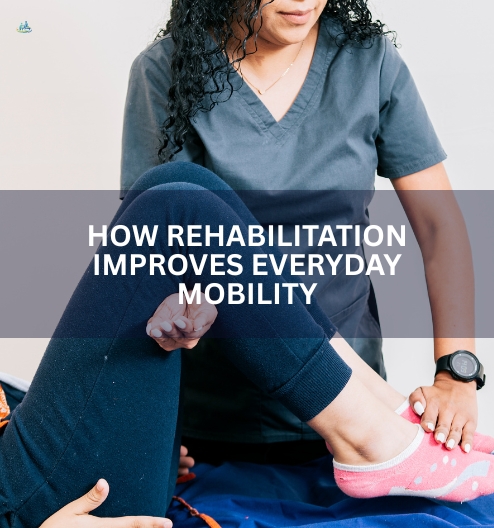
Improving Everyday Movement
Many people with sciatica begin avoiding movement because they fear making symptoms worse.
Your physiotherapist can help you gradually return to activities by improving:
- Walking
- Sitting tolerance
- Lifting mechanics
- Stair climbing
- Workplace movement
- Daily functional activities
Everyday Habits That May Help Reduce Sciatica Symptoms
In addition to physiotherapy, healthy daily habits can support recovery.
Stay Active
For many people, gentle movement is more beneficial than prolonged bed rest.
Walking and prescribed exercises may help maintain mobility.
Avoid Prolonged Sitting
If your job requires sitting for long periods:
- Stand up regularly.
- Walk for a few minutes.
- Stretch gently.
- Change positions frequently.
Practice Safe Lifting
Lift with your legs rather than your back.
Avoid twisting while carrying heavy objects.
Follow Your Home Exercise Program
Completing prescribed exercises consistently is one of the most effective ways to support recovery.
Maintain Good Sleep Habits
Comfortable sleeping positions and adequate rest may help support healing.
Common Mistakes That Can Delay Recovery
Waiting Too Long to Seek Treatment
Persistent nerve pain should be assessed rather than ignored.
Complete Bed Rest
Extended inactivity may contribute to stiffness and weakness for many people with sciatica.
Returning to Heavy Activity Too Soon
Symptoms may improve before strength and function have fully recovered.
Gradual progression is important.
Following Random Online Advice
Different causes of sciatica require different rehabilitation strategies.
Professional assessment helps ensure the exercises and treatments are appropriate for your condition.
When Should You Seek Medical Attention?
While most cases of sciatica are not medical emergencies, seek immediate medical attention if you experience:
- Loss of bowel or bladder control
- Progressive leg weakness
- Numbness in the saddle (groin) area
- Severe trauma followed by back pain
- Fever, unexplained weight loss, or signs of infection with back pain
These symptoms require urgent medical assessment and should not be managed with self-treatment alone.
Frequently Asked Questions
Can physiotherapy help sciatica?
Yes. Physiotherapy may help many people with sciatica by improving movement, reducing pain, increasing strength, and restoring function following a thorough assessment.
Will I need surgery?
Many people recover through conservative care. Surgery is generally reserved for specific situations where symptoms are severe, progressive, or do not improve with appropriate non-surgical management.
How long does recovery take?
Recovery varies depending on the underlying cause, symptom severity, general health, and response to treatment.
Is walking good for sciatica?
For many individuals, walking is encouraged as part of recovery, provided it does not significantly increase symptoms. Your physiotherapist can recommend an appropriate activity level.
Should I continue exercising?
Appropriately prescribed exercises are an important part of rehabilitation. Your physiotherapist will tailor an exercise program based on your assessment.
Why Choose Georgetown Physiotherapy & Rehabilitation Centre?
Our experienced physiotherapy team understands that every case of sciatica is different.
Following a comprehensive assessment, we create individualized rehabilitation plans that may include:
- Physiotherapy
- Therapeutic Exercise
- Manual Therapy
- Laser Therapy
- Shockwave Therapy (for selected musculoskeletal conditions)
- Home Exercise Programs
- Functional Rehabilitation
- Education for Long-Term Prevention
We focus on helping patients move with greater confidence, reduce pain, and safely return to work, sports, and everyday life.
Georgetown Physiotherapy & Rehabilitation Centre
Address: 333 Mountainview Rd S, Unit #2, Georgetown, ON L7G 5S5, Canada
Phone: +1 905-702-6633
Email: info@georgetownphysiotherapy.ca
Website: https://georgetownphysiotherapy.ca/
Start Your Recovery From Sciatica Today
Living with sciatica can make even simple daily activities uncomfortable, but surgery is not always the first or only option.
With a personalized physiotherapy program, healthy movement habits, and evidence-informed rehabilitation, many people experience meaningful improvements in pain, mobility, and overall function.
If you’re looking for , schedule an assessment with Physiotherapy & Rehabilitation Centre. Our team will identify the cause of your symptoms, explain your treatment options, and create a personalized rehabilitation plan to help you return to the activities you enjoy with greater comfort and confidence.