



 Call For Appointment
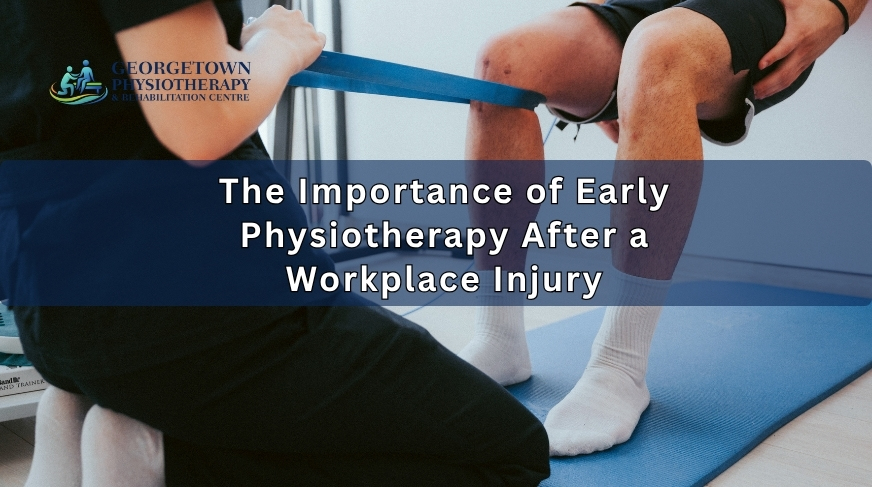
The Importance of Early Physiotherapy After a Workplace Injury
A workplace injury can happen in an instant. Whether it’s lifting a heavy object, slipping on a wet floor, repetitive strain from daily tasks, or an accident involving equipment, an injury can quickly affect your ability to work, move comfortably, and carry out everyday activities.
Many people hope the pain will simply go away with rest. However, delaying assessment and rehabilitation may allow stiffness, weakness, reduced mobility, and altered movement patterns to develop, potentially making recovery more challenging.
For many musculoskeletal workplace injuries, early physiotherapy may support recovery by helping manage pain, restore movement, improve strength, and encourage a safe return to work. Treatment is always individualized and depends on the nature and severity of the injury.
At Georgetown Physiotherapy & Rehabilitation Centre, we provide evidence-informed workplace injury rehabilitation, including care for eligible WSIB claims, with personalized treatment plans focused on helping patients recover safely and confidently.
Common Workplace Injuries
Workplace injuries can occur in physically demanding occupations as well as office environments.
Common injuries include:
- Lower back strains
- Neck pain
- Shoulder injuries
- Knee injuries
- Repetitive strain injuries
- Muscle strains
- Ligament sprains
- Tendon injuries
- Slip and fall injuries
- Lifting-related injuries
Every injury is different, making a professional assessment essential before beginning treatment.
Why Early Physiotherapy Matters
Beginning rehabilitation soon after an injury—when appropriate and after medical assessment—may provide several important benefits.
1. Helps Restore Movement
Pain often causes people to move less.
Reduced activity may lead to:
- Joint stiffness
- Muscle tightness
- Loss of flexibility
- Reduced confidence in movement
Physiotherapy focuses on restoring normal movement through individualized rehabilitation and gradual progression.
2. Supports Pain Management
Depending on your condition, treatment may include:
- Therapeutic exercise
- Manual therapy
- Movement education
- Soft tissue techniques
- Activity modification
- Laser therapy where clinically appropriate
The goal is not only to reduce pain but also to improve your ability to function during everyday activities.
3. Helps Prevent Long-Term Weakness
Following an injury, muscles can quickly lose strength if they are not used appropriately.
Your physiotherapist develops an exercise program that gradually rebuilds:
- Strength
- Endurance
- Stability
- Functional capacity
Progression is based on your symptoms, healing stage, and job demands.
4. Encourages Safe Return to Work
Returning to work too early—or waiting too long—can both create challenges.
Physiotherapy helps prepare you for work by improving:
- Mobility
- Strength
- Balance
- Lifting ability
- Functional movement
- Work-specific physical capacity
Where appropriate, treatment may be coordinated with modified duties and graduated return-to-work plans.
5. Promotes Confidence During Recovery
After an injury, many people become hesitant to move because they fear making the injury worse.
Education and guided rehabilitation help patients understand safe movement and gradually rebuild confidence.
How Physiotherapy Helps Workplace Injury Recovery
Every rehabilitation plan begins with a comprehensive assessment.
Your physiotherapist may evaluate:
- Pain location
- Range of motion
- Muscle strength
- Joint mobility
- Functional movement
- Balance
- Walking pattern
- Work duties
- Job demands
- Recovery goals
Treatment is then tailored to your specific occupation and injury.
Individualized Treatment Options
Depending on your assessment, your rehabilitation program may include:
- Physiotherapy
- Therapeutic exercise
- Manual therapy
- Functional rehabilitation
- Stretching
- Strengthening exercises
- Balance training
- Home exercise program
- Laser therapy when appropriate
- Shockwave therapy for selected musculoskeletal conditions
The objective is to improve function and help you safely return to meaningful activities.
Common Workplace Injuries That May Benefit From Physiotherapy
Lower Back Injuries
Often caused by:
- Heavy lifting
- Twisting
- Repetitive bending
- Prolonged physical work
Treatment may focus on restoring mobility, improving strength, and teaching safer lifting techniques.
Neck Injuries
Office workers and physically demanding occupations may both experience neck pain from repetitive tasks or awkward positions.
Treatment may include:
- Mobility exercises
- Manual therapy
- Strengthening
- Ergonomic advice
Shoulder Injuries
Shoulder pain may develop from overhead work, repetitive lifting, or falls.
Rehabilitation emphasizes restoring movement, improving strength, and gradually returning to work tasks.
Knee Injuries
Kneeling, climbing, squatting, and lifting may contribute to workplace knee injuries.
Treatment focuses on mobility, strengthening, and functional recovery.
The Role of WSIB Physiotherapy
If your workplace injury is covered by the Workplace Safety and Insurance Board (WSIB), physiotherapy may be an important part of your recovery plan.
WSIB-supported rehabilitation aims to:
- Promote functional recovery
- Support safe return to work
- Improve mobility
- Reduce disability
- Encourage evidence-informed rehabilitation
Your eligibility and treatment plan depend on your individual claim and assessment.
Everyday Habits That Support Recovery
Physiotherapy sessions are only one part of rehabilitation.
Daily habits also matter.
Helpful strategies include:
- Completing your home exercise program
- Following work restrictions
- Avoiding heavy lifting until advised
- Staying physically active within recommended limits
- Getting adequate sleep
- Maintaining good nutrition
- Reporting changes in symptoms promptly
Consistency often plays a key role in successful recovery.
Common Mistakes After a Workplace Injury
Waiting Too Long to Seek Care
Early assessment may help identify contributing factors before symptoms become more persistent.
Returning to Heavy Work Too Soon
Pain may improve before tissues regain full strength.
Gradual progression helps reduce the risk of reinjury.
Avoiding All Movement
Complete inactivity may contribute to stiffness and weakness.
Your physiotherapist will recommend safe levels of activity.
Ignoring Home Exercises
Rehabilitation continues between clinic visits.
Completing prescribed exercises consistently supports long-term recovery.
Frequently Asked Questions
Why is early physiotherapy important after a workplace injury?
Early physiotherapy may help restore movement, improve strength, reduce pain, and support a safe return to work, depending on the nature of the injury.
Can physiotherapy help prevent chronic pain?
For many musculoskeletal injuries, early assessment and appropriate rehabilitation may reduce the risk of ongoing movement limitations and persistent symptoms, although outcomes vary between individuals.
Can I receive physiotherapy through WSIB?
Eligible workers with approved WSIB claims may receive physiotherapy as part of their rehabilitation program. Coverage depends on your claim status and individual circumstances.
How long will rehabilitation take?
Recovery timelines vary depending on the injury, job demands, general health, and response to treatment.
Will I be able to return to work?
Many people successfully return to work following rehabilitation. Your physiotherapist will work with you and, where appropriate, your healthcare team and employer to support a safe, graduated return.
Why Choose Georgetown Physiotherapy & Rehabilitation Centre?
At Georgetown Physiotherapy & Rehabilitation Centre, we understand that recovering from a workplace injury involves more than relieving pain—it means helping you return to work safely, confidently, and with the physical capacity your job requires.
Our experienced rehabilitation team provides individualized treatment plans that may include:
- Physiotherapy
- Manual Therapy
- Therapeutic Exercise
- Functional Rehabilitation
- Massage Therapy
- Chiropractic Care
- Laser Therapy
- Shockwave Therapy
- Home Exercise Programs
- Workplace Injury & WSIB Rehabilitation
We tailor every program to your injury, occupation, and recovery goals while emphasizing evidence-informed care and functional outcomes.
Georgetown Physiotherapy & Rehabilitation Centre
Address: 333 Mountainview Rd S, Unit #2, Georgetown, ON L7G 5S5, Canada
Phone: +1 905-702-6633
Email: info@georgetownphysiotherapy.ca
Website: https://georgetownphysiotherapy.ca/
Start Your Recovery Early
A workplace injury doesn’t have to lead to long-term limitations.
For many musculoskeletal conditions, beginning physiotherapy early may help improve mobility, restore strength, support pain management, and prepare you for a safe return to work.
If you’ve been injured on the job and are looking for workplace injury physiotherapy in Georgetown, contact Georgetown Physiotherapy & Rehabilitation Centre to schedule an assessment. Our team will create a personalized rehabilitation plan that supports your recovery and helps you get back to work and everyday life with greater confidence.