



 Call For Appointment
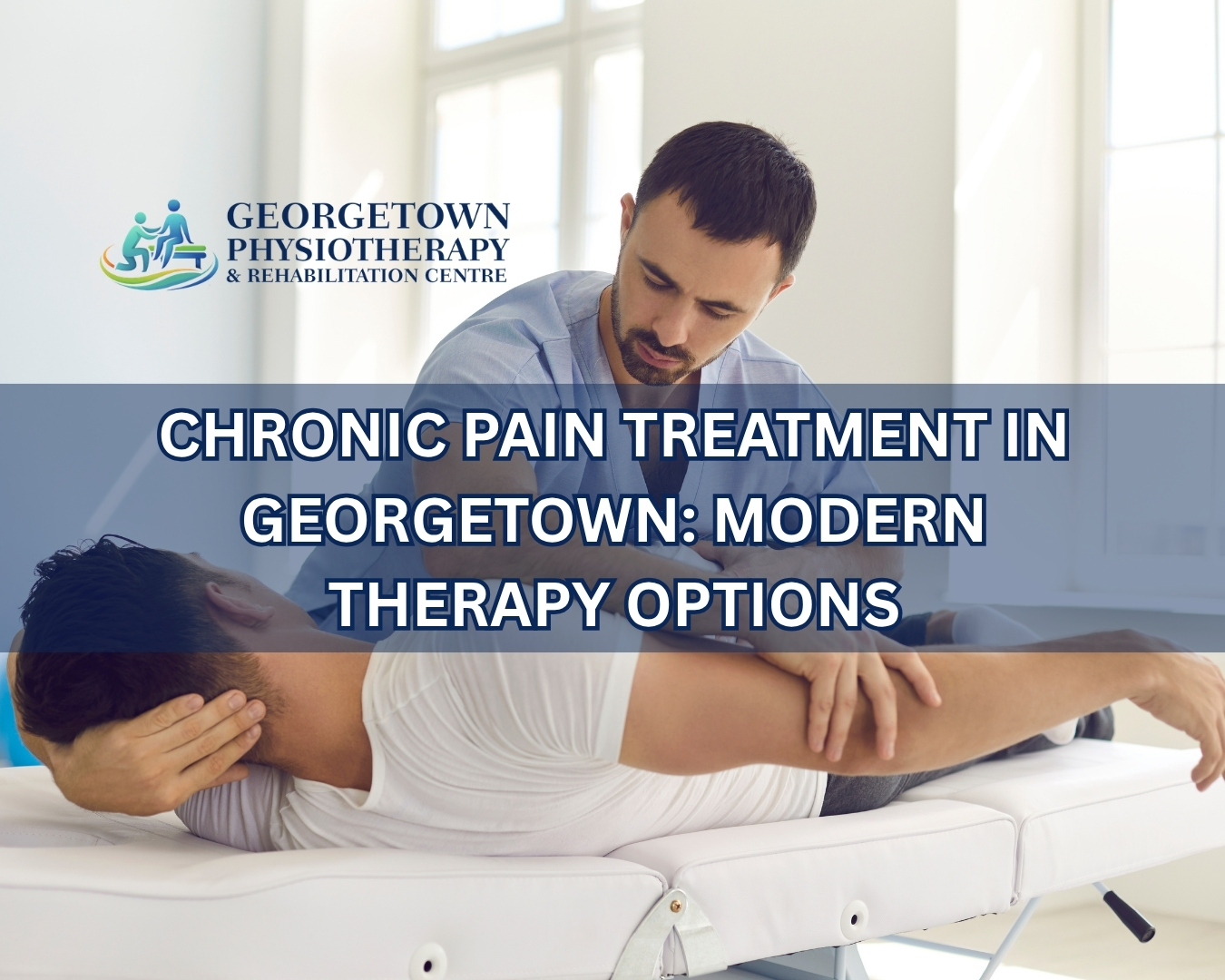
Chronic Pain Treatment in Georgetown: Modern Therapy Options
Chronic pain can affect every aspect of daily life. Simple activities such as walking, working, exercising, sleeping, or sitting comfortably may become difficult when pain continues for weeks or months. Unlike temporary discomfort caused by minor injuries, chronic pain often persists long after the original issue has healed.
Fortunately, modern rehabilitation and therapy options can help manage chronic pain naturally while improving mobility and overall quality of life. Today, many residents searching for chronic pain treatment in Georgetown choose professional physiotherapy and rehabilitation services to reduce discomfort and restore physical function safely.
What Is Chronic Pain?
Chronic pain refers to pain that continues for several weeks, months, or even longer. In many cases, the discomfort remains even after the original injury or condition has improved.
Chronic pain may affect:
Additionally, chronic pain may gradually affect mobility, sleep quality, emotional well-being, and overall daily function.
Common Causes of Chronic Pain
Several conditions may contribute to long-term pain and physical discomfort.
Common causes of chronic pain include:
- Lower back pain
- Neck pain
- Arthritis
- Sciatica
- Sports injuries
- Workplace injuries
- Post-surgical discomfort
- Muscle tension
- Joint inflammation
- Nerve irritation
- Repetitive strain injuries
Because every patient experiences pain differently, professional assessment remains important for identifying contributing factors and developing the right rehabilitation plan.
Symptoms of Chronic Pain
Chronic pain symptoms may vary depending on the condition and affected area.
Common symptoms include:
- Persistent aching or stiffness
- Burning sensations
- Muscle tightness
- Reduced mobility
- Joint pain
- Fatigue
- Tingling or numbness
- Difficulty performing daily activities
- Sleep disturbances
Furthermore, long-term discomfort may contribute to stress, anxiety, and reduced physical activity levels.
Why Early Treatment Matters
Ignoring chronic pain may allow symptoms to worsen over time. In many cases, ongoing discomfort leads to reduced flexibility, muscle weakness, and movement limitations.
Seeking early rehabilitation may help:
- Reduce inflammation
- Improve mobility
- Restore flexibility
- Strengthen supporting muscles
- Improve circulation
- Reduce muscle tension
- Improve posture and movement patterns
Consequently, professional treatment often improves long-term recovery outcomes and overall quality of life.
Physiotherapy for Chronic Pain Relief
Physiotherapy is one of the most effective non-invasive treatments for chronic pain management. Rather than simply masking symptoms, physiotherapy focuses on improving movement patterns and addressing the underlying causes contributing to pain.
Depending on the condition, physiotherapy treatment may include:
- Stretching exercises
- Strengthening programs
- Manual therapy
- Mobility training
- Posture correction
- Soft tissue therapy
- Balance exercises
Together, these treatments help improve physical function while reducing strain on muscles and joints.
Laser Therapy for Chronic Pain
- Reduce inflammation
- Improve circulation
- Support tissue repair
- Relieve muscle tension
- Reduce chronic discomfort
- Improve mobility
Additionally, many rehabilitation programs combine laser therapy with physiotherapy exercises for improved results.
Chiropractic Care for Long-Term Pain Management
- Improve spinal alignment
- Reduce muscle tension
- Improve posture
- Relieve joint stiffness
- Improve movement patterns
Furthermore, combining chiropractic care with physiotherapy often provides more comprehensive rehabilitation support.
Massage Therapy for Muscle Tension and Stress
Chronic pain frequently causes muscle tightness and stress-related tension throughout the body. Massage therapy helps improve circulation while relaxing muscles and soft tissues.
Massage therapy may help with:
- Muscle stiffness
- Neck and shoulder tension
- Stress-related discomfort
- Soft tissue pain
- Circulation improvement
- Relaxation and recovery
As a result, many patients experience improved comfort and flexibility after treatment sessions.
Exercise Therapy and Mobility Improvement
Movement plays a major role in chronic pain management. Although many patients avoid activity because of discomfort, controlled exercise often helps improve flexibility, strength, and circulation safely.
Exercise-based rehabilitation may include:
- Stretching exercises
- Core strengthening
- Balance training
- Walking programs
- Mobility exercises
- Posture correction exercises
Importantly, exercises should always be customized according to the patient’s condition and physical ability.
Chronic Back and Neck Pain Treatment
Back and neck pain are among the most common chronic pain conditions affecting adults in Georgetown. Long hours sitting at desks, poor posture, repetitive movements, and stress often contribute to ongoing discomfort.
Modern rehabilitation programs may help by:
- Improving spinal mobility
- Strengthening supporting muscles
- Correcting posture
- Reducing nerve irritation
- Improving flexibility
Consequently, many patients experience improved movement and reduced daily discomfort through consistent rehabilitation.
Chronic Pain and Mental Well-Being
Living with ongoing pain may also affect emotional health and daily motivation. In many cases, chronic discomfort contributes to stress, fatigue, frustration, and reduced physical activity.
Fortunately, rehabilitation programs help patients gradually regain:
- Physical confidence
- Mobility
- Strength
- Flexibility
- Independence in daily activities
Additionally, reducing pain often improves sleep quality and overall wellness.
Lifestyle Tips for Managing Chronic Pain
Along with professional treatment, certain lifestyle habits may help reduce discomfort and support long-term pain management.
Helpful strategies include:
- Staying physically active safely
- Maintaining proper posture
- Stretching regularly
- Taking movement breaks during work
- Managing stress levels
- Following rehabilitation exercises consistently
- Maintaining healthy sleep habits
Moreover, consistent physiotherapy support often helps patients manage symptoms more effectively over time.
When Should You Seek Professional Help?
Although occasional discomfort may improve temporarily, chronic pain lasting several weeks or months should not be ignored.
You should consider professional treatment if you experience:
- Persistent back or neck pain
- Joint stiffness
- Reduced mobility
- Nerve-related symptoms
- Recurring muscle tension
- Pain affecting daily activities
- Ongoing discomfort after injuries or surgery
Early rehabilitation may help prevent symptoms from becoming more severe.
Personalized Chronic Pain Rehabilitation Programs
Every patient experiences chronic pain differently. Therefore, rehabilitation programs should always be customized according to the patient’s symptoms, mobility limitations, and recovery goals.
At Georgetown Physiotherapy & Rehabilitation Centre, rehabilitation professionals carefully evaluate:
- Pain severity
- Movement limitations
- Posture and movement patterns
- Muscle strength and flexibility
- Daily activity challenges
- Recovery goals
Because of this personalized approach, patients receive targeted rehabilitation focused on long-term pain relief and improved physical function.
Why Georgetown Residents Choose Professional Rehabilitation Clinics
Choosing a trusted local rehabilitation clinic makes ongoing treatment more convenient and accessible. Since chronic pain management often requires consistent care, many Georgetown residents prefer nearby rehabilitation services.
Patients commonly look for clinics that provide:
- Personalized rehabilitation plans
- Experienced physiotherapists
- Flexible appointment scheduling
- Modern therapy techniques
- Multiple rehabilitation services under one roof
- Patient-focused care
Georgetown Physiotherapy & Rehabilitation Centre continues helping local residents manage chronic pain naturally through professional physiotherapy and rehabilitation services.
Start Your Recovery Journey Today
Whether you are dealing with chronic back pain, arthritis, nerve discomfort, or long-term muscle tension, personalized physiotherapy and rehabilitation services can help support your recovery goals safely and effectively.
Contact Information
Georgetown Physiotherapy & Rehabilitation Centre
333 Mountainview Rd S, Unit #2
Georgetown, ON L7G 5S5
Canada
- Phone: +1 905 702 6633
- Email: info@georgetownphysiotherapy.ca
- Website: Georgetown Physiotherapy & Rehabilitation Centre