

 Call For Appointment
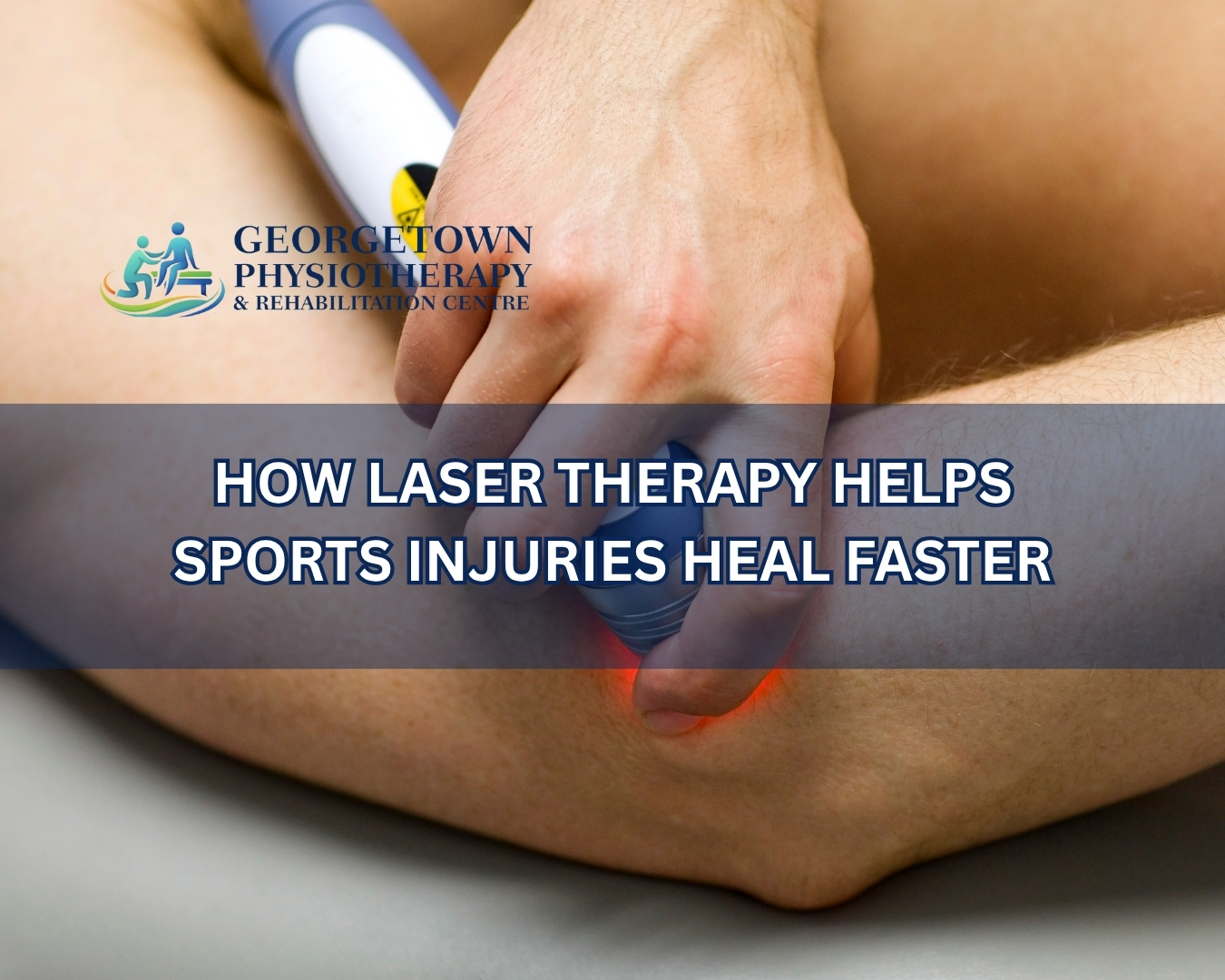
How Laser Therapy Helps Sports Injuries Heal Faster
Sports and physical activity place significant demands on the body. Whether participating in recreational sports, gym training, running, cycling, or competitive athletics, athletes regularly stress muscles, joints, tendons, and ligaments during movement and performance.
While physical activity offers many health benefits, it also increases the risk of sports injuries such as muscle strains, ligament sprains, tendon irritation, joint inflammation, and repetitive stress injuries. These conditions can limit mobility, reduce athletic performance, and interfere with daily activities if not treated properly.
Athletes today are increasingly looking for non-invasive treatment options that support faster recovery while helping them return to activity safely. One rehabilitation method becoming more popular in sports medicine and physiotherapy clinics is laser therapy.
Laser therapy is commonly used alongside physiotherapy and rehabilitation exercises to help reduce inflammation, support tissue healing, and improve recovery from sports injuries naturally.
At Georgetown Physiotherapy & Rehabilitation Centre, laser therapy is integrated into personalized sports rehabilitation programs designed to help athletes recover safely and improve long-term mobility.
What Is Laser Therapy?
Laser therapy, also called low-level laser therapy (LLLT) or cold laser therapy, uses focused light energy to stimulate healing within muscles, tendons, ligaments, and soft tissues.
Unlike surgical lasers, rehabilitation laser therapy does not cut or burn tissue. Instead, it works by delivering light energy to damaged areas to support the body’s natural healing response.
Laser therapy may help:
- Reduce inflammation
- Improve blood circulation
- Stimulate tissue repair
- Reduce muscle tension
- Support nerve recovery
- Improve healing response
Research suggests laser therapy may support recovery from various musculoskeletal injuries and sports-related conditions.
Why Sports Injuries Take Time to Heal
Sports injuries often involve damage to soft tissues such as muscles, ligaments, tendons, and joints.
Healing may take time because injured tissues often experience:
Without proper rehabilitation, some injuries may become chronic or increase the risk of reinjury.
How Laser Therapy Helps Sports Injury Recovery
Reduces Inflammation
Inflammation is one of the body’s natural responses to injury, but excessive inflammation may increase pain and delay recovery.
Laser therapy may help reduce inflammatory responses within injured tissues.
Reducing inflammation may improve comfort and allow athletes to begin rehabilitation exercises more effectively.
Improves Blood Circulation
Healthy circulation is extremely important for tissue healing because blood delivers oxygen and nutrients to injured areas.
Laser therapy may help improve circulation around damaged tissues, supporting recovery and repair.
Supports Tissue Healing
Laser therapy stimulates cellular activity through a process called photobiomodulation.
This process may help:
- Stimulate tissue repair
- Improve cellular function
- Accelerate healing response
- Improve recovery efficiency
Research suggests laser therapy may support healing in muscles, tendons, and ligaments.
Reduces Pain Naturally
Sports injuries often cause pain that limits movement and rehabilitation progress.
Laser therapy may help reduce pain sensitivity and improve comfort without invasive procedures or heavy reliance on medication.
Improves Mobility
Reducing pain and inflammation may help athletes move more comfortably during rehabilitation exercises and recovery training.
Improved mobility is important for restoring normal movement patterns and preventing stiffness.
Common Sports Injuries Treated with Laser Therapy
Laser therapy is commonly used for both acute and chronic sports injuries.
Muscle Strains
Laser therapy may help reduce inflammation and muscle tightness caused by strains and overuse injuries.
Ligament Sprains
Ankle sprains and knee ligament injuries are common among athletes and active individuals.
Tendon Injuries
Conditions such as tennis elbow, golfer’s elbow, and Achilles tendon irritation may benefit from combined laser therapy and rehabilitation.
Knee Pain
Laser therapy may help support recovery from sports-related knee pain and inflammation.
Shoulder Injuries
Athletes involved in overhead sports often experience shoulder strain and rotator cuff irritation.
Shin Splints
Runners commonly experience shin pain caused by repetitive stress and overtraining.
Laser Therapy Combined with Physiotherapy
Laser therapy is often most effective when combined with physiotherapy and rehabilitation exercises.
At Georgetown Physiotherapy & Rehabilitation Centre, sports rehabilitation programs may include:
- Physiotherapy
- Laser Therapy
- Mobility training
- Stretching exercises
- Strengthening programs
- Functional movement rehabilitation
This combination approach helps address both tissue healing and movement recovery.
Physiotherapy for Sports Injury Recovery
Physiotherapy focuses on restoring strength, flexibility, stability, and movement after injuries.
Sports physiotherapy may help athletes:
- Improve mobility
- Rebuild strength
- Correct movement patterns
- Reduce reinjury risk
- Improve athletic performance
Early rehabilitation often improves recovery outcomes and reduces long-term complications.
Massage Therapy for Athletes
Massage therapy is commonly used alongside laser therapy to improve muscle recovery.
Benefits may include:
- Reduced muscle soreness
- Improved circulation
- Better flexibility
- Reduced tension
- Improved recovery comfort
Many athletes include massage therapy as part of regular recovery and maintenance routines.
Chiropractic Care for Athletic Mobility
Chiropractic care focuses on spinal alignment and joint mobility.
Athletes may benefit from chiropractic treatments for:
- Improved mobility
- Better posture
- Reduced joint stiffness
- Improved movement efficiency
- Reduced muscular tension
Integrated rehabilitation approaches may help athletes recover more effectively.
What a Laser Therapy Session Is Like
Most laser therapy sessions are painless and relatively short.
During treatment:
- A therapist applies the laser device to the injured area
- Light energy penetrates the tissues
- Patients typically feel little or no discomfort
- No downtime is required afterward
Treatment frequency depends on the injury severity and rehabilitation goals.
Is Laser Therapy Safe?
Research generally considers low-level laser therapy safe when performed by trained professionals.
Laser therapy is non-invasive and usually well tolerated by most patients.
However, professional assessment is important to determine whether the treatment is appropriate for the specific injury.
Tips for Faster Sports Injury Recovery
Follow Rehabilitation Instructions
Consistency is extremely important during injury recovery.
Avoid Returning Too Soon
Returning to sports too quickly may increase the risk of reinjury.
Prioritize Mobility and Strength
Weak muscles and poor movement mechanics often contribute to repeated injuries.
Stay Consistent with Recovery Exercises
Home exercises help maintain rehabilitation progress between appointments.
Allow Proper Rest
The body requires adequate recovery time to repair damaged tissues.
When Athletes Should Seek Professional Help
Athletes should seek rehabilitation support if they experience:
- Persistent pain
- Swelling
- Reduced mobility
- Muscle weakness
- Joint instability
- Repeated injuries
- Difficulty returning to sports
Early intervention often improves recovery speed and long-term athletic performance.
Why Georgetown Athletes Choose Georgetown Physiotherapy & Rehabilitation Centre
Many athletes and active individuals trust Georgetown Physiotherapy & Rehabilitation Centre for personalized sports rehabilitation and injury recovery care.
Services include:
- Sports Injury Physiotherapy
- Laser Therapy
- Massage Therapy
- Chiropractic Care
- Mobility Rehabilitation
- Strength and Recovery Programs
Treatment plans are designed to help athletes recover safely while improving performance and reducing injury risk.
Final Thoughts
Sports injuries can interrupt training, reduce performance, and affect overall quality of life. Proper rehabilitation is essential for safe and complete recovery.
When combined with physiotherapy, massage therapy, strengthening exercises, and movement rehabilitation, laser therapy may help athletes recover more effectively and return to activity with greater confidence.
Contact Information
Georgetown Physiotherapy & Rehabilitation Centre
333 Mountainview Rd S, Unit #2, Georgetown, ON L7G 5S5, Canada
Phone: +1 905 702 6633
Email: info@georgetownphysiotherapy.ca
Website: Georgetown Physiotherapy Official Website