


 Call For Appointment
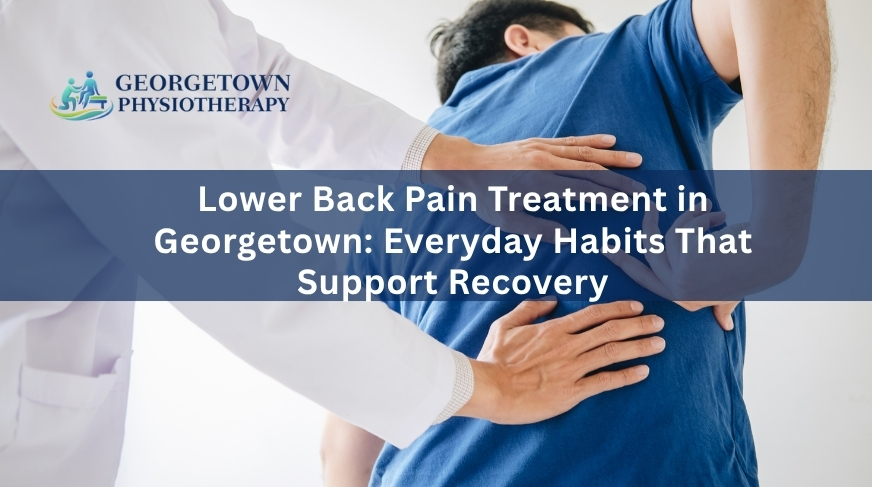
Lower Back Pain Treatment in Georgetown: Everyday Habits That Support Recovery
Lower back pain can affect almost every part of daily life. Getting out of bed, sitting at work, driving, lifting groceries, exercising, or playing with your children can become difficult when your back hurts.
The good news is that many cases of lower back pain improve with appropriate conservative care, physical activity, education, and gradual rehabilitation. Treatment should be based on the individual’s symptoms, functional limitations, health history, and goals rather than relying on a single treatment for everyone.
The World Health Organization identifies low back pain as the leading cause of disability worldwide and emphasizes rehabilitation, physical activity, self-management, healthy lifestyle habits, and person-centred care.
At Georgetown Physiotherapy & Rehabilitation Centre, physiotherapy can help identify factors contributing to your back pain and develop an individualized plan to improve movement, strength, function, and confidence.
What Is Lower Back Pain?
Lower back pain refers to discomfort experienced in the area between the lower ribs and the buttocks.
It can be:
- Acute: lasting less than 6 weeks
- Subacute: lasting approximately 6–12 weeks
- Chronic: lasting more than 12 weeks
Low back pain can be specific, meaning there is an identifiable underlying condition, or non-specific, where no single structural cause can adequately explain the symptoms.
WHO reports that non-specific low back pain accounts for the majority of low back pain presentations.
Symptoms may include:
- Aching
- Stiffness
- Muscle tightness
- Pain during bending
- Difficulty sitting
- Pain while standing
- Reduced mobility
- Discomfort during lifting
- Pain extending toward the buttocks or legs
When symptoms travel into the leg and are accompanied by neurological symptoms, the presentation may involve sciatica or another form of nerve-related pain.
Common Causes of Lower Back Pain
Lower back pain can develop for many different reasons.
Muscle Strain
Lifting, twisting, sudden movements, or an increase in physical activity can overload the muscles around the lower back.
Prolonged Sitting
Spending long periods sitting at a desk or behind the wheel can reduce movement throughout the day and contribute to stiffness and discomfort.
Repetitive Physical Work
Jobs involving frequent:
- Bending
- Lifting
- Carrying
- Twisting
- Pushing
- Pulling
may place repeated physical demands on the lower back.
Reduced Physical Activity
A sedentary lifestyle may contribute to reduced strength and physical capacity.
Previous Injury
A previous episode of back pain can sometimes make a person more cautious with movement, which may lead to reduced activity and deconditioning.
Importantly, back pain does not always mean that your spine is “damaged.” Symptoms can result from a combination of physical, psychological, occupational, and lifestyle factors.
10 Everyday Habits That Can Support Back Pain Recovery
Treatment doesn’t stop when you leave the physiotherapy clinic.
Your daily routine can have a significant influence on recovery.
1. Keep Moving
One of the most important habits is maintaining appropriate physical activity.
Instead of remaining in bed or sitting for prolonged periods, try to incorporate comfortable movement throughout the day.
Depending on your symptoms, this may include:
- Walking
- Gentle mobility exercises
- Light household activities
- Short movement breaks
WHO recommends physical activity and rehabilitation as important components of managing low back pain.
2. Avoid Prolonged Sitting
If you work at a desk, try not to remain seated for several consecutive hours.
Instead:
- Stand regularly.
- Walk during short breaks.
- Change sitting positions.
- Alternate between sitting and standing when practical.
- Avoid working continuously through pain.
There is no single “perfect” sitting position that must be maintained all day. Changing positions regularly is often more useful than trying to sit rigidly in one posture.
3. Build Strength Gradually
Strong muscles help your body tolerate everyday physical demands.
Depending on your assessment, physiotherapy exercises may target:
- Core muscles
- Gluteal muscles
- Hip muscles
- Lower back muscles
- Legs
Strengthening should progress gradually.
Starting with exercises that are too difficult can aggravate symptoms, while avoiding activity altogether may reduce physical capacity.
A physiotherapist can help determine an appropriate starting point.
4. Improve Hip and Spine Mobility
Limited movement around the hips or upper back can affect how the body performs everyday activities.
Your physiotherapist may prescribe mobility exercises targeting:
- Hips
- Thoracic spine
- Lumbar spine
- Hamstrings
- Other relevant muscle groups
The right exercises depend on the individual presentation.
There is no universal stretching routine that is appropriate for every type of back pain.
5. Use Better Lifting Strategies
Lifting is not inherently bad for your back.
Problems can occur when the physical demand exceeds your current capacity.
When lifting:
- Plan the movement before starting.
- Keep the load close to your body.
- Avoid sudden twisting.
- Use your hips and legs.
- Ask for assistance when necessary.
- Gradually build lifting capacity.
The goal isn’t to avoid bending or lifting forever. Rehabilitation should help you progressively regain the ability to perform these movements safely.
6. Take Care of Your Sleep
Poor sleep can make pain harder to manage and may interfere with recovery.
Helpful strategies include:
- Maintaining a consistent sleep schedule
- Creating a comfortable sleeping environment
- Choosing a comfortable position
- Avoiding excessive screen use before bed
- Addressing persistent sleep problems with an appropriate healthcare professional
If a particular sleeping position consistently aggravates your symptoms, discuss it with your physiotherapist.
7. Maintain a Healthy Activity Level
Exercise doesn’t have to mean intense gym workouts.
Depending on your ability, healthy movement could include:
- Walking
- Swimming
- Cycling
- Strength training
- Recreational sports
- Mobility exercises
The best activity is usually one you can perform consistently and safely.
8. Manage Workplace Physical Demands
If your job involves physical labour, your rehabilitation plan should reflect your actual work requirements.
For example, a construction worker may need progressive training for:
- Lifting
- Carrying
- Bending
- Climbing
- Repetitive tasks
An office worker may need more emphasis on:
- Movement breaks
- Ergonomics
- Sitting tolerance
- Strength
- Mobility
A personalized approach is more useful than generic workplace advice.
9. Follow Your Physiotherapy Home Programme
A physiotherapy appointment is only one part of recovery.
Your home exercise programme may help you:
- Build strength
- Improve mobility
- Increase endurance
- Restore movement confidence
- Return to normal activities
Consistency matters.
Completing a smaller number of appropriate exercises regularly is generally more useful than performing a large number of random exercises occasionally.
10. Increase Activity Gradually
One of the most common mistakes is going from very little activity to a high workload too quickly.
For example:
Low activity → moderate activity → higher activity → normal workload
Gradual progression gives your body time to adapt.
This is particularly important after an injury, period of inactivity, or significant flare-up.
How Physiotherapy Can Help Lower Back Pain
Physiotherapy begins with assessment rather than automatically prescribing the same treatment to everyone.
Your physiotherapist may assess:
- Pain behaviour
- Lumbar mobility
- Hip movement
- Muscle strength
- Functional movement
- Balance
- Walking
- Work requirements
- Previous injuries
- Physical activity levels
Based on the findings, treatment may include:
- Therapeutic exercise
- Strength training
- Mobility exercises
- Manual therapy
- Movement education
- Functional rehabilitation
- Home exercise programmes
- Ergonomic guidance
The WHO guideline for chronic primary low back pain supports a person-centred, multimodal approach and identifies education, exercise, some physical therapies, and other appropriately selected interventions among non-surgical options.
Why Exercise Is Important for Back Pain
Exercise is not simply about strengthening your back.
A well-designed programme can improve:
- Physical capacity
- Confidence with movement
- Strength
- Endurance
- Mobility
- Functional performance
Exercise selection should be based on your current ability and gradually progressed.
The goal is to make your body more capable of handling the activities that matter to you.
Lower Back Pain and Stress
Pain and stress can influence one another.
Persistent back pain may affect:
- Sleep
- Mood
- Concentration
- Work
- Social activities
- Exercise
At the same time, stress and poor sleep can make symptoms more difficult to manage.
This is one reason modern back-pain care increasingly takes a biopsychosocial approach, considering physical, psychological, and social factors rather than focusing exclusively on the spine.
WHO recommends holistic, person-centred management for chronic primary low back pain.
Common Mistakes That Can Delay Recovery
Staying in Bed for Too Long
Extended inactivity can contribute to stiffness, weakness, and reduced confidence.
Avoiding All Bending
Completely avoiding bending may make everyday activities harder in the long term.
Instead, rehabilitation should gradually restore comfortable bending capacity.
Returning to Heavy Work Too Quickly
Feeling better does not necessarily mean your physical capacity has completely recovered.
Chasing Pain-Free Movement at All Costs
Some rehabilitation exercises may produce mild, temporary symptoms without causing harm, but significant or worsening symptoms should be discussed with your healthcare provider.
Following Generic Internet Exercises
Back pain has many presentations.
An exercise that helps one person may not be suitable for another.
When Should You See a Physiotherapist?
Consider a physiotherapy assessment if your lower back pain:
- Keeps returning
- Limits your work
- Makes exercise difficult
- Interferes with daily activities
- Has persisted longer than expected
- Is affecting your confidence in movement
- Is not improving with appropriate self-care
A physiotherapist can assess your movement and help determine whether rehabilitation is appropriate.
When Should You Seek Urgent Medical Care?
Most lower back pain is not an emergency. However, certain symptoms require prompt medical assessment.
Seek urgent medical attention if back pain occurs with symptoms such as:
- New loss of bladder or bowel control
- Numbness around the groin or saddle region
- Significant or rapidly worsening leg weakness
- Major trauma
- Fever or other signs of serious infection
- Unexplained weight loss or other concerning systemic symptoms
These symptoms can indicate conditions requiring medical investigation rather than routine physiotherapy.
What is the best treatment for lower back pain?
There is no single treatment that works for everyone. Treatment depends on the cause, duration, severity, functional limitations, and individual circumstances. For many non-specific cases, education, physical activity, exercise, and appropriately selected rehabilitation are important components of care.
Is walking good for lower back pain?
For many people, walking is an appropriate low-impact activity that helps maintain movement and physical capacity. Your activity level should be adjusted according to your symptoms and individual condition.
Should I rest when my back hurts?
Short-term activity modification can be appropriate during a flare-up, but prolonged inactivity is generally not the goal. Gradual return to normal activity is usually encouraged when medically appropriate.
Can physiotherapy help lower back pain?
Yes. Physiotherapy may help improve strength, mobility, physical capacity, and function while providing education and strategies for managing symptoms.
How long does lower back pain take to improve?
Recovery varies considerably. Many acute episodes improve over days or weeks, while persistent symptoms may require a longer rehabilitation approach. WHO notes that some acute episodes resolve on their own while others become persistent.
Can massage therapy help back pain?
Massage therapy may help some people manage symptoms, particularly as part of a broader rehabilitation programme. WHO includes massage among physical therapies that may be considered for chronic primary low back pain, while emphasizing person-centred and multimodal care.
Why Choose Georgetown Physiotherapy & Rehabilitation Centre?
At Georgetown Physiotherapy & Rehabilitation Centre, we understand that lower back pain can affect work, exercise, family life, and everyday independence.
Our team develops individualized treatment plans based on your symptoms, physical abilities, lifestyle, and goals.
Depending on your assessment, treatment may include:
- Physiotherapy
- Therapeutic Exercise
- Manual Therapy
- Functional Rehabilitation
- Massage Therapy
- Chiropractic Care
- Laser Therapy
- Shockwave Therapy
- Mobility Training
- Strength Training
- Home Exercise Programmes
The goal isn’t simply to make your back feel better temporarily. It’s to help you understand your condition, restore physical capacity, and build strategies that support long-term function.
Georgetown Physiotherapy & Rehabilitation Centre
Address: 333 Mountainview Rd S, Unit #2, Georgetown, ON L7G 5S5, Canada
Phone: +1 905-702-6633
Email: info@georgetownphysiotherapy.ca
Website: https://georgetownphysiotherapy.ca/
Take Control of Your Lower Back Recovery
Lower back pain can be frustrating, but everyday habits can play an important role in recovery.
Staying appropriately active, taking movement breaks, gradually building strength, improving sleep, managing physical workload, and following a personalized rehabilitation programme can all support better function.
Don’t let back pain decide what you can and cannot do. Start building your movement and strength with a personalized approach to recovery.