



 Call For Appointment
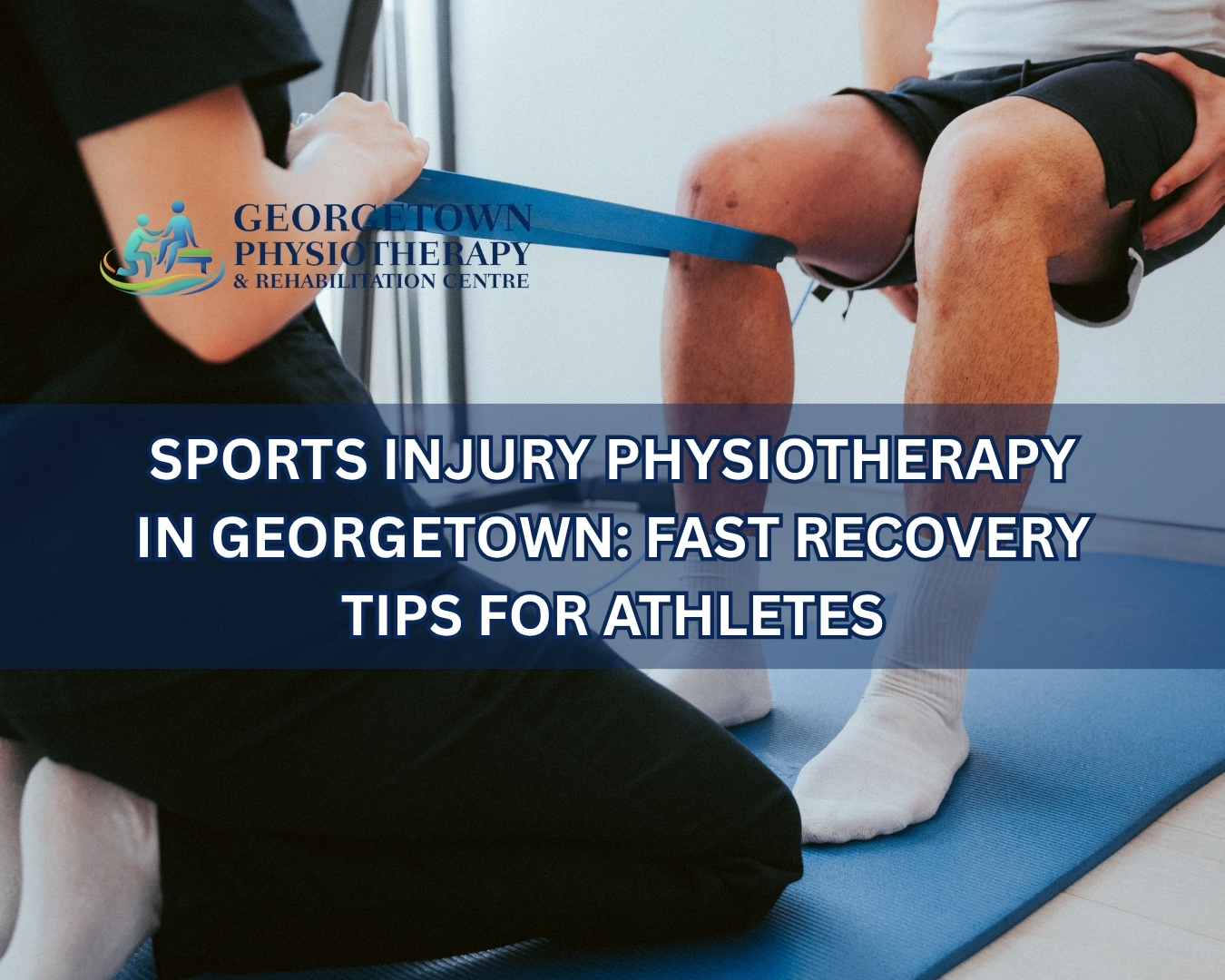
Sports Injury Physiotherapy in Georgetown: Fast Recovery Tips for Athletes
Sports and physical activity offer many health benefits, including improved fitness, strength, endurance, and mental well-being. However, athletes and active individuals also face a higher risk of injuries caused by repetitive movement, overtraining, sudden impacts, muscle strain, and improper recovery.
Whether participating in recreational sports, gym training, running, cycling, or competitive athletics, injuries can interrupt performance, limit mobility, and affect daily activities. Many athletes in Georgetown experience common conditions such as sprains, muscle strains, knee pain, shoulder injuries, tendon irritation, and lower back discomfort.
Recovering properly after a sports injury is extremely important. Returning to activity too soon or ignoring pain symptoms can increase the risk of long-term complications and repeated injuries.
Sports injury physiotherapy in Georgetown helps athletes recover safely while improving strength, flexibility, mobility, and overall performance.
At Georgetown Physiotherapy & Rehabilitation Centre, personalized rehabilitation programs are designed to help athletes reduce pain, restore movement, and safely return to sports activities.
Common Causes of Sports Injuries
Sports injuries may happen suddenly or develop gradually over time.
Common causes include:
- Overuse and repetitive movements
- Poor warm-up routines
- Muscle imbalances
- Improper training techniques
- Lack of flexibility
- Weak supporting muscles
- Sudden impact or collisions
- Inadequate recovery time
- Poor posture or movement mechanics
Athletes of all ages and activity levels may experience injuries, especially when training intensity increases without proper conditioning.
Common Sports Injuries Treated with Physiotherapy
Muscle Strains
Muscle strains occur when muscles or tendons become overstretched or torn. They commonly affect the hamstrings, calves, shoulders, and lower back.
Ligament Sprains
Sprains involve overstretching or tearing ligaments and are common in ankles, knees, and wrists.
Knee Injuries
Athletes frequently experience knee pain caused by ligament strain, overuse, or improper movement patterns.
Shoulder Injuries
Sports involving repetitive overhead motion, such as tennis, swimming, and weightlifting, may lead to shoulder strain and reduced mobility.
Tennis Elbow and Golfer’s Elbow
Repetitive arm movement may cause tendon irritation around the elbow joint.
Shin Splints
Runners and athletes involved in high-impact sports often experience pain along the shin bone due to repetitive stress.
Lower Back Pain
Sports-related back pain may result from muscle strain, poor posture, or improper lifting techniques.
Why Early Physiotherapy Is Important
Many athletes try to continue training despite pain or delay treatment until symptoms worsen. However, early rehabilitation often leads to better recovery outcomes.
Physiotherapy helps:
- Reduce inflammation
- Improve healing
- Restore mobility
- Prevent long-term complications
- Reduce reinjury risk
- Improve movement mechanics
Seeking professional treatment early may shorten recovery time and improve long-term athletic performance.
How Sports Injury Physiotherapy Helps Athletes
Sports physiotherapy focuses on both rehabilitation and injury prevention.
Treatment programs are customized based on:
- Injury type
- Pain level
- Activity demands
- Sport-specific movements
- Recovery goals
The main objective is helping athletes recover safely and return to activity without unnecessary risk.
Benefits of Sports Physiotherapy
Faster Recovery Support
Structured rehabilitation programs help athletes recover more efficiently while improving physical function.
Pain Reduction
Physiotherapy treatments help reduce inflammation, muscle tension, and joint discomfort naturally.
Improved Flexibility and Mobility
Stretching and mobility exercises help restore normal movement patterns after injuries.
Strength Building
Weak muscles may increase injury risk. Rehabilitation exercises focus on rebuilding strength safely.
Injury Prevention
Physiotherapists identify movement problems, muscle imbalances, and posture issues that may contribute to repeated injuries.
Better Athletic Performance
Improved mobility, strength, and body mechanics may support safer and more efficient athletic movement.
Physiotherapy Treatments for Sports Injuries
Treatment plans vary depending on the injury and rehabilitation goals.
Sports injury physiotherapy may include:
- Manual therapy
- Stretching exercises
- Strengthening programs
- Mobility training
- Balance exercises
- Soft tissue therapy
- Posture correction
- Functional movement rehabilitation
Each rehabilitation program is designed to support safe recovery and gradual return to sports.
Fast Recovery Tips for Athletes
Do Not Ignore Pain
Pain is often a warning sign that the body needs rest or treatment. Continuing activity while injured may worsen the condition.
Follow a Structured Rehabilitation Plan
Consistent rehabilitation is essential for proper healing and injury prevention.
Prioritize Rest and Sleep
The body repairs damaged tissues during rest and sleep. Recovery time is extremely important after sports injuries.
Stay Consistent with Exercises
Physiotherapy exercises help rebuild strength, flexibility, and stability.
Warm Up Properly
A proper warm-up prepares muscles and joints for physical activity while reducing injury risk.
Focus on Mobility and Flexibility
Tight muscles may increase stress on joints and tissues. Regular stretching improves flexibility and movement quality.
Gradually Return to Activity
Returning to sports too quickly can lead to reinjury. Rehabilitation should progress gradually and safely.
Massage Therapy for Sports Recovery
Massage therapy is commonly used in sports rehabilitation to reduce muscle tightness and improve recovery.
Benefits of massage therapy may include:
- Reduced muscle soreness
- Improved circulation
- Better flexibility
- Faster muscle recovery
- Reduced tension
Athletes often combine massage therapy with physiotherapy for better rehabilitation outcomes.
Chiropractic Care for Athletic Performance
Chiropractic care focuses on spinal alignment, mobility, and joint function.
Athletes may benefit from chiropractic care for:
- Improved mobility
- Better posture
- Reduced joint stiffness
- Improved movement mechanics
- Reduced muscle tension
Combining chiropractic care with physiotherapy may support both recovery and injury prevention.
Laser Therapy for Sports Injuries
- Reduce pain
- Improve circulation
- Support soft tissue recovery
- Accelerate healing
- Reduce inflammation
This treatment is often included in sports rehabilitation programs for muscle and joint injuries.
Preventing Future Sports Injuries
Injury prevention is just as important as recovery.
Athletes can reduce injury risk by:
- Maintaining proper technique
- Staying physically conditioned
- Improving flexibility
- Strengthening supporting muscles
- Taking adequate recovery time
- Wearing appropriate footwear
- Avoiding overtraining
Regular physiotherapy assessments may also help identify movement problems before injuries occur.
When Athletes Should Seek Professional Help
Athletes should seek professional rehabilitation support if they experience:
- Persistent pain
- Swelling
- Reduced mobility
- Muscle weakness
- Joint instability
- Pain during activity
- Repeated injuries
- Difficulty returning to sports safely
Early treatment often improves recovery and reduces the risk of chronic pain or long-term mobility limitations.
Why Georgetown Athletes Choose Georgetown Physiotherapy & Rehabilitation Centre
Many athletes and active individuals in Georgetown choose Georgetown Physiotherapy & Rehabilitation Centre for personalized sports rehabilitation and injury recovery care.
Services include:
- Sports Injury Physiotherapy
- Massage Therapy
- Chiropractic Care
- Laser Therapy
- Rehabilitation Exercises
- Mobility and Strength Programs
Treatment plans are designed to help athletes recover safely, improve movement, and return to sports with greater confidence.
Final Thoughts
Sports injuries can affect both physical performance and daily life, but proper rehabilitation can make a major difference in recovery outcomes.
Sports injury physiotherapy helps athletes reduce pain, rebuild strength, improve flexibility, and safely return to activity while reducing the risk of future injuries.
Whether recovering from a muscle strain, knee injury, shoulder problem, or repetitive stress condition, professional rehabilitation support can help athletes recover more effectively and maintain long-term physical health.
Contact Information
Georgetown Physiotherapy & Rehabilitation Centre
333 Mountainview Rd S, Unit #2, Georgetown, ON L7G 5S5, Canada
Phone: +1 905 702 6633
Email: info@georgetownphysiotherapy.ca
Website: Georgetown Physiotherapy Official Website