



 Call For Appointment
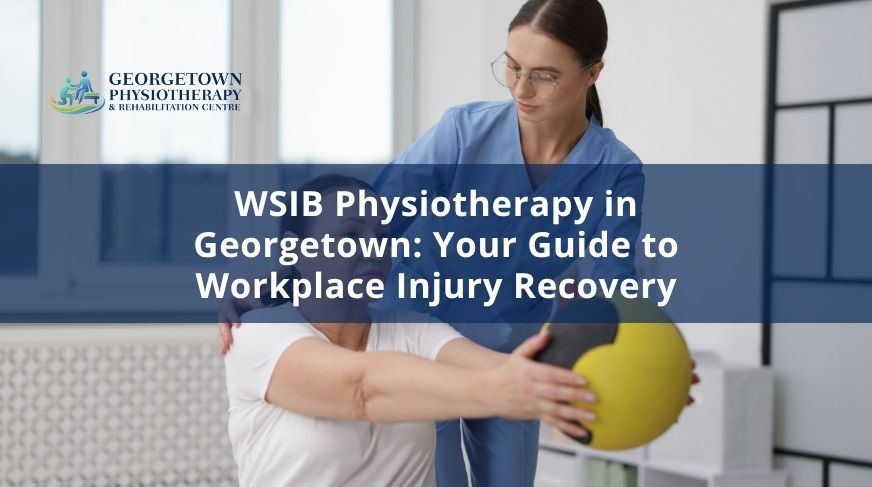
WSIB Physiotherapy in Georgetown: Your Guide to Workplace Injury Recovery
A workplace injury can affect far more than your physical health. It can interrupt your routine, limit your ability to perform your job, reduce confidence in movement, and create uncertainty about when—or how—you’ll safely return to work.
Whether you’ve injured your back while lifting, strained your shoulder performing repetitive tasks, slipped and fallen at work, or developed pain from repetitive movements, receiving the right treatment early can make a meaningful difference in your recovery.
For many musculoskeletal workplace injuries, physiotherapy is a key part of the recovery process. Through Ontario’s Workplace Safety and Insurance Board (WSIB), eligible workers may receive evidence-informed rehabilitation focused on restoring function, reducing pain, and supporting a safe return to work. The current WSIB Musculoskeletal Program of Care emphasizes early assessment, individualized treatment, exercise therapy, education, and return-to-work planning.
At Georgetown Physiotherapy & Rehabilitation Centre, we provide personalized rehabilitation for workplace injuries and help eligible patients navigate the WSIB physiotherapy process with confidence.
What Is WSIB Physiotherapy?
The Workplace Safety and Insurance Board (WSIB) is Ontario’s workplace insurance system that provides benefits and healthcare support for eligible workers who experience work-related injuries or illnesses.
WSIB physiotherapy focuses on:
- Restoring movement
- Improving strength
- Reducing pain
- Supporting functional recovery
- Helping workers safely return to suitable employment
The current WSIB Musculoskeletal Program of Care is designed to provide early, evidence-informed treatment for eligible musculoskeletal injuries and typically follows a structured rehabilitation pathway based on individual progress.
Common Workplace Injuries Treated Through Physiotherapy
Physiotherapy may help manage many work-related musculoskeletal injuries, including:
- Lower back injuries
- Neck pain
- Shoulder injuries
- Knee injuries
- Ankle sprains
- Muscle strains
- Ligament sprains
- Tendon injuries
- Repetitive strain injuries
- Slip and fall injuries
Every workplace injury is different, so treatment is always based on an individual assessment.
Why Early Physiotherapy Matters
Early rehabilitation is often associated with better functional outcomes.
Beginning treatment promptly may help:
- Improve mobility
- Reduce stiffness
- Restore strength
- Encourage healthy movement patterns
- Support confidence during recovery
- Facilitate a safe return to work
The WSIB’s Musculoskeletal Program of Care specifically emphasizes timely access to assessment and rehabilitation for eligible workers because early intervention supports functional recovery and return-to-work planning.
What Happens During Your First Physiotherapy Appointment?
Your first appointment focuses on understanding both your injury and your job requirements.
Your physiotherapist may assess:
- Medical and injury history
- Pain location and severity
- Joint mobility
- Muscle strength
- Balance
- Walking pattern
- Functional movements
- Job duties
- Workplace demands
- Recovery goals
This assessment forms the basis of your individualized rehabilitation plan.
Your Personalized Treatment Plan
Depending on your condition, treatment may include:
- Therapeutic exercise
- Manual therapy
- Functional rehabilitation
- Stretching
- Strengthening exercises
- Balance and coordination training
- Movement education
- Home exercise programme
- Laser therapy where clinically appropriate
- Shockwave therapy for selected musculoskeletal conditions
Current WSIB guidance recommends evidence-informed interventions such as education, self-management strategies, exercise therapy, manual therapy, activity modification, and appropriate adjunct therapies when clinically indicated.
Return-to-Work Planning
One of the primary goals of WSIB rehabilitation is helping workers return to safe and suitable work as early as appropriate.
Your physiotherapist may help by:
- Monitoring functional progress
- Identifying physical abilities
- Recognizing work restrictions
- Recommending activity modifications
- Supporting graduated return-to-work plans
Current WSIB guidance notes that returning to suitable work is often part of recovery and does not necessarily require complete symptom resolution before resuming appropriate duties.
Your Rights as an Injured Worker
If you experience a workplace injury in Ontario, you generally have the right to:
- Report your workplace injury
- Seek medical assessment
- Receive appropriate healthcare for an eligible claim
- Choose your initial treating healthcare professional from eligible regulated providers, including a physiotherapist, chiropractor, physician, or nurse practitioner, when treatment falls within their scope of practice
- Participate in rehabilitation appropriate to your injury
The WSIB determines eligibility and coverage based on the details of your claim.
Everyday Habits That Support Recovery
Your progress depends not only on clinic visits but also on what you do between appointments.
Helpful habits include:
- Completing your home exercise programme
- Following activity recommendations
- Staying active within advised limits
- Maintaining good sleep habits
- Eating a balanced diet
- Avoiding heavy lifting until cleared
- Reporting changes in symptoms promptly
Consistency is often one of the strongest contributors to successful rehabilitation.
Common Mistakes During Recovery
Waiting Too Long to Start Treatment
Early assessment may help identify movement limitations before they become more persistent.
Returning to Full Duties Too Soon
Feeling better does not always mean tissues have regained full strength or capacity.
Gradual progression helps reduce the likelihood of reinjury.
Avoiding All Physical Activity
For many musculoskeletal injuries, prolonged inactivity may contribute to stiffness and weakness.
Your physiotherapist will recommend safe activity levels based on your condition.
Skipping Home Exercises
Recovery continues between appointments.
Completing your prescribed exercises consistently is an important part of rehabilitation.
Frequently Asked Questions
Does WSIB cover physiotherapy?
Eligible workers with approved or pending WSIB claims may receive physiotherapy through the WSIB Musculoskeletal Program of Care, depending on their injury and claim status.
Can I choose my physiotherapist?
Ontario workers generally have the right to choose their initial treating healthcare professional, including an eligible physiotherapist whose scope of practice matches the injury.
How long does WSIB physiotherapy last?
The initial WSIB Musculoskeletal Program of Care is generally structured as an eight-week programme divided into treatment blocks, with additional treatment available if clinically justified and approved. Individual recovery timelines vary.
Will I have to stop working completely?
Not necessarily. Many workers continue working with modified or suitable duties while participating in rehabilitation, depending on the nature of their injury and their healthcare provider’s recommendations.
Can physiotherapy help prevent future workplace injuries?
Yes. Physiotherapy may help improve movement quality, strength, lifting mechanics, flexibility, and body awareness, potentially reducing the risk of future musculoskeletal injuries.
Why Choose Georgetown Physiotherapy & Rehabilitation Centre?
At Georgetown Physiotherapy & Rehabilitation Centre, we understand that recovering from a workplace injury means more than reducing pain—it means helping you regain function and safely return to work.
Our multidisciplinary team provides individualized rehabilitation programmes that may include:
- Physiotherapy
- Functional Rehabilitation
- Therapeutic Exercise
- Manual Therapy
- Massage Therapy
- Chiropractic Care
- Laser Therapy
- Shockwave Therapy
- Home Exercise Programmes
- Workplace Injury & WSIB Rehabilitation
We work with each patient to create a treatment plan tailored to their injury, job demands, recovery goals, and functional abilities.
Georgetown Physiotherapy & Rehabilitation Centre
Address: 333 Mountainview Rd S, Unit #2, Georgetown, ON L7G 5S5, Canada
Phone: +1 905-702-6633
Email: info@georgetownphysiotherapy.ca
Website: https://georgetownphysiotherapy.ca/
Begin Your Recovery With Confidence
A workplace injury doesn’t have to define your future.
With timely assessment, evidence-informed physiotherapy, and a personalized rehabilitation plan, many injured workers regain strength, improve mobility, and safely return to meaningful work.
If you’re looking for , contact & Rehabilitation Centre to schedule an assessment. Our experienced team is here to support your recovery, help you navigate the rehabilitation process, and get you back to doing the activities that matter most.