



 Call For Appointment
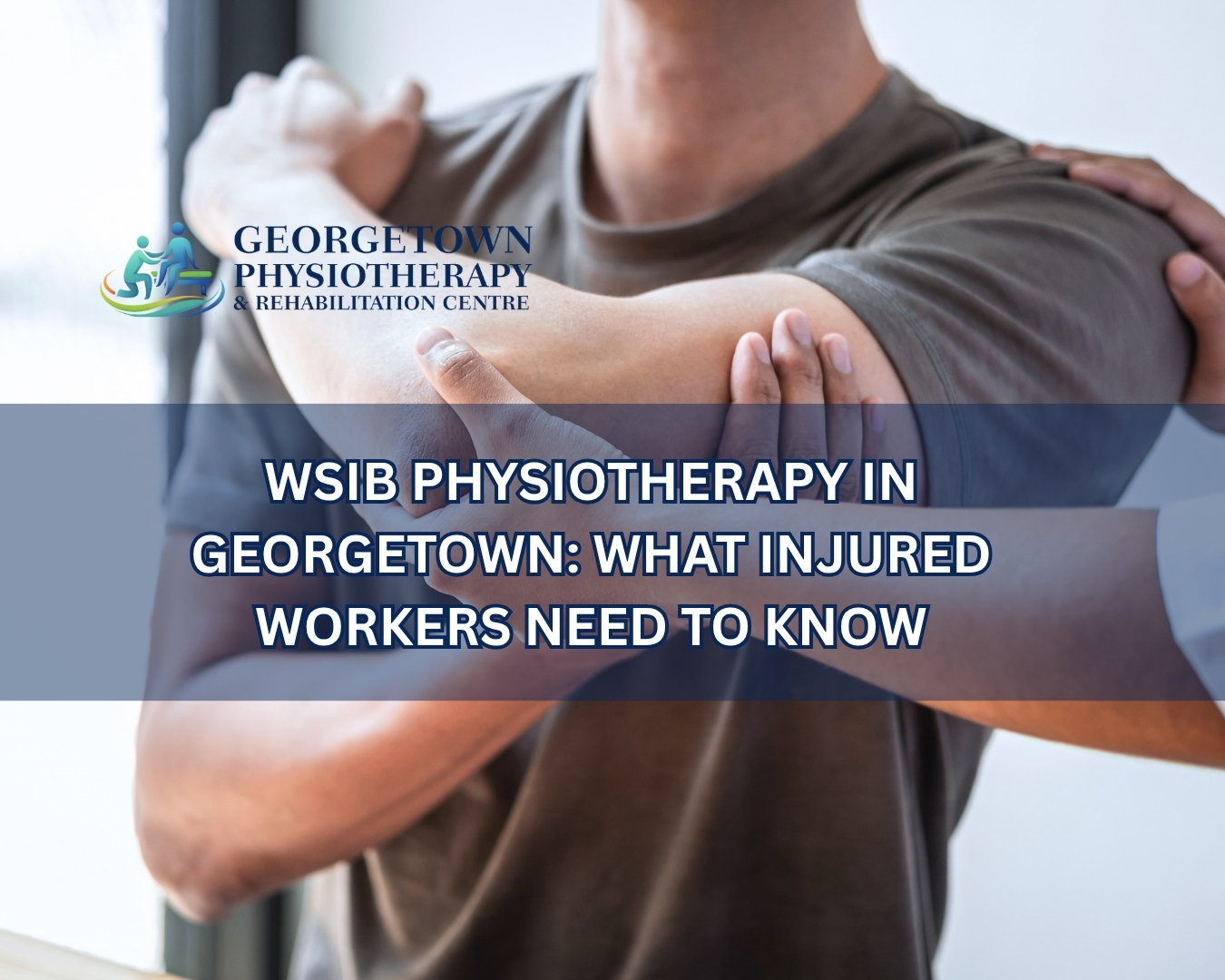
WSIB Physiotherapy in Georgetown: What Injured Workers Need to Know
A workplace injury can affect much more than your physical health. It can impact your ability to work, support your family, maintain your daily routine, and enjoy activities you once took for granted. Whether you work in construction, healthcare, manufacturing, transportation, retail, or an office environment, a workplace injury can happen unexpectedly and often requires professional rehabilitation to ensure a safe and complete recovery.
For injured workers in Ontario, the Workplace Safety and Insurance Board (WSIB) provides access to rehabilitation services designed to help individuals recover and return to work safely. One of the most important components of this recovery process is physiotherapy.
At Georgetown Physiotherapy & Rehabilitation Centre, we provide personalized WSIB physiotherapy in Georgetown to help injured workers reduce pain, restore movement, regain strength, and return to work with confidence. If you’ve recently experienced a workplace injury, understanding how WSIB physiotherapy works can help you make informed decisions about your recovery.
What Is WSIB Physiotherapy?
WSIB physiotherapy is a rehabilitation service available to eligible workers who have sustained a work-related injury or illness. The goal is to help injured workers recover physically, restore function, and safely resume their job duties.
Unlike general physiotherapy, WSIB rehabilitation programs are specifically designed to address injuries sustained in the workplace and support return-to-work outcomes.
Treatment focuses on:
- Reducing pain
- Improving mobility
- Restoring strength
- Enhancing flexibility
- Preventing long-term disability
- Supporting a safe return to work
Early treatment often plays a critical role in achieving the best recovery outcomes.
Common Workplace Injuries Treated Through WSIB Physiotherapy
Workplace injuries vary significantly depending on the type of work performed. At Georgetown Physiotherapy & Rehabilitation Centre, we help patients recover from a wide range of occupational injuries.
Lower Back Injuries
Lower back pain is one of the most common workplace injuries.
It often results from:
- Heavy lifting
- Repetitive bending
- Poor body mechanics
- Prolonged sitting
- Sudden movements
Physiotherapy helps reduce pain, improve mobility, and strengthen the muscles that support the spine.
Neck Injuries
Office workers, drivers, and physically demanding occupations often experience neck strain and stiffness.
Symptoms may include:
- Neck pain
- Reduced mobility
- Muscle tightness
- Headaches
Targeted rehabilitation can help restore comfortable movement and function.
Shoulder Injuries
Repetitive overhead work, lifting, and manual labor frequently contribute to shoulder injuries.
Common conditions include:
- Rotator cuff injuries
- Tendonitis
- Shoulder impingement
- Muscle strains
Physiotherapy helps improve strength, flexibility, and shoulder function.
Repetitive Strain Injuries
Many workplace tasks require repeated movements that place stress on muscles and tendons.
Examples include:
- Carpal tunnel syndrome
- Tennis elbow
- Tendonitis
- Wrist and hand injuries
Early intervention can help prevent these conditions from becoming chronic.
Knee and Joint Injuries
Slips, trips, falls, and physically demanding jobs can lead to injuries affecting the knees, ankles, hips, and other joints.
Rehabilitation focuses on restoring stability, strength, and mobility.
What To Do After a Workplace Injury
Knowing what steps to take after a workplace injury can help protect both your health and your WSIB claim.
Report the Injury Immediately
Inform your employer as soon as possible after the injury occurs.
Prompt reporting helps ensure appropriate documentation and access to benefits.
Seek Medical Attention
Even if symptoms seem minor, obtaining a professional assessment is important.
Early diagnosis can help identify hidden injuries and prevent complications.
Follow Recommended Treatment
Attending physiotherapy appointments and following rehabilitation recommendations can improve recovery outcomes and help prevent reinjury.
Why Early Physiotherapy Matters
One of the most common mistakes injured workers make is delaying treatment.
Some workers continue working through pain, while others assume symptoms will resolve on their own.
Unfortunately, delayed rehabilitation can contribute to:
- Increased pain
- Reduced mobility
- Longer recovery times
- Chronic pain development
- Greater risk of reinjury
Starting physiotherapy early often helps accelerate healing and improve long-term outcomes.
What Happens During a WSIB Physiotherapy Assessment?
Your rehabilitation journey begins with a comprehensive assessment.
During the initial appointment, your physiotherapist will evaluate:
- The nature of your injury
- Pain levels
- Mobility restrictions
- Strength deficits
- Functional limitations
- Job-related physical demands
Understanding both the injury and your work requirements helps create a treatment plan tailored to your specific needs.
Personalized Rehabilitation Programs
Every workplace injury is different, which is why individualized treatment is essential.
A customized rehabilitation plan may include:
Therapeutic Exercise
Exercise is one of the most effective tools for recovery.
Programs may focus on:
- Strengthening weak muscles
- Improving flexibility
- Restoring mobility
- Enhancing endurance
- Improving balance
Manual Therapy
Hands-on treatment techniques can help:
- Improve joint mobility
- Reduce stiffness
- Relieve muscle tension
- Restore movement quality
Functional Rehabilitation
Work-related injuries often require job-specific recovery strategies.
Functional rehabilitation may include movements and exercises designed to prepare workers for the physical demands of their occupation.
Additional Treatments That Support Recovery
A multidisciplinary approach often helps injured workers recover more effectively.
Laser Therapy
Laser therapy is a non-invasive treatment that may help reduce inflammation and stimulate tissue healing.
Potential benefits include:
- Reduced pain
- Faster healing
- Improved circulation
- Decreased swelling
Massage Therapy
Massage therapy can help relieve muscle tension and improve soft tissue mobility.
Many injured workers benefit from massage therapy when dealing with:
- Muscle strains
- Soft tissue injuries
- Chronic tension
- Recovery-related discomfort
Chiropractic Care
Chiropractic treatment may help improve joint mobility and spinal function in appropriate cases.
When integrated with physiotherapy, chiropractic care can support overall rehabilitation goals.
Returning to Work Safely
Returning to work is often one of the primary goals of WSIB rehabilitation.
However, returning too soon can increase the risk of reinjury.
Physiotherapists help determine when workers are physically ready to resume job duties and may provide guidance on:
- Activity progression
- Functional capacity
- Workplace modifications
- Injury prevention strategies
The goal is to support a safe and sustainable return to work.
Benefits of WSIB Physiotherapy
Injured workers often experience several advantages from participating in a structured rehabilitation program.
Faster Recovery
Targeted treatment helps address the underlying causes of pain and dysfunction.
Reduced Pain
Evidence-based therapies help improve comfort and function.
Improved Mobility
Rehabilitation restores movement patterns needed for work and daily activities.
Increased Strength
Strengthening programs prepare the body for occupational demands.
Better Long-Term Outcomes
Addressing injuries early reduces the likelihood of chronic pain and recurring problems.
Preventing Future Workplace Injuries
Recovery does not end once the pain improves.
Preventing future injuries is an important part of rehabilitation.
Physiotherapists provide education on:
Proper Body Mechanics
Learning how to lift, bend, push, and pull safely reduces injury risk.
Workplace Ergonomics
Office workers and physically demanding occupations alike can benefit from ergonomic improvements.
Exercise and Conditioning
Maintaining strength and flexibility helps support long-term physical health.
Posture Awareness
Good posture reduces stress on the spine and joints during work activities.
Why Choose Georgetown Physiotherapy & Rehabilitation Centre?
At Georgetown Physiotherapy & Rehabilitation Centre, we understand the challenges injured workers face during recovery.
Our team provides personalized care focused on:
- Pain relief
- Mobility restoration
- Strength improvement
- Functional rehabilitation
- Return-to-work readiness
- Long-term wellness
We offer comprehensive rehabilitation services including:
Every treatment plan is tailored to the individual’s injury, job demands, and recovery goals.
Start Your Recovery Today
A workplace injury can be physically, emotionally, and financially challenging, but the right rehabilitation program can make a significant difference.
WSIB physiotherapy provides injured workers with professional support, evidence-based treatment, and personalized rehabilitation strategies designed to promote a safe and successful recovery.
If you have experienced a workplace injury, seeking treatment early can help reduce pain, restore function, and improve your chances of returning to work safely and confidently.
Contact our team today to learn more about our WSIB physiotherapy services and begin your journey toward recovery.
Georgetown Physiotherapy & Rehabilitation Centre
333 Mountainview Rd S, Unit #2
Georgetown, ON L7G 5S5, Canada
Phone: +1 905-702-6633
Website: https://georgetownphysiotherapy.ca/
Email: info@georgetownphysiotherapy.ca